${latestitem Title}
${latestitem Title} |
- Redmi Note 10S Review: Perfect for Its Price
- BSNL Revival Plan Must Include These Things for the Telco
- Everything You Need to Know About NFC Technology
- Dark Mode’s Biggest Benefit Might Be Lacking Results
- JioFiber Offering Unique Benefit With 300 Mbps Plan
| Redmi Note 10S Review: Perfect for Its Price Posted: 01 Aug 2021 09:39 AM PDT 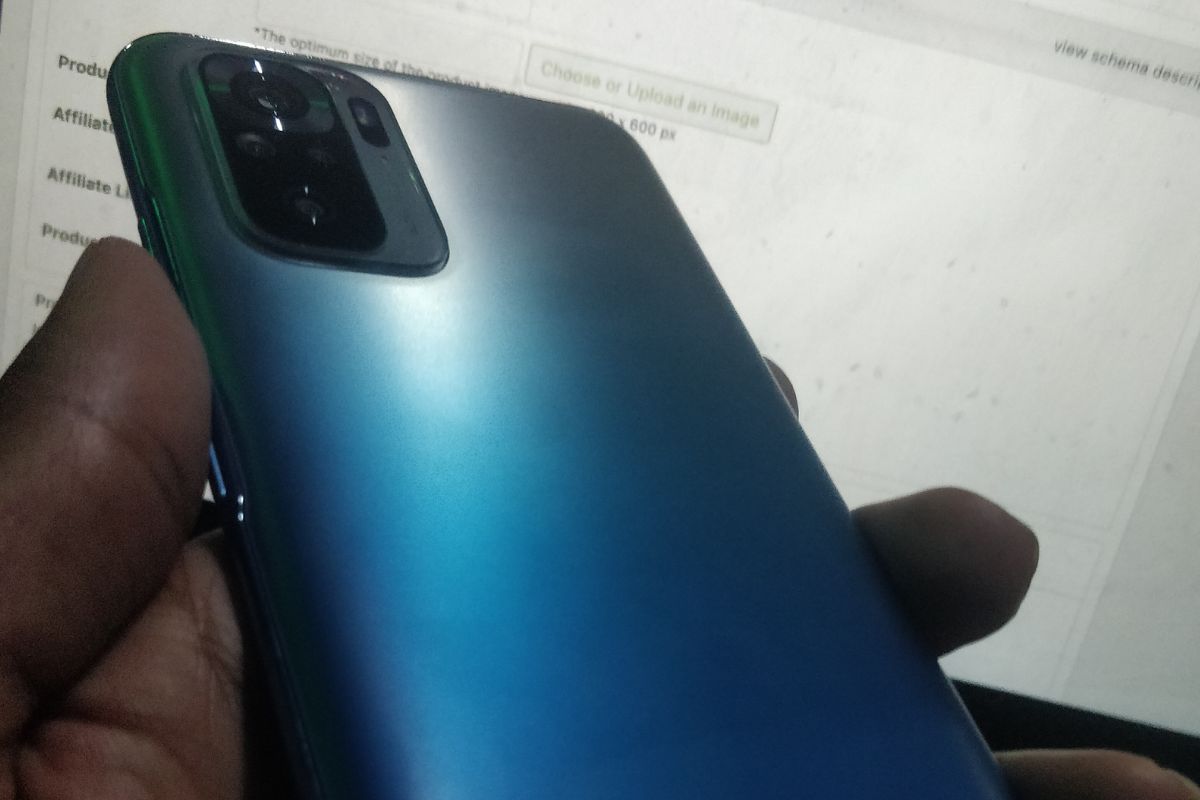 The Redmi Note 10S was kind of a shocker. I couldn't really get behind the vision for the smartphone when it came out. I would continuously look at the Redmi Note 10 and then at the Redmi Note 10S, but couldn't really find a big difference. I have been using the Redmi Note 10S for the last two months. To be honest, the Redmi Note 10S is a little different from the Redmi Note 10. I have used both and can feel the difference while operating the devices. But there are a ton of similarities as well which is obvious given Redmi Note 10S is just an upgraded Redmi Note 10. Let me tell you how the smartphone worked. The Redmi Note 10S was kind of a shocker. I couldn't really get behind the vision for the smartphone when it came out. I would continuously look at the Redmi Note 10 and then at the Redmi Note 10S, but couldn't really find a big difference. I have been using the Redmi Note 10S for the last two months. To be honest, the Redmi Note 10S is a little different from the Redmi Note 10. I have used both and can feel the difference while operating the devices. But there are a ton of similarities as well which is obvious given Redmi Note 10S is just an upgraded Redmi Note 10. Let me tell you how the smartphone worked. Redmi Note 10S Review: DesignThe Redmi Note 10S isn't very different from the Redmi Note 10. Both the smartphones have an identical body and the same camera layout. You can even get the same colour options in both. But the Deep Sea Blue colour that I received looks very fresh and pleasing to the eyes. The design of the Redmi Note 10S still looks pretty awesome. The curved edges help with holding the smartphone comfortable and the sleek design helps with feeling like you are holding a premium device in your hands. There is a 3.5mm headphone jack at the bottom just beside the USB Type-C port for enabling charging. There are dual speakers on the Redmi Note 10S; one at the top and one at the bottom. The power button and the volume rockers are in the right side of the body while the SIM tray is on the left side. The camera bump at the rear isn't too major and even though I have seen the same camera layout in the Redmi Note 10, it looks really cool. The design of the Redmi Note 10S still looks pretty awesome. The curved edges help with holding the smartphone comfortable and the sleek design helps with feeling like you are holding a premium device in your hands. There is a 3.5mm headphone jack at the bottom just beside the USB Type-C port for enabling charging. There are dual speakers on the Redmi Note 10S; one at the top and one at the bottom. The power button and the volume rockers are in the right side of the body while the SIM tray is on the left side. The camera bump at the rear isn't too major and even though I have seen the same camera layout in the Redmi Note 10, it looks really cool. Redmi Note 10S Review: DisplayThe Redmi Note 10S has a 6.43-inch AMOLED display with resolution support of 1080×2400 pixels. The bezels on the screen are fairly small and there is a small punch-hole cutout at the top center housing the selfie camera. The colours on the display are good, but they are not the most accurate. Even while playing videos on YouTube or Netflix, there were some issues with the content in the colour accuracy part. The brightness is okay meaning you won't find it too hard looking at the screen under direct sunlight. I don't have many complaints about the display except that Redmi could have added support for a higher refresh rate just to provide an extra edge to the smartphone.Redmi Note 10S Review: Performance and BatteryThe Redmi Note 10S is a very decent performer when it comes to gaming. I installed and played games such as PUBG Mobile, Battlegrounds Mobile India, and Call of Duty to see how the device is performing. To my surprise, the MediaTek Helio G95 SoC could support the workload really well. There wasn't any abnormal battery drainage issue and the device didn't even overheat. I could use the phone for longer hours and even charge it quickly with a 33W charger that the company provides inside the box of the smartphone. Further, the battery life of the smartphone is super excellent for people who are not using it heavily. I only had to charge the device once every 1.5 days and it would run comfortably. This could be due to the fact that it sports a 5,000mAh battery! On using the smartphone daily, I didn't find any problems with its performance. So in the performance and battery department, I would say that Redmi Note 10S is really good. The smartphone runs on MIUI 12.5 based on Android 12 out of the box.Redmi Note 10S Review: CameraFor the camera, I like to focus on a few things – portrait mode, macro mode, and ultra-wide-angle shots. For the unaware, the Redmi Note 10S has a quad-camera setup at the rear with a 64MP primary sensor that is paired with an 8MP wide-angle-sensor, 2MP depth sensor and a 2MP macro sensor. At the front, there is a 13MP selfie sensor with support for features such as AI beauty, AI portrait mode with bokeh and depth control. I tested the rear camera of the smartphone and found that its portrait mode is really good; even better than the normal camera mode. The image that I shot from the portrait mode of the smartphone had very accurate and to some extent enhanced colour. (The image clicked from portrait mode is right below.) The cricket ball is really a good way to test how the camera sensors of the smartphone are working. The wide-angle shooter is decent, but not the best. However, I am really impressed by the macro sensor of the Redmi Note 10S. The image that came from the macro sensor is not the most accurate in colour, but then none of the pictures that came from the normal camera mode was! Regardless, the detail in the surroundings was really good. The cricket ball is really a good way to test how the camera sensors of the smartphone are working. The wide-angle shooter is decent, but not the best. However, I am really impressed by the macro sensor of the Redmi Note 10S. The image that came from the macro sensor is not the most accurate in colour, but then none of the pictures that came from the normal camera mode was! Regardless, the detail in the surroundings was really good.   Redmi Note 10S Review: Conclusion and PriceThe Redmi Note 10S is a slight upgrade over the vanilla Redmi Note 10. The question is whether it is worth the money! There are a few things about the device that are really good, but then most of what you can get from the Redmi Note 10S, you can get with the Redmi Note 10 as well. Talking about the display of the device, it is something that I found I can live with. It is bright enough even when I am outdoors and the speaker performance is really good given there is one at the top and one at the bottom. The smartphone can also handle heavy multitasking and gaming without overheating much which is a big positive at this price range. Then the camera is just what you can expect from a Redmi phone at this price point. Coming to the price of the smartphone, it is available in two variants in India. The base variant with 6GB RAM and 64GB internal memory is priced at Rs 14,999 and the superior variant with 6GB+128GB will cost Rs 15,999. If you are thinking of buying this device, I would say there are many better ones available at this price range. But if you are a Redmi fan, then you won't be disappointed by the Redmi Note 10S.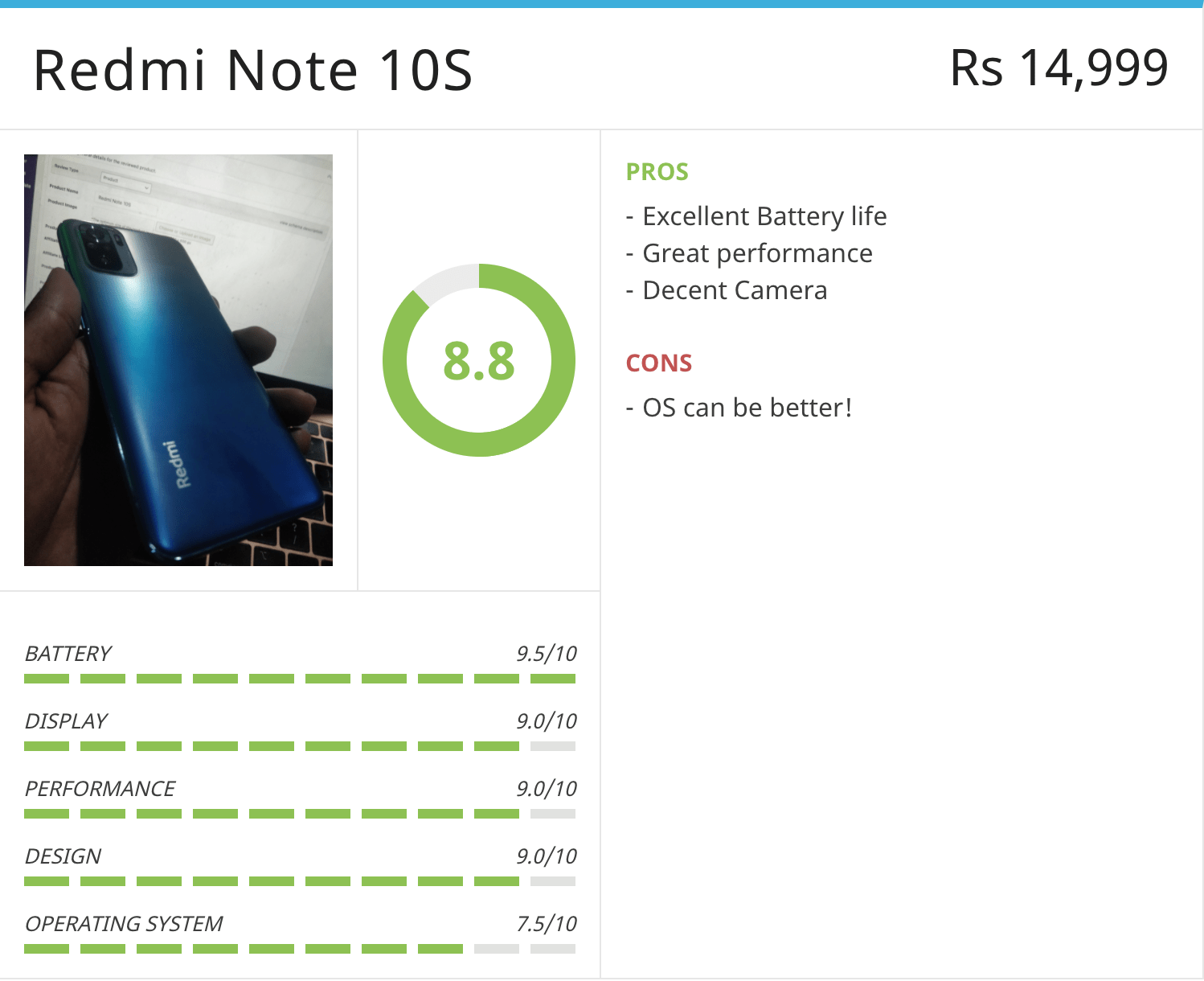 |
| BSNL Revival Plan Must Include These Things for the Telco Posted: 01 Aug 2021 05:15 AM PDT  Bharat Sanchar Nigam Limited (BSNL) has been one telecom company that has been in a dilemma for the last few years. While out of all the telecom companies present in India, it is also one of the most resilient ones because of the government's support behind it. The tag of being a government-owned PSU has kept the company living and breathing in the tough terrains of the Indian telecom industry. However, the situation for BSNL is only turning grim as the days pass by. Month on month, seeing the Telecom Regulatory Authority of India (TRAI) reports on the subscriber count of various telecom companies, we are seeing that BSNL is having a massive leakage of subscribers from its base. This means that customers are leaving the BSNL network fast and this is something that needs to be fixed. Bharat Sanchar Nigam Limited (BSNL) has been one telecom company that has been in a dilemma for the last few years. While out of all the telecom companies present in India, it is also one of the most resilient ones because of the government's support behind it. The tag of being a government-owned PSU has kept the company living and breathing in the tough terrains of the Indian telecom industry. However, the situation for BSNL is only turning grim as the days pass by. Month on month, seeing the Telecom Regulatory Authority of India (TRAI) reports on the subscriber count of various telecom companies, we are seeing that BSNL is having a massive leakage of subscribers from its base. This means that customers are leaving the BSNL network fast and this is something that needs to be fixed. BSNL 4G Still a Pain-pointIf the news headlines are to be believed, then it seems BSNL will be meeting an optimistic end very soon courtesy of the revival plan which includes the work of IIM-A. On these lines, BSNL's debt is likely to be handled with care from now on. The plan will also likely include methods by which BSNL would be able to stop its churn at such an aggressive rate, and if not stop, at least slow it down to a manageable extent. When we think of BSNL right now, the main pain point for the subscribers is the lack of a 4G network, but while saying such a thing seems to be a big roadblock, we should be questioning whether or not it is the case in its entirety. In a lot of places, BSNL has already started testing the 4G networks, and in these places, the subscribers are already being handed out 4G SIMs. The review of the customers of BSNL has also been positive given how good the speed and network have been. Besides, because of the fears of subscriber churn, the BSNL prepaid plans have become more attractive offering more data and longer validity, thus making the lives of subscribers easier. For a lot of people, being a BSNL subscriber is really being a sweet ride.BSNL 3G is Not So Bad After allHowever, even on a 3G network what a lot of people miss out on while judging BSNL is the quantum of download and upload speeds that BSNL is capable of offering. As per some of the consumers, the BSNL 3G network, although is not comparable with 4G download speeds, is still good enough for a lot of work. But, it is the lack of proper marketing, missing information about plans, the availability of 4G network and 3G network in various places which hurts the subscribers more. With a vacuum created from the side of the company itself, the subscribers have nothing to believe but the whispers on the wind which come in the form of various marketing techniques from the private telcos. Hence, it's imperative that to ensure the revival of BSNL in the truest sense, the telecom operator will have to salvage a plan in which its marketing is amped up and the consumers are able to get the latest information on their fingertips about BSNL's plans and services. |
| Everything You Need to Know About NFC Technology Posted: 01 Aug 2021 01:03 AM PDT 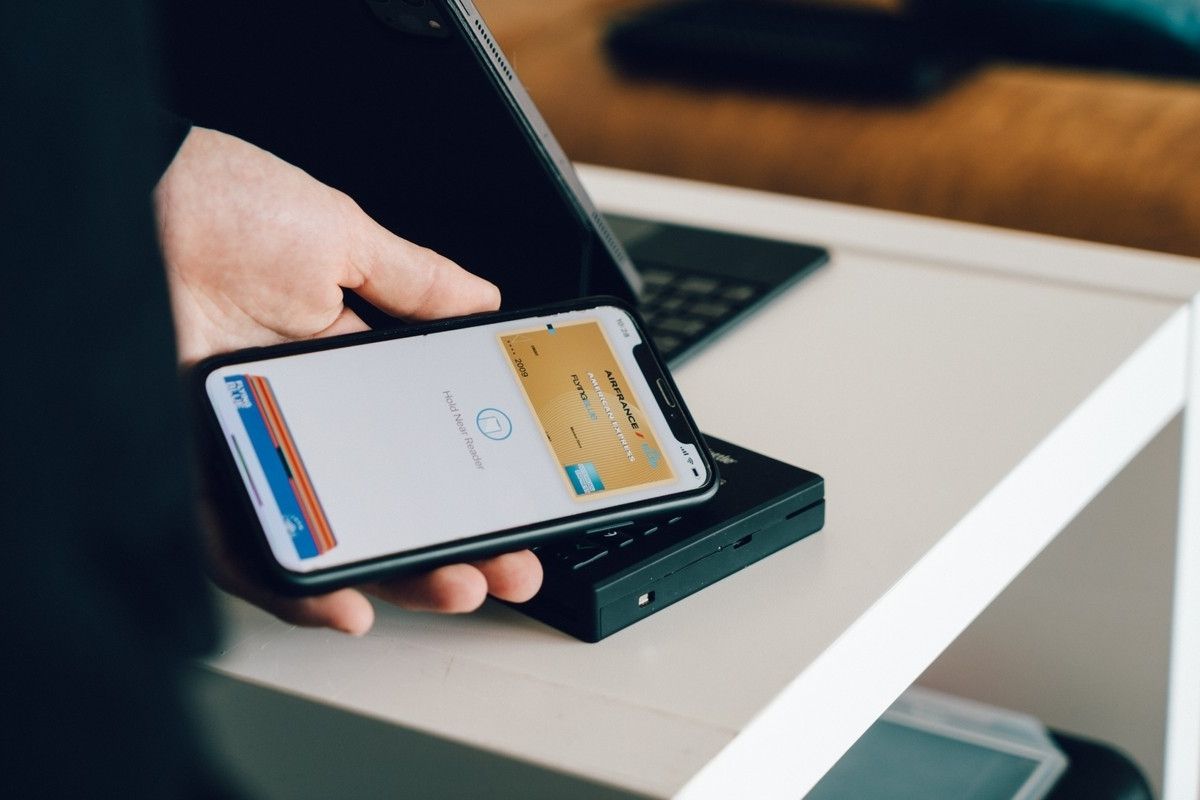 Anyone who is into technology has undoubtedly heard about NFC, which as a simple description is a mainstream wireless technology that took off owing to the increase in online payment systems that include the likes of Google Pay and Samsung Pay, both of which have tons of users on a worldwide basis. NFC has long been a feature on handsets, with devices from 2012 featuring the same, and, in today’s age, most mid-range and flagship devices come with support for the same. But, even though you have heard of the term NFC, have you ever wondered what it exactly is and how it works? Given its increased importance, it makes sense to learn more about this bit of technology, is it not? Anyone who is into technology has undoubtedly heard about NFC, which as a simple description is a mainstream wireless technology that took off owing to the increase in online payment systems that include the likes of Google Pay and Samsung Pay, both of which have tons of users on a worldwide basis. NFC has long been a feature on handsets, with devices from 2012 featuring the same, and, in today’s age, most mid-range and flagship devices come with support for the same. But, even though you have heard of the term NFC, have you ever wondered what it exactly is and how it works? Given its increased importance, it makes sense to learn more about this bit of technology, is it not? What is NFC? Let’s break down that name, NFC stands for Near Field Communication and, as is painfully evident via the naming scheme, the technology allows for short-range communication between compatible handsets or devices. In order to make use of this, there is a need for one transmitting device and another device that should receive the signal from the first. There are multiple devices in existence that can make use of the NFC standard, for those of you wondering. These devices are segregated into Passive and Active NFC devices, with the former consisting of tags or small transistors that can send information to other NFC devices without having to make use of any sort of power source, but, they do come with a drawback, which is that they do not process any information that is sent from other sources. On the other hand, Active devices are capable of sending and receiving data and can communicate with each other and passive devices, with the most common active devices being smartphones themselves. Some other examples include touch payment bases and public transport readers used in areas such as the train station and metros. Let’s break down that name, NFC stands for Near Field Communication and, as is painfully evident via the naming scheme, the technology allows for short-range communication between compatible handsets or devices. In order to make use of this, there is a need for one transmitting device and another device that should receive the signal from the first. There are multiple devices in existence that can make use of the NFC standard, for those of you wondering. These devices are segregated into Passive and Active NFC devices, with the former consisting of tags or small transistors that can send information to other NFC devices without having to make use of any sort of power source, but, they do come with a drawback, which is that they do not process any information that is sent from other sources. On the other hand, Active devices are capable of sending and receiving data and can communicate with each other and passive devices, with the most common active devices being smartphones themselves. Some other examples include touch payment bases and public transport readers used in areas such as the train station and metros. How Does NFC Exactly Work?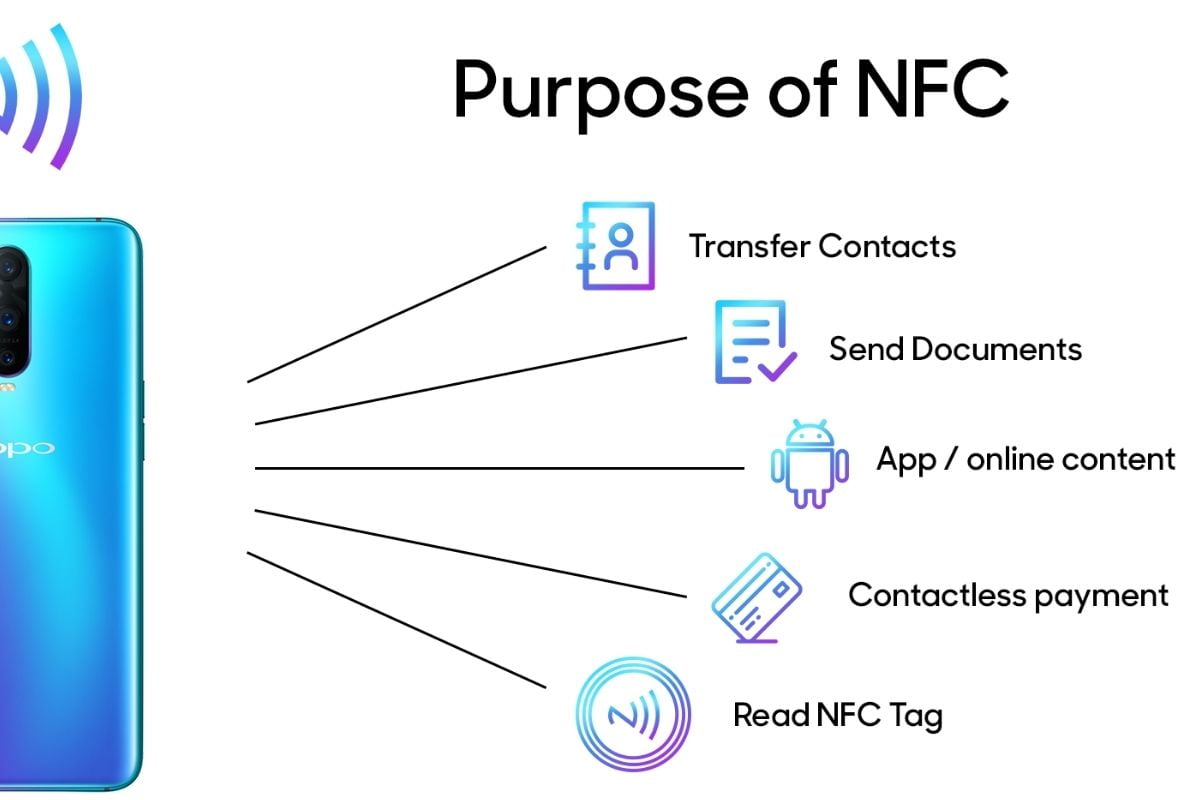 Now that you know what NFC exactly is, how does it work? Well, to start off, much like Wi-Fi and Bluetooth, NFC works by sending information over radio waves, as it is another standard for wireless data transitions. What this means is that the devices must be of certain specifications so as to communicate with each other properly. The key tech used in NFC is dependent on the dated RFID or Radio-frequency-identification idea, which made use of electromagnetic induction so as to allow for transmission. Do note that NFC technology fails to charge smartphones as some might think, but Qi wireless charging, a standard of wireless charging makes use of the same principle. Electromagnetic fields can be employed for the transit of data or induction of electrical currents in a receiving device. Passive NFC devices are also able to draw power from fields left by active devices, but the range itself is pretty short. In order to determine what kind of information is to exchange between different devices, NFC currently offers three types of operations, the key of which is the peer-to-peer model. This basically lets two NFC-enabled devices exchange multiple bits of information between each other. In this mode, both devices can switch between active whilst sending data and passive when receiving data. On the other hand, Read/write mode, uses one-way data transmission. The active device, which is most likely your smartphone, links up with another device to read information from it. NFC tags usually opt for this model. The final model is card emulation, wherein NFC devices can function as contactless credit cards and make payments without having to enter data each time. Now that you know what NFC exactly is, how does it work? Well, to start off, much like Wi-Fi and Bluetooth, NFC works by sending information over radio waves, as it is another standard for wireless data transitions. What this means is that the devices must be of certain specifications so as to communicate with each other properly. The key tech used in NFC is dependent on the dated RFID or Radio-frequency-identification idea, which made use of electromagnetic induction so as to allow for transmission. Do note that NFC technology fails to charge smartphones as some might think, but Qi wireless charging, a standard of wireless charging makes use of the same principle. Electromagnetic fields can be employed for the transit of data or induction of electrical currents in a receiving device. Passive NFC devices are also able to draw power from fields left by active devices, but the range itself is pretty short. In order to determine what kind of information is to exchange between different devices, NFC currently offers three types of operations, the key of which is the peer-to-peer model. This basically lets two NFC-enabled devices exchange multiple bits of information between each other. In this mode, both devices can switch between active whilst sending data and passive when receiving data. On the other hand, Read/write mode, uses one-way data transmission. The active device, which is most likely your smartphone, links up with another device to read information from it. NFC tags usually opt for this model. The final model is card emulation, wherein NFC devices can function as contactless credit cards and make payments without having to enter data each time. |
| Dark Mode’s Biggest Benefit Might Be Lacking Results Posted: 31 Jul 2021 09:29 PM PDT  The hype around Dark mode has been quite high, with most users touting it to be the best feature on smartphones, especially on devices that feature OLED screens, since the feature could supposedly allow for better power savings in contrast to the regular light mode. This is due to the fact that OLED Displays are capable of turning off their individual pixels to display black backgrounds or colours, leading to overall power savings. But, it seems that the difference might not be as high as most make it to be, as a new study via Purdue University has showcased the impact of dark mode on the battery life and, spoiler alert, it might not make as big of a difference on the overall battery life as one would hope for it to do. The hype around Dark mode has been quite high, with most users touting it to be the best feature on smartphones, especially on devices that feature OLED screens, since the feature could supposedly allow for better power savings in contrast to the regular light mode. This is due to the fact that OLED Displays are capable of turning off their individual pixels to display black backgrounds or colours, leading to overall power savings. But, it seems that the difference might not be as high as most make it to be, as a new study via Purdue University has showcased the impact of dark mode on the battery life and, spoiler alert, it might not make as big of a difference on the overall battery life as one would hope for it to do. Does Dark Mode Provide Major Gains In Battery Life? Before we begin the exact details of the research, it is worth noting the applications that were in use during the test, which were Google Calendar, Google Maps, Google Phone, Youtube, Calculator. All of these were tested via a Pre-Fram OLED Power Profiler or PFOP tool. The devices that were used in the test were the Google Pixel 2, Pixel 4, Pixel 5 and the Motorola Z3, all of which were tested on the basis of the effects of dark mode per minute on the applications in use. The results were quite interesting, as the team found out at the start that most consumers seemed to make use of auto-brightness settings that allow for a 30-40% brightness level in indoor situations. The researchers noted that switching from light mode at 30-50% of brightness levels to dark mode allows for around 3-9% of the power difference, depending on the devices on offer. What truly surprised them however was the significant difference in power saving conditions when dark mode was applied in brighter conditions, with the exact numbers being a 39-47% increase in battery saving at 100% brightness with dark mode on. This is truly an amazing number and one that highlights why dark mode can actually play a role in the overall battery savings. Furthermore, the study seemed to state that Android‘s battery consumption functionality did not consider dark mode when calculating an app's power team sausage so the team developed a tool, called Android Battery+, which can take dark mode into account. Purdue's researchers added that they planned to open-source the PFOP tool and add the Android Battery+ feature in the Android Open Source Project. Before we begin the exact details of the research, it is worth noting the applications that were in use during the test, which were Google Calendar, Google Maps, Google Phone, Youtube, Calculator. All of these were tested via a Pre-Fram OLED Power Profiler or PFOP tool. The devices that were used in the test were the Google Pixel 2, Pixel 4, Pixel 5 and the Motorola Z3, all of which were tested on the basis of the effects of dark mode per minute on the applications in use. The results were quite interesting, as the team found out at the start that most consumers seemed to make use of auto-brightness settings that allow for a 30-40% brightness level in indoor situations. The researchers noted that switching from light mode at 30-50% of brightness levels to dark mode allows for around 3-9% of the power difference, depending on the devices on offer. What truly surprised them however was the significant difference in power saving conditions when dark mode was applied in brighter conditions, with the exact numbers being a 39-47% increase in battery saving at 100% brightness with dark mode on. This is truly an amazing number and one that highlights why dark mode can actually play a role in the overall battery savings. Furthermore, the study seemed to state that Android‘s battery consumption functionality did not consider dark mode when calculating an app's power team sausage so the team developed a tool, called Android Battery+, which can take dark mode into account. Purdue's researchers added that they planned to open-source the PFOP tool and add the Android Battery+ feature in the Android Open Source Project. |
| JioFiber Offering Unique Benefit With 300 Mbps Plan Posted: 31 Jul 2021 06:34 PM PDT  JioFiber is offering a unique benefit to the users going for a 300 Mbps broadband plan. This benefit is not offered by any other internet service provider (ISP) in India with such a plan. The benefit that I am referring to is an over-the-top (OTT) benefit of Netflix. Yes, every other major ISP offers OTT benefits with their 300 Mbps plan, but no one offers Netflix. Moreover, the number of OTT benefits that the users get with the 300 Mbps plan from JioFiber is unmatched by any other internet service provider in the country. Let's take a look at all that is unique with the 300 Mbps broadband plan from JioFiber. JioFiber is offering a unique benefit to the users going for a 300 Mbps broadband plan. This benefit is not offered by any other internet service provider (ISP) in India with such a plan. The benefit that I am referring to is an over-the-top (OTT) benefit of Netflix. Yes, every other major ISP offers OTT benefits with their 300 Mbps plan, but no one offers Netflix. Moreover, the number of OTT benefits that the users get with the 300 Mbps plan from JioFiber is unmatched by any other internet service provider in the country. Let's take a look at all that is unique with the 300 Mbps broadband plan from JioFiber. 300 Mbps Broadband Plan from JioFiber Offers These OTT BenefitsUsers get a total of 16 OTT benefits with the 300 Mbps plan from JioFiber. Note that users can also get a free Set-Top Box (STB) from the company and utilise all these OTT benefits. The 300 Mbps broadband plan of JioFiber offers the following OTT benefits: Netflix (Basic), Amazon Prime Video, Disney+ Hotstar VIP, SonyLIV, Voot Select, Voot Kids, ZEE5 Premium, Hoichoi, SunNXT, LionsgatePlay, Discovery+, ShemarooMe, JioCinema, Eros Now, ALTBalaji, and JioSaavn. There's a fair usage policy (FUP) limit of 3,300GB of data applicable on the amount of data that a user can consume in a month. The plan comes for a monthly cost of Rs 1,499. With this plan, users are also entitled to receive a free fixed-line connection with unlimited voice calling benefit. In comparison, JioFiber's top competitors don't offer half as many OTT benefits to the users. Further, Jio's 300 Mbps plan is one of the cheapest in the country given the amount of benefits that it comes with. There's a BSNL Bharat Fibre 300 Mbps plan that offers 4,000GB of data to the users along with an OTT benefit of Disney+ Hotstar Premium. But apart from this, there's no other operator who offers a 'unique' OTT benefit per se that Reliance Jio doesn't. One of the best things about Jio's 300 Mbps plan is the free STB. Further, if users purchase the plan for the long term, they will also get extra benefits from the company. JioFiber even removes all the installation charges when users go for a long-term broadband plan. The monthly cost of the plan is Rs 1,499 but it doesn't include the 18% Goods and Service Tax (GST). Overall, JioFiber's 300 Mbps plan with 16 OTT benefits which includes Netflix is one of the best in India given the price it comes for. |
| You are subscribed to email updates from TelecomTalk. To stop receiving these emails, you may unsubscribe now. | Email delivery powered by Google |
| Google, 1600 Amphitheatre Parkway, Mountain View, CA 94043, United States | |


Comments
Post a Comment