${latestitem Title}
${latestitem Title} |
- Airtel, Vi and Jio Again Get Vocal About 5Gi
- Airtel CEO Downplays the JioPhone Next Offer
- Airtel Expanding Broadband Network to 2000 Towns, 35 Million Home Passes
- TRAI Looking to Understand Tariff Issues During Natural Calamities
- Starlink Subsidising Costs for Indian Users Heavily
- Bharti Airtel to Aim for Rs 300 ARPU in the Long-Term
| Airtel, Vi and Jio Again Get Vocal About 5Gi Posted: 04 Nov 2021 11:43 AM PDT  All of the private telecom operators in India, including Reliance Jio, Vodafone Idea, and Bharti Airtel, have said that 5Gi should be made a part of 3GPP. The telcos want the Indian government to not lose focus from 3GPP because it would ensure economies of scale. According to an ET Telecom report, the Cellular Operators Association of India (COAI), the representative body of the private Indian Telecom operators, said that 5Gi should be a part of the global or 3GPP 5G standard. This will ensure that the telcos can be one of the early adopters of the technology and would also keep the benefits of economies of scale in the table. All of the private telecom operators in India, including Reliance Jio, Vodafone Idea, and Bharti Airtel, have said that 5Gi should be made a part of 3GPP. The telcos want the Indian government to not lose focus from 3GPP because it would ensure economies of scale. According to an ET Telecom report, the Cellular Operators Association of India (COAI), the representative body of the private Indian Telecom operators, said that 5Gi should be a part of the global or 3GPP 5G standard. This will ensure that the telcos can be one of the early adopters of the technology and would also keep the benefits of economies of scale in the table. No Devices in Present That Support 5GiLt Gen Dr SP Kochhar, Director General of COAI, said that even if the telcos wanted to test the 5Gi standard during their ongoing trials, they can't do so since there aren't any devices present in the country which support the 5Gi standard. Kochhar said that 5Gi is yet to be developed, validated, and fully tested. This means that the vendors would have to go against the principle of economies of scale if they want to roll out devices that come with 5Gi support. At present, the vendors are focused on manufacturing products that support the 5G standard of 3GPP. Kochhar further said that developing chipsets for support 5Gi would take another one to three years. On top of that, the cost of developing it and manufacturing it would be too high because these chipsets will only be relevant in the Indian market. Bharti Airtel has already shared its 5G test results in partnership with Ericsson, which was done with the help of 3GPP compliant FWA devices. According to COAI, the benefit of 5Gi would be only there when it is interoperable, implementable, and has benefits for the entire Indian 5G networks. Thus the industry body has recommended that the components of 5Gi be made a part of 3GPP. The harmonisation would pay off well for India in the long run if it decides to go ahead with the 5Gi standard. |
| Airtel CEO Downplays the JioPhone Next Offer Posted: 04 Nov 2021 05:31 AM PDT  Gopal Vittal, CEO of Bharti Airtel, isn't sure about the JioPhone Next offer from Reliance Jio. In the recent earnings call, Vittal indirectly said that the new 4G phone offer might not attract feature phone users in India. According to an ET Telecom, the Airtel CEO didn't directly name the device, but the device he was talking about was the JioPhone Next for sure. This is because of the price that Reliance Jio has decided to launch the device for. For the unaware, the JioPhone Next has launched for a price of Rs 6,499 in India. It will be available for users from the festive season of Diwali. Vittal said that Airtel's 4G smartphone offer is seeing high interest from the users. Airtel is offering a Rs 6,000 cashback to the users when they purchase a device for up to Rs 12,000. If you want more details about the cashback offer, please click here. Gopal Vittal, CEO of Bharti Airtel, isn't sure about the JioPhone Next offer from Reliance Jio. In the recent earnings call, Vittal indirectly said that the new 4G phone offer might not attract feature phone users in India. According to an ET Telecom, the Airtel CEO didn't directly name the device, but the device he was talking about was the JioPhone Next for sure. This is because of the price that Reliance Jio has decided to launch the device for. For the unaware, the JioPhone Next has launched for a price of Rs 6,499 in India. It will be available for users from the festive season of Diwali. Vittal said that Airtel's 4G smartphone offer is seeing high interest from the users. Airtel is offering a Rs 6,000 cashback to the users when they purchase a device for up to Rs 12,000. If you want more details about the cashback offer, please click here. Analysts Have Called JioPhone Next Price Not DisruptiveAnalysts have said that the JioPhone Next pricing is not disruptive. There might be a reason why the JioPhone Next is priced too high. The price of the display panels and the chipsets have risen quite a bit due to snags in the supply chain. Regardless of the reasons, the JioPhone Next isn't going to attract many feature phone users in the country. Users might just go for another entry-level smartphone from a Chinese company. One thing that Reliance Jio will be counting on is to make the Android experience seamless for the users. If the software experience isn't good, it would mean that Jio has failed to do what it was trying to do. The device is yet to make it to the market, and even we haven't reviewed it yet. So it is still too early to say whether the device is not worth the money. It might end up being one of the best entry-level smartphones from an Indian company. |
| Airtel Expanding Broadband Network to 2000 Towns, 35 Million Home Passes Posted: 04 Nov 2021 02:10 AM PDT  Bharti Airtel is expanding its broadband network to 2,000 towns across India with 35 million home passes. The telco is planning to do this in the next three years. In the recent earnings call, Bharti Airtel CEO, Gopal Vittal said Fiber-to-the-Home (FTTH) is a very large opportunity for the company. Vittal shared that Airtel is continuing to scale up investments so that it can take its broadband network to over 2,000 towns across the country with 35 million home passes. For the unaware, home passes here mean the area which is covered with the company's fiber for services. These homes might or might not have Airtel's broadband connection, but they can opt for purchasing one anytime they wish to. From the words of Vittal, it can be assumed that Airtel will have the capacity to service 35 million homes across India with fiber broadband connection in the next three years. Bharti Airtel is expanding its broadband network to 2,000 towns across India with 35 million home passes. The telco is planning to do this in the next three years. In the recent earnings call, Bharti Airtel CEO, Gopal Vittal said Fiber-to-the-Home (FTTH) is a very large opportunity for the company. Vittal shared that Airtel is continuing to scale up investments so that it can take its broadband network to over 2,000 towns across the country with 35 million home passes. For the unaware, home passes here mean the area which is covered with the company's fiber for services. These homes might or might not have Airtel's broadband connection, but they can opt for purchasing one anytime they wish to. From the words of Vittal, it can be assumed that Airtel will have the capacity to service 35 million homes across India with fiber broadband connection in the next three years. Airtel Currently Providing Fiber Broadband Services in 436 TownsBharti Airtel is currently providing fiber broadband services in 436 towns of the country. Airtel's total broadband subscriber base stands at 3.8 million now. Vittal noted that Airtel had seen a strong customer growth of close to half a million in the September quarter which is the highest level of net additions the company has ever made in a single quarter. During the September quarter, Bharti Airtel added over 1.1 million home passes. Airtel offers its FTTH service under the 'Airtel Xstream Fiber' brand. Users can choose from broadband plans ranging between 40 Mbps to 1 Gbps. All of the plans come with unlimited data (3.3TB) and also offer Airtel Thanks benefits. Some of the higher-end broadband plans also offer customers over-the-top (OTT) benefits including Disney+ Hotstar, Amazon Prime Video, Airtel Xstream, Wynk Music, and more. The demand for FTTH service is only going to grow from here for the next few years. Airtel can benefit from the increasing demand if the telco can keep on investing and expanding its infrastructure. |
| TRAI Looking to Understand Tariff Issues During Natural Calamities Posted: 03 Nov 2021 11:15 PM PDT  On Wednesday, the telecom regulator TRAI floated a consultation paper in order to discuss the tariff-related issues for cell broadcast and SMS alerts that are disseminated via the Common Altering Protocol (CAP) platform at times of both disasters and non-disasters. TRAI (Telecom Regulatory Authority of India) explained that there are specific occasions when the government might like to send alerts to the public free of cost to warn of a potential disaster. The focus on the same is to promote the use of the Common Alerting Protocol standard to issue public alerts and push hazard notifications at times of emergency situations and disasters. The cell broadband platform is used to send messages to several users in a specific geographical area simultaneously. The broadcast range can vary from a single cell to the overall network. Currently, cell broadcast has been included in the existing 3G, 2G, 3GPP, and LTE standards. On Wednesday, the telecom regulator TRAI floated a consultation paper in order to discuss the tariff-related issues for cell broadcast and SMS alerts that are disseminated via the Common Altering Protocol (CAP) platform at times of both disasters and non-disasters. TRAI (Telecom Regulatory Authority of India) explained that there are specific occasions when the government might like to send alerts to the public free of cost to warn of a potential disaster. The focus on the same is to promote the use of the Common Alerting Protocol standard to issue public alerts and push hazard notifications at times of emergency situations and disasters. The cell broadband platform is used to send messages to several users in a specific geographical area simultaneously. The broadcast range can vary from a single cell to the overall network. Currently, cell broadcast has been included in the existing 3G, 2G, 3GPP, and LTE standards. TRAI Consults On Tariff Issues During DisastersWhile highlighting the relevance of the consultation paper, TRAI said that the government might want to warn the public at times of disasters or occasions where the public has to be informed of events such as holding vaccines, relief, or medical camps or certain laws and order related scenarios, etc. Currently, the department of telecommunications (DoT) lets SMS and cell broadcast messages be sent for free of cost for a specific period and for events wherein a specific request for free messages comes from certain nodal authorities. Furthermore, TRAI stated that the purpose of the latest consultation paper to discuss the tariff-related issues for cell broadcast and SMS alerts disseminated via the CAP platform during disasters and specific events was to seek the views of stakeholders regarding the same. Also, it aims to understand the technical aspects that would have an impact on the price of the service. The consultation paper added that DoT has required TRAI to provide tariffs for the cell broadcast and SMS alerts or messages that are to be disseminated by the various telecom operators via the CAP platform during the situations of both non-disasters and disasters. Furthermore, TRAI has invited written comments on the same by December 1 and counter-comments by December 15, 2021. |
| Starlink Subsidising Costs for Indian Users Heavily Posted: 03 Nov 2021 08:41 PM PDT 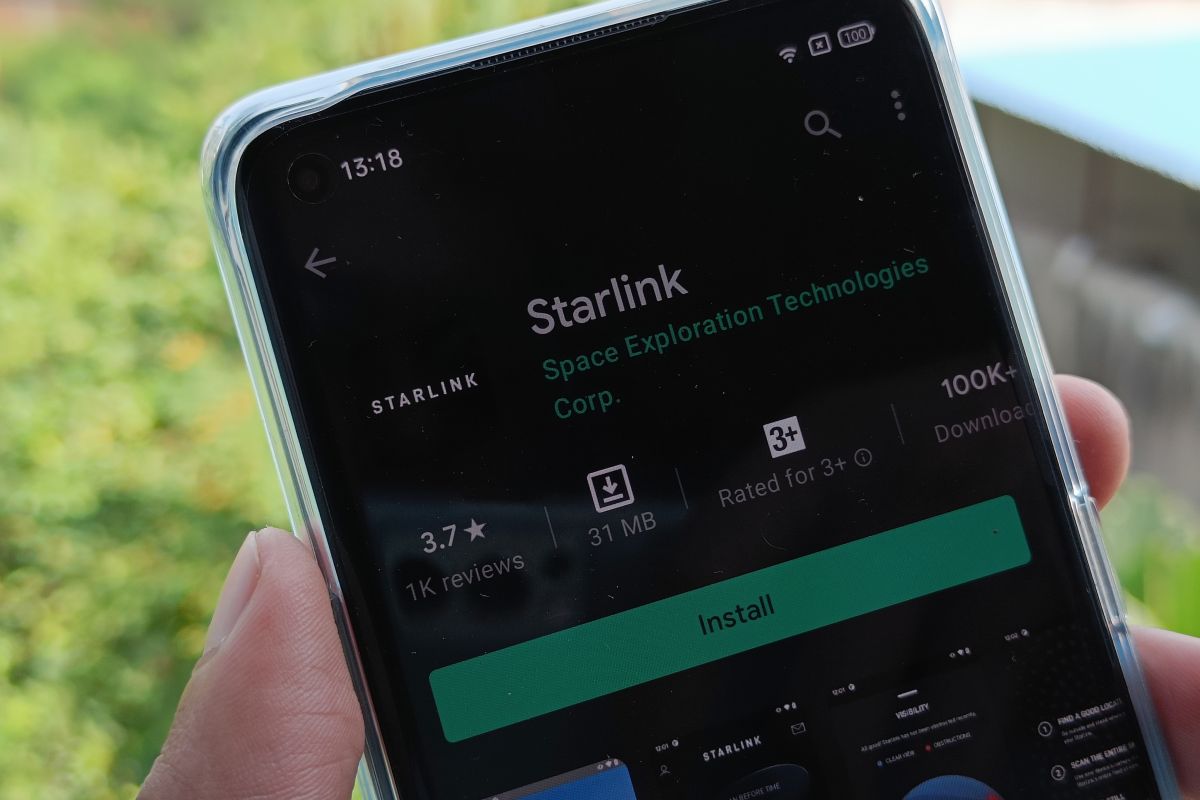 Starlink, a SpaceX owned satellite broadband service provider, is subsidising costs for the Indian users heavily. The service is quite expensive, and if the cost was passed on to the customers, it would become unaffordable. Sanjay Bhargava, India head for Starlink, said that the benefits offered by the connection must outstrip the costs involved. According to an ET Telecom report, Bhargava said Starlink only wants to focus on areas that are hardest to reach by the terrestrial network service providers. Bhargava believes that Starlink can change the game in India from both pricing to access. Starlink, a SpaceX owned satellite broadband service provider, is subsidising costs for the Indian users heavily. The service is quite expensive, and if the cost was passed on to the customers, it would become unaffordable. Sanjay Bhargava, India head for Starlink, said that the benefits offered by the connection must outstrip the costs involved. According to an ET Telecom report, Bhargava said Starlink only wants to focus on areas that are hardest to reach by the terrestrial network service providers. Bhargava believes that Starlink can change the game in India from both pricing to access. Starlink Might Partner With Vodafone Idea, Reliance JioWhile it is not officially announced, there's a strong chance that Bharti Airtel will partner with OneWeb in India. This leaves room for Starlink to partner with Airtel's rivals, including Reliance Jio and Vodafone Idea. By partnering up with the telcos, Starlink will offer connectivity and network services in areas that are hardest to reach today. Bhargava has further said that Starlink isn't duping customers by running a Ponzi scheme. SpaceX now has an officially registered subsidiary in India called Starlink Satellite Communications Private Limited (SSCPL) that will allow the company to start applying for licenses. Much recently, Bhargava had said that Starlink would offer 100 devices to schools for free which would include 20 schools in Delhi and 80 schools in a rural district near Delhi. The satcom industry in India is going to see heated up competition next year when companies such as Starlink and OneWeb enter the Indian market. It will be interesting to see how the satcom companies will get the spectrum from the government. Starlink is already accepting pre-booking of connections in India. A ton of people have paid the company $99 or around Rs 7500 for pre-booking. The commercial services might of Starlink might only come during the second half of 2022. The company is yet to get regulatory approvals from the government for the same. |
| Bharti Airtel to Aim for Rs 300 ARPU in the Long-Term Posted: 03 Nov 2021 06:39 PM PDT  The telcos have been working out ways, planning strategies, and offering newer plans and services to earn more out of each customer. Bharti Airtel has been one company that has been very vocal about how the average revenue per user (ARPU) figure for the Indian Telecom industry is not where it should be. The telco has been pushing for the entire sector to go ahead and focus on improving the ARPU to at least Rs 200 levels in the short term. This is where Bharti Airtel is headed currently. Speaking at the earnings call, Airtel CEO Gopal Vittal said that the industry's ARPU is not sustainable. Vittal believes the ARPU for the industry should be at the Rs 200 level in the short-term, while in the long-term, it should be at the Rs 300 level. Hearing these words from Vittal is a clear indicator of what Bharti Airtel is planning to do. It is not wrong of the telco to earn a higher ARPU. As long a quality service is provided to the consumer and the customer feels like he/she is getting services that are worth it against the money paid, there's no harm in slightly expensive services. The telcos have been working out ways, planning strategies, and offering newer plans and services to earn more out of each customer. Bharti Airtel has been one company that has been very vocal about how the average revenue per user (ARPU) figure for the Indian Telecom industry is not where it should be. The telco has been pushing for the entire sector to go ahead and focus on improving the ARPU to at least Rs 200 levels in the short term. This is where Bharti Airtel is headed currently. Speaking at the earnings call, Airtel CEO Gopal Vittal said that the industry's ARPU is not sustainable. Vittal believes the ARPU for the industry should be at the Rs 200 level in the short-term, while in the long-term, it should be at the Rs 300 level. Hearing these words from Vittal is a clear indicator of what Bharti Airtel is planning to do. It is not wrong of the telco to earn a higher ARPU. As long a quality service is provided to the consumer and the customer feels like he/she is getting services that are worth it against the money paid, there's no harm in slightly expensive services. Rs 300 ARPU Level for Bharti Airtel or Industry Not Possible Without 5GWithout the arrival of 5G, telcos can't simply keep jacking up prices of their services to earn a higher ARPU. Bharti Airtel's ARPU in the September 2021 quarter was Rs 153. To reach the figure of Rs 300 in the long-term, the telco would have to increase the prices of its services by 100%. While a tariff hike is expected in the short-term, even multiple tariff hikes in the medium term won't set the industry for Rs 300 ARPU levels. 5G plans and services will have to play the role of the catalyst to help with increasing the ARPU for the telecom industry. Further, it will require each and every player to step up for the initiative. If Airtel and Vodafone Idea (Vi) are going for tariff hikes, Jio needs to follow too. If Jio doesn't follow, it will handicap Airtel and Vi to go ahead with the tariff hikes. This is because if Jio is providing much cheaper services than Airtel and Vi, Jio will eat up their market share heavily. At present, the pricing and tariffs structure from all the telcos is almost the same. Telcos can keep slowly hiking prices of 4G plans, but they can go all out with the 5G services. 5G speeds won't be required by every customer anyhow. So the telcos can ensure that they are creating specialised 5G services best suited to the class of individuals who are going to use it for day to day communication. 5G plans can be bundled with unlimited data and also offer other kinds of benefits, including over-the-top (OTT) subscriptions. Increasing ARPU would mean the customer would have to pay more for the telecom services going forward. While that is something that's going to trouble a lot of people, in the long-run, many will also appreciate it if the quality services are provided against it. |
| You are subscribed to email updates from TelecomTalk. To stop receiving these emails, you may unsubscribe now. | Email delivery powered by Google |
| Google, 1600 Amphitheatre Parkway, Mountain View, CA 94043, United States | |


Comments
Post a Comment