${latestitem Title}
${latestitem Title} |
- Samsung Galaxy S21 FE 5G Indian Variant Details Leaked, to Feature Exynos 2100 Chipset
- Vivo Y21T Launched with Snapdragon 680 SoC and Triple Rear Camera Setup
- Jabra Elite 4 Active Launched in India at a Price Tag of Rs 10,999
- Noise ColorFit Caliber Wearable Launched in India, Might Come at an Introductory Price of Rs 1,999
- Major Apple Products That May Arrive in 2022
- Vodafone Idea Has Better Offers than Jio, Airtel in 2022
- Competition Commission of India Orders Investigation on Apple App Store
- Top Reasons to Have a High Speed Internet at Your Place
- Jio, Airtel, and Vi Base OTT Plans Are Not Very Different
- Understanding 5G in India in 2022
- BT Looks Towards Expansion in India and Ensuring Digital Transformation
- iQOO 9 Series Confirmed to be the First to Feature 50MP Samsung GN5 Camera
- Samsung Galaxy A33 5G, Galaxy A13 5G Might Be Launched in India in February 2022
- Telcos Might Resort to Another Price Hike After Initiation of Costly 5G Services
- Samsung Hints Exynos 2200 With AMD’s RDNA 2 Graphics
- Telegram Launched These New Cool Features for Users
- Samsung Galaxy S22, Galaxy S22 Ultra Colour Options Revealed Through Renders
- Realme 9 Pro Supposedly Spotted at Multiple Certification Sites Including BIS
- 4G Networks in India Still Important to Focus in 2022
- BSNL Beats Vi, Jio, Airtel in Offering the Best 28 Days Plan
| Samsung Galaxy S21 FE 5G Indian Variant Details Leaked, to Feature Exynos 2100 Chipset Posted: 01 Jan 2022 07:36 AM PST
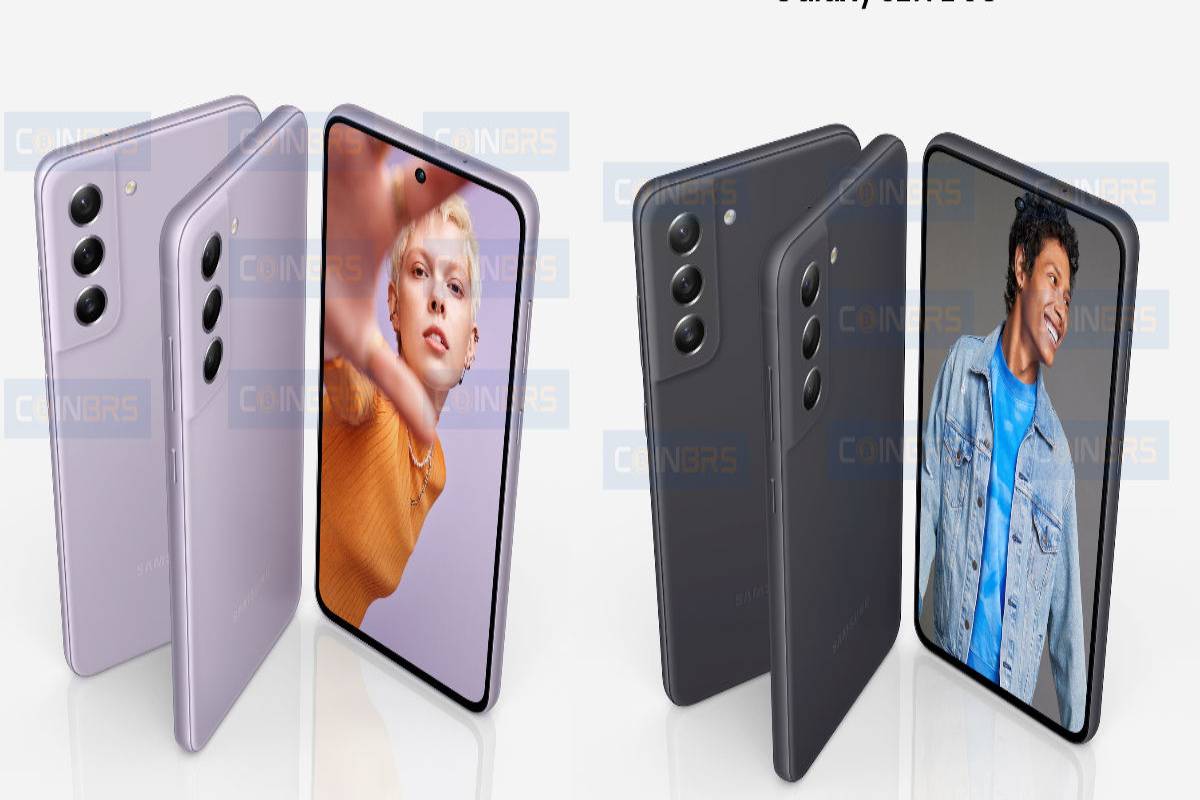
South Korean tech giant Samsung is all set to launch its new smartphone – Samsung Galaxy S21 FE 5G in the very near future and there are already a number of leaks and rumours surrounding the device. It is expected that the device will be launched by the company on January 6 and there are already multiple leaks providing details of the device. Now recent revelations in a report by 91mobiles suggest details regarding the Indian variant of the device along with storage memory configuration. Details on Upcoming Device from SamsungThere have been several tips in the past suggesting that the upcoming Galaxy S21 FE smartphones will be powered by a Qualcomm Snapdragon 888 SoC or Samsung manufactured Exynos 2100 chipsets depending upon the locations of the launch. Now, the report from tipster Ishan Agrawal suggests that the device will be launched in India with Exynos 2100 chipsets. Moreover, the devices will be sold in India with two storage variants – 8GB RAM with 128GB internal storage and 8GB RAM + 256GB internal storage. The report has also suggested the timeline of the Indian launch of the device and it is most probably going to be in January itself. The colour options for Samsung Galaxy S21 FE 5G in India is expected to be White, Purple, Olive and Graphite. There have been multiple leaks in the past about the specification details of the device. Specifications for Samsung Galaxy S21 FE 5GThe upcoming device by Samsung is likely to have a 6.4-inch AMOLED display with 1,080×2,340 pixels resolution and a 120Hz refresh rate. Galaxy S21 FE 5G is said to run Android 11-based One UI 3.1. Moreover, it is expected that the device will be backed by a 4500mAh battery which will support 25W fast charging technology. It is rumoured that the device will have a triple rear camera setup which will consist of a 12MP primary sensor, which may be complemented with a 12MP ultra-wide-angle lens, and an 8Mp telephoto sensor. Moreover, the device might have a 32MP selfie shooter. The connectivity options on the device are expected to consist of 5G, 4G LTE, Wi-Fi 6, Bluetooth v5, NFC, and USB Type-C port. |
| Vivo Y21T Launched with Snapdragon 680 SoC and Triple Rear Camera Setup Posted: 01 Jan 2022 06:53 AM PST
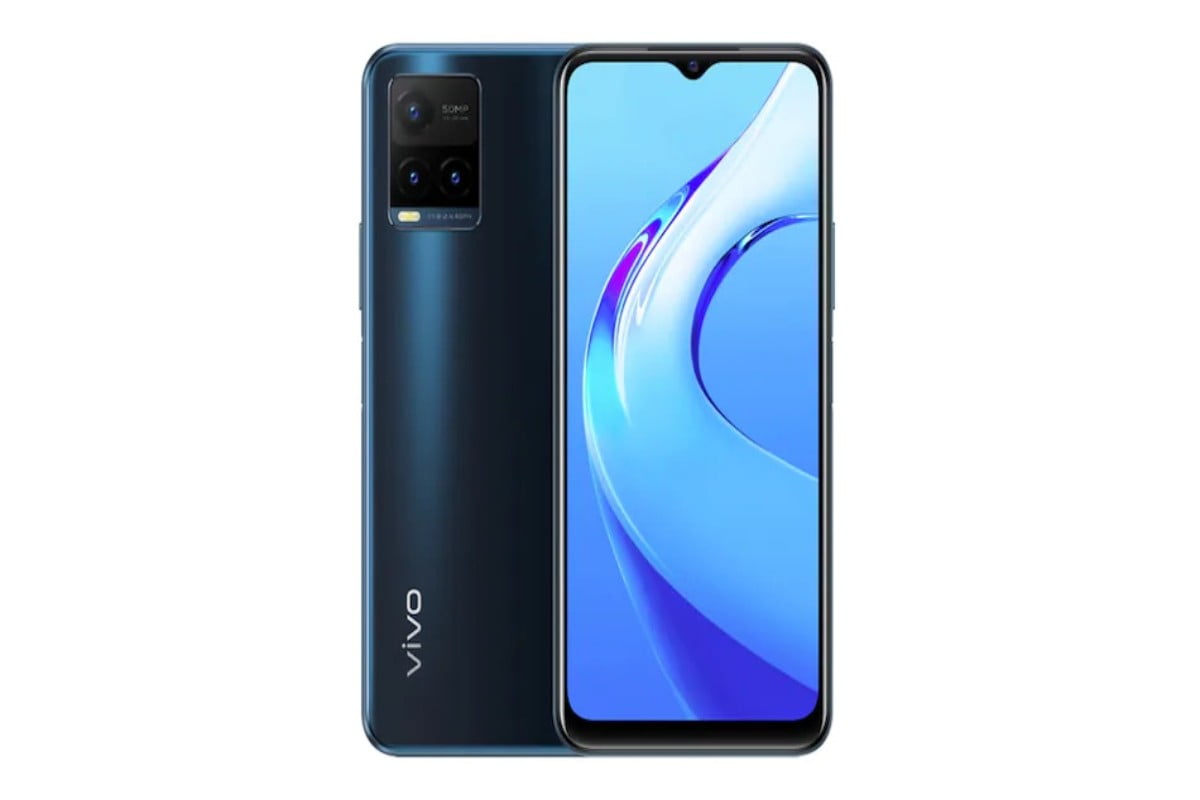
After multiple leaks and renders surfaced in the past, Chinese smartphone brand Vivo has finally launched its Vivo Y21T smartphone as an affordable device and added to the portfolio of the company's Y series. The device will be available in only one storage variant and it is rumoured that the handset will be launched in India next week. The handset comes with a waterdrop-style display notch and a triple rear camera setup. Users get the option of choosing from two colour options. Vivo Y21T SpecificationsThe all-new Vivo Y21T operates on Android 11 with Funtouch OS on top and has a dual nano-SIM slot. The handset comes with a 6.51-inch HD+ (720×1,600 pixels) display. Affirming the previous rumours, Vivo Y21T indeed comes with Qualcomm's Snapdragon 680 chipset under the hood. The RAM on the device is 6GB which can be virtually expanded using the built-in storage to up to 2GB. As far as the camera module of the device is considered, Vivo Y21T comes with a triple rear camera setup consisting of a 50MP primary sensor with an f/1.8 lens, along with a 2MP secondary sensor with an f/2.4 macro lens and a 2MP depth sensor with an f/2.4 lens. The front of the device features an 8MP selfie camera with an f/1.8 lens. The smartphone comes with 128GB of internal storage and can be expanded up to 1TB using a dedicated slot. Vivo Y21T is backed by a 5000mAh battery supported by an 18W fast charge technology. The device also features a side-mounted fingerprint scanner. Connectivity options on the smartphone include 4G LTE, Wi-Fi, Bluetooth v5, GPS/ A-GPS, FM radio, USB Type-C, and a 3.5mm headphone jack. The body of the smartphone weighs 182 grams and is 164.26×76.08x8mm in measurement. Onboard sensory systems for Vivo Y21T includes an accelerometer, ambient light sensor, magnetometer, and proximity sensor. Price and AvailabilityThe new smartphone from Vivo – Vivo Y21T has been priced at IDR 3,099,000 which amounts to somewhere around Rs 16,200. The device only has a solo 6GB RAM paired with 128GB of internal storage variant. The device is available in Midnight Blue and Pearl White colour options in Indonesia. The launch of the device is rumoured to be in India next week and it is expected that the handset will be available at a price tag of Rs 16,450 for its 4GB + 128GB variant. |
| Jabra Elite 4 Active Launched in India at a Price Tag of Rs 10,999 Posted: 01 Jan 2022 05:55 AM PST
Danish brand Jabra has launched its new pair of earbuds in India. The audio tech company owned by GN Group has unveiled its all-new Elite 4 Active that comes with health features. The latest earbuds from Jabra come with Spotify Tap Playback feature, native noise cancellation, Google Fast pair and HearThrough technology. Using the all-new wearable users can also connect with voice assistants such as Amazon Alexa or Google Assistant. The new smartwatch Jabra Elite 4 Active has already been made official in Australia and the UK. Jabra Elite 4 Active SpecsTalking about the design of the wearable, Jabra Elite 4 Active comes with a signature Jabra design with angular earbuds pointing downwards. The design is quite identical to that of Elite 3 earbuds launched in India a few months ago. The device supports Qualcomm aptX as well as SBC audio codecs and is endowed with 6mm drivers. The earbuds can also be paired up with the Sound+ app and come with the Spotify Tap playback feature. The device features active noise cancellation and is rated IP57 for protection against dust and water. Talking about the battery backup, Jabra Elite 4 Active provides a battery life of up to 7 hours with a total of 28 hours run time. The fast-charging feature is also available with the charging case of the wearable allowing for 1-hour use of the device with just 10 minutes of charge. The time required to fully charge the device is three hours. The company has also claimed that earbuds are engineered for all kinds of workouts and the lightweight of the device allows it to be worn for multiple hours without any hassle. Price and AvailabilityJabra Elite 4 Active earbuds have been launched by the company in India at the price tag of Rs 10,999. Interested buyers can get the device from the official website of Jabra along with various e-commerce platforms and the colour options include black, blue and green. It is also rumoured that the manufacturer will reveal the all-new Jabra Elite 4 Active at CES 2022 along with multiple other Jabra earbuds. The devices will come with a warranty for two hours. |
| Noise ColorFit Caliber Wearable Launched in India, Might Come at an Introductory Price of Rs 1,999 Posted: 01 Jan 2022 03:56 AM PST
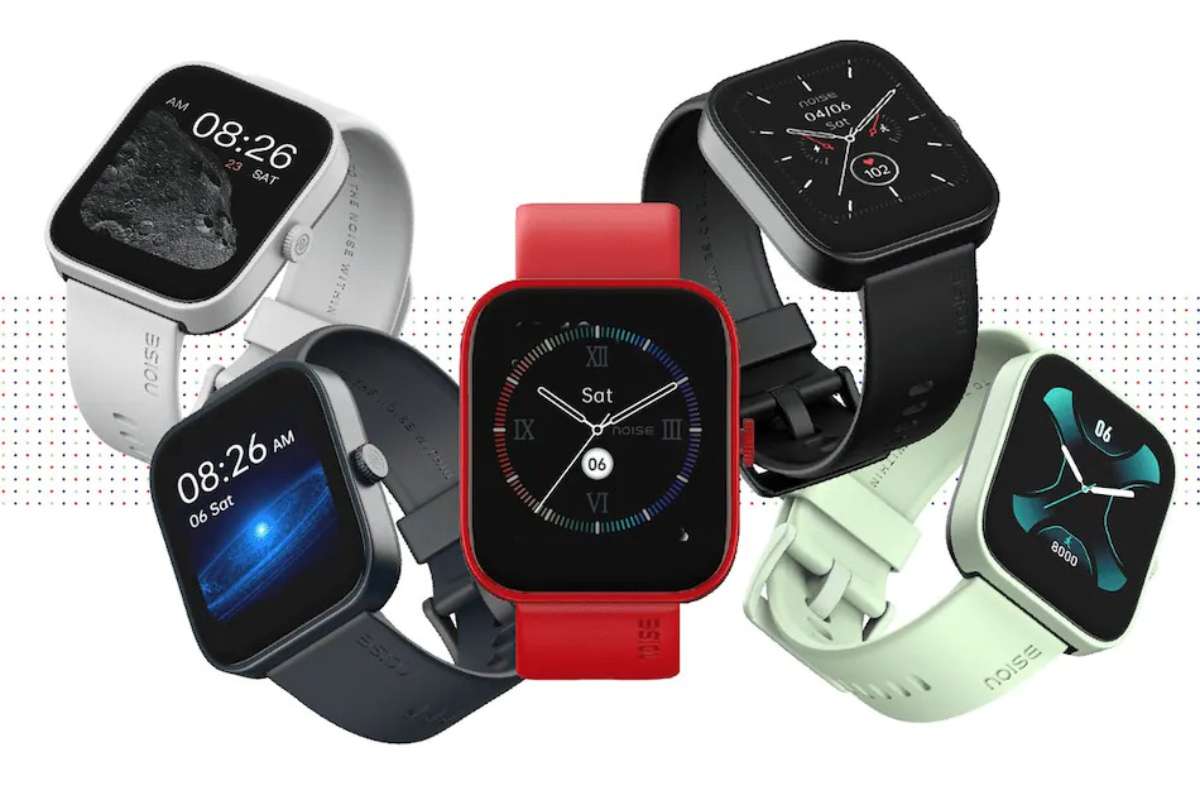
India's one of the most prominent watch brands, Noise has launched its latest smartwatch adding to the portfolio of its affordable devices. The newly launched wearable is called Noise ColorFit Caliber and the device is one of the pocket-friendly products offered by the company. The all-new Noise ColorFit Caliber has been launched in the country with some exciting features such as a colour display and a 15-day battery life. The new smartwatch also offers health-related features along with customisable watch faces, sports modes and more. Specifications of Noise ColorFit CaliberTalking about the details of the device, Noise ColorFit Caliber comes with a display featuring a 1.69-inch TFT display with a 240×280 pixels resolution. The company has claimed that the wearable comes with over 150 customisable and cloud watch faces for users to choose from. The device features a three-axis accelerometer and sensors on the wearable includes blood oxygen saturation level (SpO2) and 24×7 heart rate monitoring. The smartwatch is also capable of tracking stress, sleep, and menstrual cycle monitoring as well as offering body temperature measurement, however, the company has informed that the device is not a replacement for adequate medical instruments. In addition to this, the Noise ColorFit Caliber features 60 sports modes for users to track their fitness levels and exercises. The device also comes with an IP68-rated build for dust and water resistance. The strap of the wearable is made up of silicone and can be adjusted to any wrist size. Just as any other smartwatch, Noise ColorFit Caliber can be paired up with any Android or iPhone device to get notification alerts. The device comes with a magnetic charger and as mentioned above it is claimed that the device could run for 15-days on a single charge. Price And AvailabilityThe all-new Noise ColorFit Caliber has been priced in India at Rs 3,999. However, according to the Flipkart shopping application, the device has been launched at an introductory price of Rs 1,999. The wearable has been listed on the company's website as an upcoming model and the smartwatch will go live on January 6 at 12 noon. The strap of the upcoming Noise ColorFit Caliber is expected to come in Black, Blue, Green, Red, and White colour options. |
| Major Apple Products That May Arrive in 2022 Posted: 01 Jan 2022 02:00 AM PST
2022 is finally here and Cupertino-based tech giant Apple is all set to add multiple exciting devices to its portfolio. One can expect Apple to launch various products this year which includes the very first iPhone without a notch, a completely redesigned MacBook Air, a larger iMac with mini-LED display and Apple silicon chip and also the long-awaited and first wearable since Apple Watch – the rumoured Apple AR/VR headset. Mentioned below are some of the products and their details which Apple might be launching in 2022. iPhone 14Like every year, Apple will be launching its flagship iPhone lineup and if the rumours are to be believed, 2022 could be the first time when the iPhone will be launched with a notch-free display. The device is expected to feature a hole-punch cut out for the camera and it is expected that the lineup will include four iPhone devices, however, Apple is most probably going to axe out its iPhone mini variant. It is expected that the iPhone 14 series is expected to feature an A16 chip which will offer more power and efficiency. The smartphones could also feature powerful X65 5G chips from Qualcomm for faster connectivity and up to 2TB of onboard storage. Apple Watch Series 8Apple might be bringing in new health features along with Apple Watch Series 8 as its predecessor didn't come with any new updates. New health features are expected to include blood glucose monitoring, blood pressure measurements, temperature sensing and more. It has also been earlier reported that the company could launch a rugged version of the device made for athletes, hikers or anybody who uses the watch in extreme conditions. iPhone SEApple is rumoured to be launching a newer version of the iPhone SE in 2022 which will have the same design as the current iPhone SE. The device will have a 4.7-inch display and Touch-ID Home Display button which came with the older designs. The device is expected to feature an A14 or A15 chipset and a 5G modem and it could probably be the most affordable 5G device available in the market. Although there are no changes in the size of smartphones, Apple is still expected to call the new device – iPhone SE Plus. MacBook AirIn addition to this, Apple is also working on introducing a completely redesigned MacBook Air in 2022 which might be the biggest refurbishment the product has ever received. The new version of MacBook Air is being speculated to come with a new design language and an M2 chipset. The new MacBook Air is expected to be much thinner and lighter and will take design inspirations from 24-inch iMac. |
| Vodafone Idea Has Better Offers than Jio, Airtel in 2022 Posted: 31 Dec 2021 11:55 PM PST
Vodafone Idea (Vi) has been trying to scoop up subscriber and revenue market share from its rivals, including Reliance Jio and Bharti Airtel. While the telco is often looked at as piggybacking on Airtel's moves, for example, the recent tariff hikes and the structure of its prepaid plans, there's no denying that its prepaid offers are better than what Jio and Airtel provide in 2022. If you are not aware of the offers provided by Vodafone Idea in the prepaid segment, it is high time you expand your horizon and look beyond Jio and Airtel this new year. Vodafone Idea Provides These Unique BenefitsIn 2021, Vodafone Idea had rebranded its additional offers provided with prepaid plans to 'Vi Hero Unlimited'. After the tariff hikes, the telco added another offer that would come bundled with Vi Hero Unlimited. The first unique offer and one that was recently added by the telco is 'Data Delights'. This is an offer that will provide the users with 2GB of emergency data every month that can be redeemed by the user as 1GB in a day two times. Every month, the data is reset for the users. The second unique offer is the Weekend Data Rollover offer. With the Weekend Data Rollover offer, consumers can use all of their leftover fair-usage-policy (FUP) data from the weekdays on the weekends. The weekdays here comprise Monday to Friday, while the Weekends are Saturday and Sunday. Note that the leftover data from a particular week can't be rolled over to the next week. The third unique offer is the Binge All Night offer. This is an exceptional offer that allows users to consume unlimited amounts of high-speed data between 12 AM and 6 AM every night. The data consumed at this hour of the day won't affect the user's FUP data for the day. Further, with most of its plans, Vi also offers Vi Movies & TV benefit, which is an over-the-top (OTT) offering of Vodafone Idea itself. These benefits are available on prepaid plans starting at a denomination of Rs 299 and above. |
| Competition Commission of India Orders Investigation on Apple App Store Posted: 31 Dec 2021 10:15 PM PST
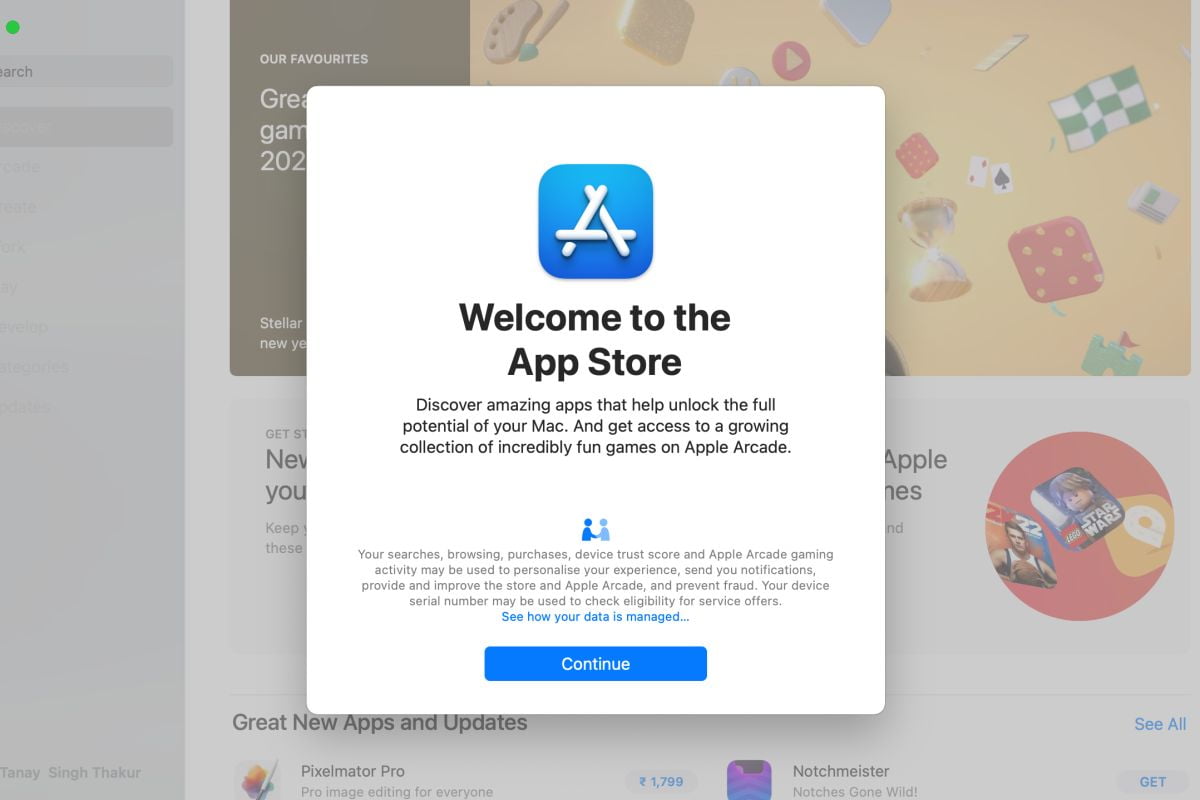
The Competition Commission of India (CCI) has ordered an antitrust investigation on Apple's App Store business practices. Apple doesn't let third-party app stores be listed on the App Store. The guidelines, as well as the agreement policy, restrict the developers from offering third-party app store services on Apple's App Store. Because of the current policies and restrictions, the market for app stores for iOS dies down. It is worth noting that CCI is also in a similar battle against Google's Play Store policies. The issue with the current policies is that they hamper third-party app developers and the entire ecosystem. Apple Prohibits Developers from Informing Users to Purchase the App from WebAccording to an IANS report, CCI has said that the current policies make it mandatory for the developers to use Apple's proprietary in-app purchase system (IAP) for the distribution of paid digital content. On this, Apple charges the developers up to 30% commission on the subscriptions sold through the mandatory IAP. The CCI order said Apple prohibits the developers from informing the users that they have the ability to purchase their same subscription out on the web as well. Apple doesn't let the developers add in a button or a link on their offerings that redirect the user to a third-party payment processing solution that isn't Apple's IAP. This is in violation of the competition norms as the current App Store policies result in the denial of market access for the potential app distributors or app store developers. Not just in India, but Apple has faced antitrust investigations by the European Union and the United States (US) Federal Trade Commission (FTC) over its App Store policy. On a similar note, Google has asked for more time to reply to CCI's antitrust allegations through a writ in the high court. Apple and Google are two of the biggest app distributors in the world, with millions of users accessing the App Store and Play Store every day. |
| Top Reasons to Have a High Speed Internet at Your Place Posted: 31 Dec 2021 07:35 PM PST
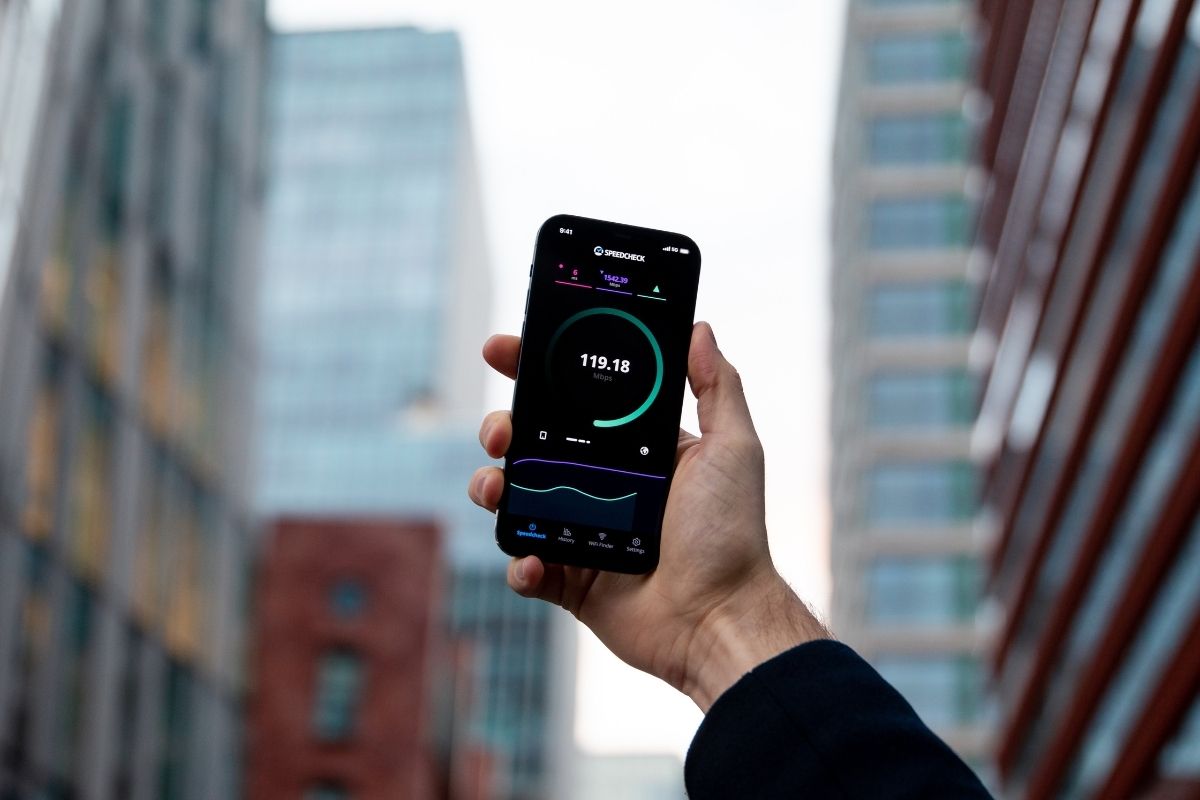
Internet is an indispensable element in today's world. Staying connected is a necessity than a desire. Internet-primarily facilitates communication across borders. Beyond communication, there are a few things that a faster internet can deliver to an individual or an organisation. Here are the advantages that high-speed internet provides to organisations. Reasons You Need High-Speed InternetSeamless collaboration: For businesses, there are times when staff must work together on several tasks from different parts of the world. COVID-19 pandemic is a perfect example of the scenario when employees have to work from home and collaborate with colleagues virtually. Without high-speed internet, such collaborations and communication are impossible. The data from one end transfers to another without delay through faster internet, making the work seamless. Secure financial transactions: With digitalisation taking its place everywhere, one primary concern is data theft. Such threats not only result in financial losses but also damage reputations. Such threats take a longer time to solve. To avoid losses from corporate data breaches and related security issues, most businesses want a fast internet connection. Only a high-speed internet connection can accelerate the process of setting up a firewall or tracking a data breach. Increased access to cloud storage: Secure data storage is of paramount importance to all businesses. Gone are the days of disc storage. Cloud-based storage is widely used, primarily because of its ease of access from anywhere, anytime. Backup and restore of vital data can consume much bandwidth. Faster internets make this seamless without interfering with other essential tasks. Less time consumption: Fast internet enables people to do more work in less time. This is beneficial to any organisation's bottom line because it reduces turnaround time for many projects. It also aids client retention as they get their works delivered in less time. Multi-user settings: High-speed internet comes with significantly higher bandwidth. This means that a greater number of users can parallelly use the facilities without any performance delay. There will be no technical issues with fast internet speeds, and work at the workplace will run more smoothly than ever before. Greater efficiency: Overall, faster internet contributes to greater efficiency, thereby better productivity. A quicker and stable internet connection across the organisation reduces internet outages, ensuring zero interruption in the work front. |
| Jio, Airtel, and Vi Base OTT Plans Are Not Very Different Posted: 31 Dec 2021 05:33 PM PST
The competition among the telecom operators in India is pretty high and they keep coming up with offers and benefits to attract more users. The demand for Over-The-Top (OTT) platforms has risen significantly in the past few years and it is quite common for the telcos to bundle up subscriptions to a few OTT platforms with the plans offered by them. All the three private telcos – Reliance Jio, Bharti Airtel and Vodafone Idea or Vi provide several prepaid plans that come with access to various OTT platforms. However, when it comes to the base OTT bundled prepaid plans, all the telcos offer almost similar priced packs. Mentioned below are the base OTT prepaid plans offered by Reliance Jio, Bharti Airtel and Vi to the customers. Reliance Jio – Rs 601 PlanIndia's largest telecom operator Reliance Jio offers multiple OTT bundled packs, however, its most basic prepaid plan with OTT access comes at a price tag of Rs 601. The plan has a validity period of 28 days and offers 3GB of data each day along with unlimited voice calls and 100 SMS per day. Along with daily 3GB of data, the plan also offers an additional 6GB of data. The Rs 601 plan from Jio comes with access to one year Disney+ Hotstar mobile worth Rs 499 at no added cost. Users can also enjoy various Jio applications such as the Jio Cinema, Jio TV and more. Moreover, after using the daily data limit, users can further enjoy 64 Kbps of internet speed. Rs 601 Plan from ViVodafone Idea on the other hand also provides a Rs 601 plan. Some of the offers provided by the telco are quite similar to that of Reliance Jio but the additional benefits are quite unique. The Rs 601 plan from Vodafone Idea or Vi also offers unlimited calling along with 100 SMS per day for its customers. This plan from Vi as well offers 3GB of data per day and comes with a validity period of 28 days. When it comes to the bundled OTT platform, the telco offers one year of access to Disney+ Hotstar mobile as well just like Jio. Moreover, users also get an additional 16GB of data at no extra cost. However, when it comes to additional benefits, the telco provides quite unique offers. With the "Binge All Night" benefit, users can binge through the internet with no limits during the time period of 12 midnight to 6 am. Additionally, Vi offers a "Weekend Roll Over" feature using which users can carry forward the unused daily data from Monday-Friday to Saturday and Sunday. Apart from this, Vi also offers up to 2GB of additional backup data every month which comes at no cost. When it comes to the entertainment part, users get access to Vi Movies and TV with this plan through which they can enjoy unlimited movies, music, live TV and much more on the app. Rs 599 Plan from AirtelTalking about Bharti Airtel, India's one of the most prominent telecom companies, under its "Truly Unlimited" packs offers a Rs 599 plan that has benefits almost identical to that of the other two. This plan offers unlimited calling to its users and the validity period for this pack is of 28 days. Moreover, users also get a total of 100 SMS per day. In addition to this, users also get 3GB of internet data per day till the validity period. Users get this data at a high speed and beyond the set daily limit, the internet speed is reduced to 64 Kbps. This plan from Bharti Airtel also comes bundled up with access to Disney+ Hotstar mobile worth Rs 499. Furthermore, the plan also provides a trial offer for mobile edition Amazon Prime Video. Users get a 30-day free trial which they can start when they recharge with this plan. This benefit is available only once per user. Apart from this, users can also get free only courses with Shawn Academy, Wynk Music for free and much more. |
| Understanding 5G in India in 2022 Posted: 31 Dec 2021 10:30 AM PST
5G is the latest wireless standard of network connectivity that is designed to connect everyone virtually. This includes machines, objects, and other devices. 5G stands to change the way everyone connects. It is something that a lot of people haven't even been able to comprehend yet. With 5G, multiple-Gigabytes of data throughput, ultra-low-latency, massive network capacity, and a more uniform experience for the users can be promised. Due to these possibilities, 5G enables the evolution of next-gen technology. No One Owns 5GUnderstand that 5G isn't a unique invention, and no one owns it. It is just a wireless connectivity standard. The 3rd Generation Partnership Project (3GPP) is an industry organisation that is followed by almost every country when it comes to 5G and other wireless network connectivity standards. Underlying Technology that Makes 5GNote that 5G is based on Orthogonal frequency-division multiplexing (OFDM). OFDM is a method of modulating a digital signal across several different channels for reducing interference. 5G is not very different in principle from 4G. It uses the same mobile network principles as 4G, but the only difference is, 5G New Radio (NR) air interface can enhance OFDM for delivering a much higher degree of scalability and flexibility. 5G also brings higher bandwidth spectrum frequencies into play. The spectrum in the millimetre wavelength bands and sub-6 GHz bands will be used for 5G services which will be the first time such high-frequency airwaves will be used for rolling out mobile network services. This enables 5G to be way different than 4G when it comes to the use cases and its applications. The mobile ecosystem will touch upon new realms with 5G, which wasn't possible with the previous generation technologies. Just comparing with 4G networks, 5G is faster, has more capacity, delivers significantly lower latency, is a more unified platform than 4G, and uses a higher frequency spectrum better than 4G would have ever been able to. 5G is designed to support more mission-critical applications and communications and also bring the massive Internet-of-Things (IoT) to the table. Even the deployment of 5G would be done in new ways. It would be the first time we might see street furniture such as electricity poles and more holding small cells, which would enhance network coverage for 5G services in the high-spectrum bands. Where Will 5G be Used?5G will be used in multiple areas for enhancing user experience. Firstly, 5G will enable enhanced mobile broadband (eMBB), due to which immersive experiences such as virtual reality (VR) and augmented reality (AR) will become possible. Then there are mission-critical communications that 5G will enable, such as communication between vehicles, smart healthcare, and more. Massive IoT is also an exciting possibility with 5G as there would be ultra-low latency connections with high data throughputs for enabling real-time communication between sensors. 5G Is Not Just for Normal ConsumersUp until now, mobile networks have been only seen as a tool made for normal consumers. But 5G is not just going to be reserved for normal consumers. It is made for a bigger ecosystem which, as mentioned above, includes massive IoT, enhanced mobile broadband, and mission-critical communications. Enterprises would want a chunk of 5G network for their manufacturing facilities or offices; thus, the role of private 5G networks and network slicing would become evident. 5G would be very different from 4G, and it would open up multiple new revenue streams for the telecom companies. So many new businesses, applications, and use-cases would emerge with the power of 5G networks. Why is 5G Not Coming to Every City?The Department of Telecommunications (DoT) recently said that 5G would be first launched in select cities of the country. These cities are those where the trials are ongoing. Places such as Mumbai, Delhi, Hyderabad, Gandhinagar, Pune and more would see 5G first than the rest of India. The reason behind this is the network deployment cost. Investments that 5G would entail won't be cheap. The telecom operators will have to spend a lot on the 5G spectrum and upgrading the existing sites along with the deployment of small cells on electric poles and whatnot. It will be a phased rollout, but the good thing with 5G on a non-standalone architecture (NSA) network is that the telcos can use technologies such as dynamic spectrum sharing and roll out 5G services using a 4G core. Which Spectrum Bands Will be Used for 5G Services?The Telecom Regulatory Authority of India (TRAI) is currently working on the fresh reserve pricing for the spectrum bands that will be on offer during the 5G spectrum auctions. This time around, the Department of Telecommunications (DoT) has decided that spectrum in the 600 MHz band will be on offer to the telcos as well. But the only issue is, the base pricing of the spectrum in several bands needs to be feasible for the telcos. If the telcos find the pricing too expensive, they will have no other option but to ignore the spectrum on offer from the government. The spectrum bands which will be used for 5G are — 600 MHz, 700 MHz, 800 MHz, 900 MHz, 1800 MHz, 2100 MHz, 2300 MHz, 3.5 GHz, 26 GHz, and possibly 28 GHz. Spectrum is an area where the telcos and the satellite communications companies are at a difference of opinion. The satcom companies want the government to leave the frequencies in the 28 GHz band for satellite broadband, but the telcos feel like they need the airwaves in the 28 GHz band as well. Not just this, but there is also the question of how will the government allocate this spectrum. Satcom companies are geared towards the opinion that the government should administratively allocate the spectrum depending on the requirements, while the telcos are of the opinion that the government should only auction the spectrum, which will help in maintaining transparency. Indian Market Getting Ripe for 5G ServicesOne thing that the telcos will appreciate is that the Indian market is ready for the launch of 5G services. This is because it has happened for the first time that people already have smartphones that support network technology which hasn't even been launched yet. There are millions of Indians who carry 5G enabled smartphones today. This will help the telecom operators in maximising their revenues and reach the break-even point earlier than anticipated. Further, the enterprises are also in huge need of digital services and use cases that 5G would enable. Be it healthcare, education, or the online gaming industry; every industry would require 5G services. With legacy networks, the telcos would first launch the service, then educate the customers about the need and benefits of those services, then smartphones supporting those services would arrive in the market, and only then the telcos would get an opportunity to earn revenues. This involves education costs to the customers, to the enterprises, as well as time costs for the companies. But with 5G, that won't be the case. Users already have a huge interest in 5G smartphones, and thus the Indian market will be more than ready to consume 5G services as and when they launch. 5G vs 5GiSo India had come out with its own 5G standard, namely 5Gi. While 5Gi was made to enhance rural connectivity, it also posed certain significant problems. With 5Gi, the smartphone companies, as well as telecom gear vendors, faced the threat of rising costs. Indian consumers would have to pay more to get these 5Gi supported devices. This was because 5Gi products would need to be tailored specially for India. The vendors and manufacturers would have to make products on a very low scale, especially for the Indian market, and the other markets would be getting 3GPP's 5G supported products. This would have contributed to the rising costs for Indian consumers. It would have further locked out India from the rest of the world. If a 5Gi supportive smartphone was in a foreign environment such as the United States (U.S.), it wouldn't have been able to connect with the 5G network present there as it is a 5Gi supportive device. However, according to a recent statement from the 3GPP, it has been confirmed that 5Gi is being merged with the 5G standard of 3GPP. A plan of action for the same has already been confirmed. So people who are worried about India making the mistake of going ahead with 5Gi can rest easy as it won't happen anymore. When Will 5G be Available in India?5G should launch in the second half of 2022. The spectrum auctions are likely to happen during May or June 2022 as the telcos are still in the trial phase. Even TRAI hasn't come up with fresh base pricing as of yet. There could be more delays and unseen challenges. But if things stay on course and everything goes the way it has been assumed it will, India might see the first 5G network going live during August 15, 2022. The government wants the telcos to try and make an effort to launch 5G by August 15, 2022. It is a very special day for the country as August 15 is India's official Independence Day, the launch of the 5G network on that particular day would hold a lot of significance. But again, it will take a few years before it reaches everyone in India. PAN-India 5G coverage is expected by 2025 or 2026 by the latest. This is because the telcos would have to incur huge amounts of money to deploy new equipment and upgrade existing technology to ensure a smooth 5G network service is delivered. |
| BT Looks Towards Expansion in India and Ensuring Digital Transformation Posted: 31 Dec 2021 09:49 AM PST
British Multinational Telecommunications Company BT Group has stated that it is looking forward to expanding its services in India in order to use the country's digital skills to create more products and solutions for digital transformation. BT Group is a provider of global communication services. The chief innovation officer at BT, Harmeen Mehta, had stated in an interview to ET Telecom that India has a big presence for BT and the company is probably one of the largest outside of the UK as well. She added that the company runs a big finance operation out of India, and the digital has a significant presence in Bangalore as well. BT's Plan of ExpansionIn the interview with ET Telecom, Harmeen Mehta further added that the company is looking to expand massively over the next year and convert India to be a prominent BT centre just like the UK. She said that India has a large population that offers varied digital skills, which is suitable for BT to expand its operations. She said that the industry is a focus of the country, and BT Group is keen to take full advantage by expanding and bringing in product thinking, design thinking, along engineering skills to leverage them out of India. Mehta has also worked as the chief information officer for Bharti Airtel in the past and said that the main focus of the expansion would be to figure out ways to find new revenue streams for BT. Harmeen Mehta is also on the front lines of the company's newly created technology unit – BT Digital which ensures accountability for IT along with BT-wide digital transformation and data and product strategy. She also talked about the ambitious strategy from BT called Ambitious 2030, which lays down the path for the company's future. She said the company's plan will be a huge transformation and will almost be like having a new organisation over a decade with a huge investment going in. BT is already rolling out fibre to every corner of the UK under its new strategy to digitise the UK as an economy. She added that a part of the focus would be on bringing the businesses back to growth and changing parts of portfolios, and discovering new marketplaces to leverage the strengths of BT to bring a lot of different products to the market. |
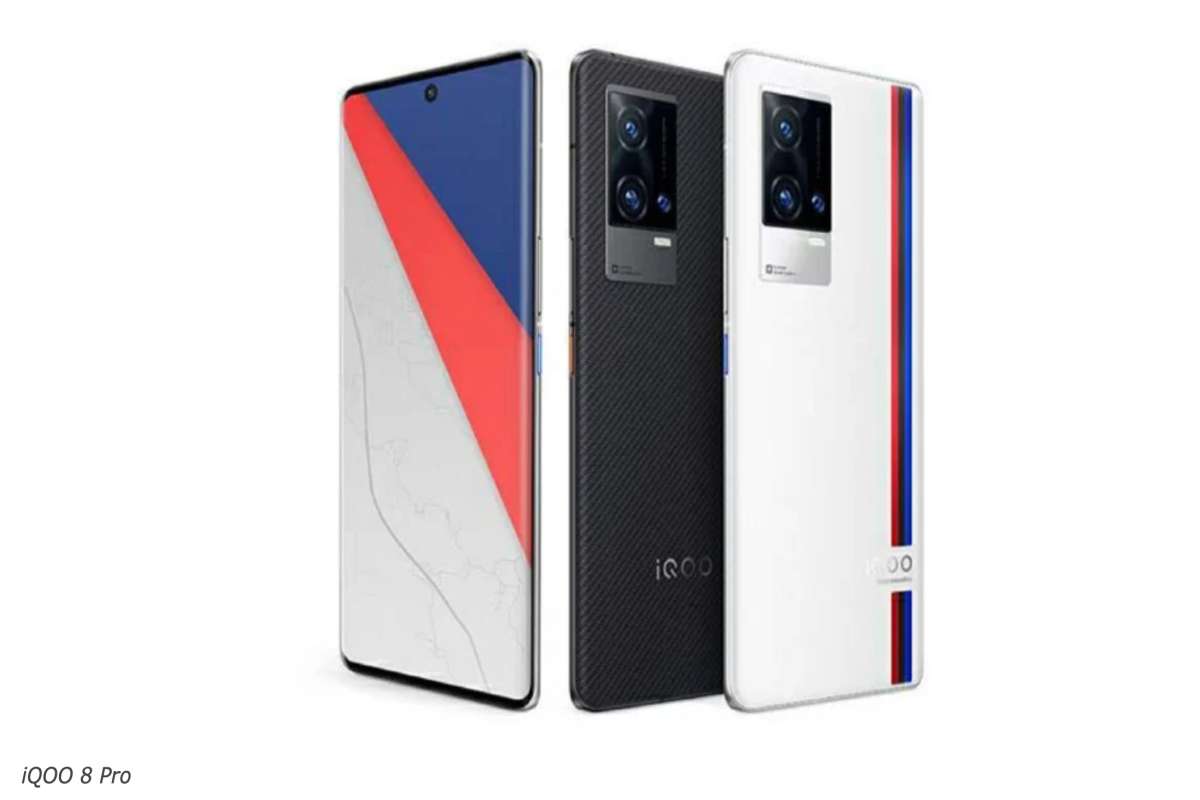
| iQOO 9 Series Confirmed to be the First to Feature 50MP Samsung GN5 Camera Posted: 31 Dec 2021 07:50 AM PST
Earlier, a leaked poster had surfaced for the upcoming iQOO 9 series of smartphones, according to which the series was going to be launched in China on January 5, 2022. Now, Vivo's subsidiary brand iQOO has made an official confirmation via Weibo that the devices will be arriving on January 9. Details about the camera specifications of the handsets have also been revealed. The upcoming iQOO 9 series will consist of iQOO 9 and iQOO 9 Pro models. The company took over Weibo previously as well to share an image for the upcoming iQOO 9, providing details on one of the colour options of the device. Details on Upcoming iQOO 9 SeriesIn the post shared by iQOO, the company has informed that the iQOO 9 series will come featuring a primary camera with Samsung's 50MP ICOCELL GN5 Sensor, whereas the secondary camera will have a 150-degree ultra-wide-angle lens. According to the company, iQOO 9 will be the first smartphone series ever to feature Samsung's 50MP GN5 sensor. The poster shared by the company also reveals that a 7P lens and gimbal stabilization will be featured in the series. However, the 150-degree ultra-wide-angle lens will only be available with the pro model. iQOO has also shared in a separate post that iQOO 9 Pro will come with a 120W GaN charger which will be lighter and smaller than the previous generation adapters. It has also been informed by the company that the iQOO 9 series will feature a 4700mAh battery backup. Previous leaks have also suggested that iQOO 9 is expected to come featuring a 6.78-inch AMOLED E5 display made by Samsung and will have a Full-HD+ resolution with a 120Hz refresh rate. In addition to this IQOO 9 may come with a second-generation independent display chip, two stereo speakers, and a dual X-axis linear motor. The device is most probably going to be powered by Snapdragon 8 Gen1 chipset. IQOO 9 is also expected to feature 8GB RAM. iQOO is yet to release proper specification details for the iQOO 9 series, and we can expect more details to be revealed by the company as the launch of the devices are just around the corner. |
| Samsung Galaxy A33 5G, Galaxy A13 5G Might Be Launched in India in February 2022 Posted: 31 Dec 2021 06:57 AM PST 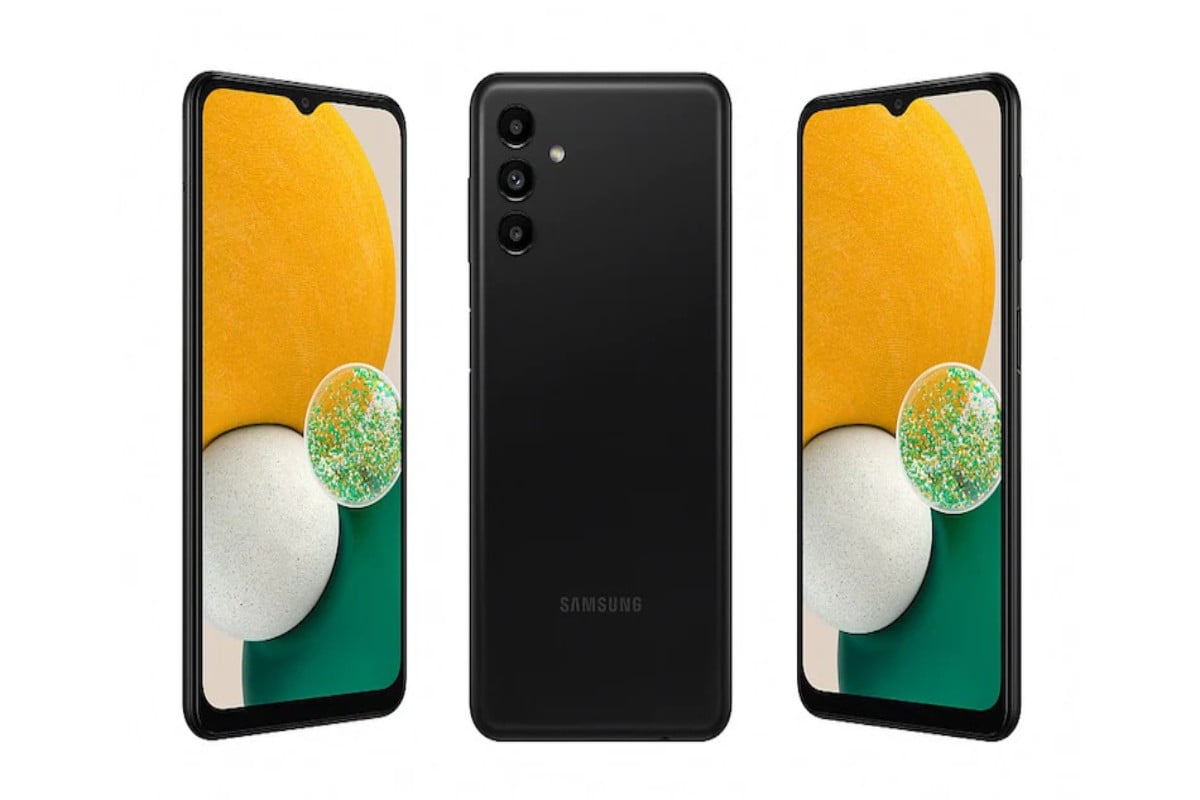 South Korean tech giant Samsung might launch its Samsung Galaxy A33 5G and Samsung Galaxy A13 5G in February 2022. The two smartphones will be the latest addition to the manufacturers A series of devices. It is expected that the launch of the handsets could be announced after the launch of the company's flagship Samsung Galaxy S22 series scheduled to launch in February. It is also rumoured that Samsung might be working on a 4G variant for Galaxy A13. Moreover, Galaxy A33 5G might come with a similar price tag as its predecessor. According to a report from 91mobiles, tipster Mukul Sharma has shared the information that both Samsung Galaxy A33 5G and Samsung Galaxy A13 5G might be launched in India by February 2022. He has also stated that the price of the Samsung Galaxy A33 5G will not be much higher than its predecessor in India – Samsung Galaxy A32. To recall, Samsung Galaxy A32 was launched back in March at a price tag of Rs 21,999 for its solo 6GB RAM + 128GB storage variant. There's no information available regarding the price of the Samsung Galaxy A13 5G smartphone. Expected Specifications for Samsung Galaxy A33 5GIt is speculated that Samsung Galaxy A33 5G will come with a display featuring a 6.4-inch full-HD+ Super AMOLED with a hole-punch for the selfie camera. Renders leaked in the past have suggested that the device might come featuring a quadruple rear camera setup consisting of a 48MP primary camera and a 13MP selfie shooter. It is expected that the device will be backed by a 5000mAh battery and will have an IP67 rating for dust and water resistance. The connectivity option of a 3.5mm headphone jack has also been tipped for the handset. Rumoured Specification for Samsung Galaxy A13 5GThe smartphone has already been launched in the US earlier this month and came with a display featuring a 6.5-inch Infinity-V (720×1,600 pixels) HD+ display with a 90Hz adaptive refresh rate. The device was powered by a MediaTek Dimensity 700 SoC combined with 4GB of RAM and 64GB of onboard storage. The handset will also be backed by a 5000mAh battery and will support 15W charging. For the camera part, Samsung Galaxy A13 5G will feature a triple rear camera setup with a 50MP primary camera along with a 2MP macro shooter and a 2MP depth sensor. The handset will also feature a 5MP selfie shooter located in a waterdrop notch on the display. |
| Telcos Might Resort to Another Price Hike After Initiation of Costly 5G Services Posted: 31 Dec 2021 06:34 AM PST
It hasn't been long since the telecom industry in India witnessed an overall tariff hike. Indian mobile service operators resorted to 20%-25% tariff hikes for all the prepaid plans offered by them. Now it is expected that telcos might opt for another price hike in the foreseeable future with the introduction of 5G services in the country which is the world's second-largest market. As per ET Telecom, even though the initiation of 5G services will ensure the generation of additional revenue for the telcos particularly from the enterprise and digital services segment, it is going to come at a high cost. The major cost is going to be the amount companies will pay for the airwaves at the 5G auction. The Current ScenarioOn the other hand, the overall debt of the telecom industry remains stagnant as it has been stated by ICRA that debt levels will remain the same at around Rs 4.7 lakh crore as of March 31, 2022, and will be moderated to Rs 4.5 lakh on March 31, 2023. To make 5G available across India, the telcos have already been asking for the affordable pricing of the spectrum. Senior Director, Corporates at Finch Ratings, Nitish Soni has said in a statement that the recent price hike has been positive for the industry. He added that after having clarity on the spectrum next year, it is expected that the telcos will opt for another price hike. The cost pressure mentioned above paired up with more headroom in the market is going to put the telcos in a position where they will resort to another price hike. However, the price hike is expected to happen by the end of 2022. The three private telcos in the country Reliance Jio, Bharti Airtel and Vodafone Idea have already started conducting 5G trials in the country. It is also expected that the Telecom Regulatory Authority of India (TRAI) will also make steady recommendations on the process of auction of the spectrum allowing DoT to begin the auction of the 5G spectrum. The telcos have already begun the 5G trials in the cities across India including Bangalore, Gurugram, Kolkata, Chennai, Hyderabad, Mumbai, Delhi Jamnagar, Ahmedabad, Pune and more. It is expected that the metro cities of the country will be the first to witness the launch of 5G services in India. |
| Samsung Hints Exynos 2200 With AMD’s RDNA 2 Graphics Posted: 31 Dec 2021 05:47 AM PST
Samsung has begun teasing its next flagship smartphone SoC. Expected to be named Exynos 2200, the new chipset will feature a GPU powered by AMD's RDNA 2 graphics architecture, which is best known for powering the next-gen graphics on the Xbox Series X, PlayStation 5, and AMD's RX 6000-series graphics cards. If the rumour is true, the new Samsung microchip Exynos 2200 will definitely bring massive improvements in graphics upgrades, as well as any other changes, in Samsung smartphones. The Exynos 2200 will most likely power some of Samsung's most powerful phones launching in 2022, as a successor to Exynos 2100 from 2021. Some of the expected new Samsung phones in 2022 are Galaxy S22 and S22 Ultra. However, as is customary, smartphones featuring Samsung's in-house designs are likely to be limited to international models of the company's future flagships, with US variants presumably employing Qualcomm's recently announced Snapdragon 8 Gen 1 processor instead. We would not have to wait long to learn more about Samsung Exynos 2200 as Samsung has promised a formal unveiling on January 11. Design renders for the Samsung Galaxy S22 and Galaxy S22 Ultra leakedMeanwhile, the Samsung Galaxy S22 series is expected to be released on February 8. Samsung will release three flagship devices — the Galaxy S22, Galaxy S22 Ultra, and the S22 Plus, which will be in the middle variant of the three. In the past, information about forthcoming Samsung smartphones has leaked. The design images for the Samsung Galaxy S22 and Galaxy S22 Ultra have been leaked ahead of the rumoured launch. The leaked phones of Samsung Galaxy S22 Ultra on 91Mobiles show that the forthcoming Samsung flagship will resemble the Samsung Galaxy Note series. It will feature a metal frame and a rectangle, boxy shape. The S Pen smart stylus will have its own dedicated slot at the bottom of the smartphone. The volume and power buttons are on the device's right edge, whereas the left edge is fully flush. The Galaxy S22 Ultra will be available in four colours, Burgundy, Green, Phantom Black, and Phantom White. The phone has a curved display with a hole-punch cutout in the upper centre on the front. According to rumours, the Samsung Galaxy S22 Ultra would have a 6.8-inch display with a QHD+ resolution. It may also have a 120Hz refresh rate. |
| Telegram Launched These New Cool Features for Users Posted: 31 Dec 2021 04:46 AM PST
On the last day of 2021, Telegram, the messaging app, released several new features. Telegram offers an iMessage-style reaction tool as well as an intriguing feature that allows you to hide parts of a text. Spoiler is the name of this exciting feature. Another newly launched, helpful feature of Telegram is the message translation feature, which is undoubtedly a first for a messaging app. Message translation is not available in other messaging platforms, including WhatsApp and Signal. Emojis will soon be available as a way for Telegram users to respond to communications. Telegram will now gain the feature, which is already available on iMessage, Facebook Messenger, and Instagram. According to the company, it is the first messaging software to introduce animated and dynamic emoji, providing users unrivalled options to express themselves in chats. In a blog post, Telegram stated that 'some of these emoji are now available as reactions to communicate sentiments and feedback without sending any words.' Double-click an emoji to send a Thumbs Up reaction in response to a message. To send additional emojis, press once on the message and select from the list of available emojis. The reactions can only be used in private chats, groups, and channels. Admins can choose whether or not to enable responses and which reaction emojis are visible in the conversation. Hide Sections of Message Using SpoilerUsers can use the Spoiler feature to choose any part of their text and apply the new 'Spoiler' formatting while typing. When you select Spoiler, the selected section of the message will be hidden in the chat, as well as in the chat list and alerts. Message Translation is without a doubt one of the most crucial functions that messaging software can offer. Telegram is the first app to showcase such a feature. Users can now translate any communication into a different language directly within the app. Go to the Settings > Languages to enable the translation feature. A new Translate button appears in the context menu when you choose a message. Users can also choose to exclude any languages in which they are fluent, in which case the translate option for those messages will be hidden. The translation is possible on Android smartphones that support Telegram, while on Apple devices, iOS 15+ is required. The operating system on your phone determines the available languages. |
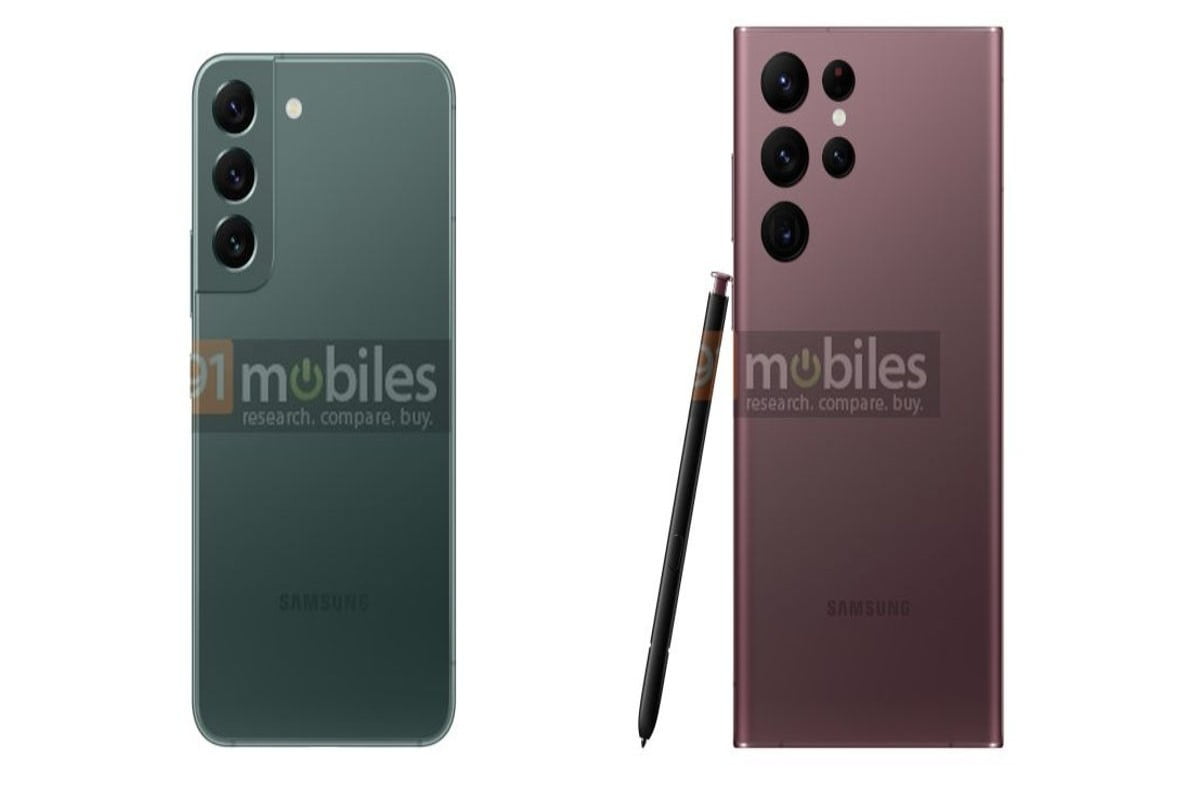
| Samsung Galaxy S22, Galaxy S22 Ultra Colour Options Revealed Through Renders Posted: 31 Dec 2021 03:44 AM PST
South Korean tech giant Samsung is all set to launch its flagship Samsung Galaxy S22 series, in January 2022. There have been leaks in the past about the Samsung Galaxy S22 lineup that consists of Samsung Galaxy S22, Samsung Galaxy S22+ and Samsung Galaxy S22 Ultra models. Now a recent report from 91mobiles has provided information on the base model of Galaxy S22 and Galaxy S22 Ultra. According to the report, industry sources have provided leaked renders of the devices giving information on the overall look of the device and colour options. Design Details of the DevicesLeaked renders have given details on the design of the Samsung Galaxy S22 suggesting that the device will come featuring a centrally-aligned single punch-hole selfie camera and a flat display. Galaxy S22 will also feature a power button and the volume keys on the right side of the device and only three antenna lines on the left side. On the rear side of the device, Galaxy S22 will feature a triple rear camera setup and the company's logo. The handset is expected to be available in Green, Pink Gold, Phantom Black, and Phantom White colour variants. Talking about Samsung Galaxy S22 Ultra, the premium device of the series is tipped to feature Burgundy, Green, Phantom Black, and Phantom White colour options. The ultra-model will also have support for an S-pen and for every colour variant will have an S-Pen coated with colours of a similar palette. The renders suggest that the device will have a quadruple-camera setup on the back and a power button along with a volume button on the right. Specifications for Samsung Galaxy S22 UltraEarlier, leaked images of the Samsung Galaxy S22 Ultra model have already surfaced. The images suggest that the device will have a curved edge, hole punched display. A quad rear camera setup can also be seen in the image of the device and it is also rumoured that the device will have a devoted space for an S Pen that used to come with the extinct Note Series by Samsung. It has also already been reported that Galaxy S22 Ultra will feature a 108MP primary sensor along with an additional 12MP sensor along with two 10MP cameras. |
| Realme 9 Pro Supposedly Spotted at Multiple Certification Sites Including BIS Posted: 31 Dec 2021 02:25 AM PST
Realme is planning to launch its next flagship Realme 9 Pro soon and the device has been ostensibly spotted at several certification websites suggesting that the launch of the handset could be just around the corner. Apparently, the handset was spotted at Thailand’s National Broadcasting and Telecommunications Commission (NBTC), Eurasian Economic Commission (EEC), and Indonesian Tingkat Komponen Dalam Negeri (TKDN) website. In addition to this, there has been a spotting of the device at the Bureau of Indian Standards (BIS) website which hints at the launch of Realme 9 Pro in India as well. Realme 9 Pro constitutes the Realme 9 Series of smartphones that will be launched by the company during the first quarter of 2022. Details on Realme 9 ProAccording to a report from MySmartPrice, a device was spotted at NBTC, EEC and TKDN claimed to be a Realme smartphone with a model number RMX3472. It is being speculated that the device is a successor for Realme 8 Pro – Realme 9 Pro. That being said it is also speculated that the smartphone with model number RMX3472 could be a 4G LTE device suggesting that it could be a C series smartphone from the company as Realme 9 Pro is expected to be a 5G handset. Moreover, the report from MySmartPrice has also stated that the device from Realme spotted at the above-mentioned sites was also spotted at the BIS website with a model number RMX3471 instead of RMX3472 hinting at the Indian launch of the smartphone. Realme 9 Pro is going to be a part of the Realme 9 Series and other devices in the lineup are expected to be Realme 9, Realme 9i, and Realme 9 Pro+/ Max and it is being speculated that the devices will be launched in the first quarter of 2022. Previously Realme 9 Pro+ was also spotted at Bluetooth SIG platform and also received BIS certification. The model number of the device was RMX3393. According to the listing on Bluetooth SIG, the device will feature Bluetooth v5.2. Additionally, it is also expected that the device will come with a 50MP primary camera at the back and a 16MP selfie shooter. |
| 4G Networks in India Still Important to Focus in 2022 Posted: 31 Dec 2021 01:32 AM PST
4G is going to be earning the maximum revenues for the telcos in 2022 as well. All the private telcos in the country have already been able to reach almost every part of India with their 4G services. While 5G is going to launch in 2022, 4G is still going to make the biggest difference in a consumer's life. In the coming years, the relevance of 4G would reduce, but 2022 is still too early for the telcos to give up on 4G. There's a lot of headroom for expanding 4G coverage and bringing affordable connectivity for every Indian. Indians still haven't been able to experience what true 4G networks can deliver in a consistent manner. Network congestion and 4G go hand-in-hand in India because of the sheer number of people that live in the country. Telcos Wouldn't Have Spent Thousands of Crores for 4G Spectrum if it Wasn't ImportantTo make it simple for everyone to understand from a business point of view, there are a lot more 4G devices in the market than 5G ones. If the telcos were to shift their focus on 5G completely, they would be catering to a very small number of consumers. While 5G is also for enterprise customers, the volume of revenues that 4G services promise at least for the next two to three years, 5G can't bring. The telecom operators spent thousands of crores on purchasing spectrum from the government in 2021. If they wanted to shift to 5G completely, they wouldn't have done that. There can be a counterargument that all of the 4G spectrum bought could be with the aim of repurposing it for 5G NSA later. The thing is, it won't be false, but also it wouldn't make sense to do that as it would involve costs and would also require an additional 5G spectrum along with a ready market, which India hasn't become until now. |
| BSNL Beats Vi, Jio, Airtel in Offering the Best 28 Days Plan Posted: 31 Dec 2021 12:19 AM PST
Bharat Sanchar Nigam Limited (BSNL) is the only telecom company that didn't go ahead with prepaid tariff hikes. All the private telecom operators have increased the price of their prepaid offerings by up to 20% to 25%. This has created a significant price difference between the prepaid plans offered by the state-run telco and all the private operators. In comparison, not just in price but also considering the benefits offered, BSNL has the best 28 days prepaid plan in the industry. BSNL's 28 Days Prepaid Plan that Beats Jio, Airtel, and ViBSNL offers a Rs 187 plan which comes with a validity of 28 days. This plan offers users 2GB of daily data, which reduces to 80 Kbps after the exhaustion of the fair-usage-policy (FUP) limit. Along with this, users get 100 SMS/day and unlimited voice calling. Compared to this, Jio is offering its cheapest significant data plan of 28 days for Rs 209, with which users get 1GB of daily data along with unlimited voice calling and 100 SMS/day. There are other benefits of Jio application subscriptions as well. So essentially, with Jio, users have to pay more and get half the amount of data that BSNL offers. Airtel and Vodafone Idea offer their most affordable significant data plans with 28 days validity for Rs 265 and Rs 269. Both these plans offer users 1GB of daily data. There are also 1.5GB daily data plans offered by the private telcos, but then they cost even more. Airtel and Vodafone Idea plans also offer unlimited voice calling and 100 SMS/day. Compared to this, BSNL's plan is way cheaper and offers a ton of more data than what the private operators are giving with their plans. The only thing to remember is that BSNL doesn't have 4G networks PAN-India, so you will be forced to mostly consume data at 3G and, in some instances, 2G speeds. |






| You are subscribed to email updates from TelecomTalk. To stop receiving these emails, you may unsubscribe now. | Email delivery powered by Google |
| Google, 1600 Amphitheatre Parkway, Mountain View, CA 94043, United States | |


Comments
Post a Comment