${latestitem Title}
${latestitem Title} |
- Prepaid Plans With One Year Disney+ Hotstar from Airtel, Jio, Vi Under Rs 1000
- Broadband Plans from BSNL, Jio, and Airtel for Working from Home in 2022
- COAI Urges DoT to Provide Continuous Support for Telecom Services During Pandemic
- BSNL Completely Revamps Benefits of Rs 999 Broadband Plan
- RoW Rules Silent on Deployment of Small Cells in India: COAI DG, SP Kochhar
- Apple Mixed Reality Headset Will Have Limited Supply
| Prepaid Plans With One Year Disney+ Hotstar from Airtel, Jio, Vi Under Rs 1000 Posted: 06 Jan 2022 06:47 PM PST
One-year access to Disney+ Hotstar mobile subscription has become a key factor in deciding the prepaid plans. All major service providers, Airtel, Jio and Vi, offer Disney+ Hotstar benefit in their annual plan. In addition to yearly plans, the access to Disney+ Hotstar comes in two plans for Airtel, Vi and Jio, with all the plans coming under the Rs 1000 price tag. Airtel prepaid plans with Disney+ Hotstar access under Rs 1000Besides the annual prepaid plan, a one-year subscription to the mobile edition of Disney+ Hotstar is available with two prepaid plans of Airtel – Rs 599 plan and Rs 838 plan. Airtel prepaid plan at Rs 599 is a data-heavy plan offering 3GB data/day, truly unlimited calls and 100 SMS/day. Airtel Rs 599 prepaid plan comes with a monthly validity of 28 days. Besides Disney+ Hotstar access, the plan offers a 30-day free trial to Amazon Prime video and other Airtel Thanks app benefits. Airtel prepaid plan at Rs 838 offers longer validity of 56 days, offering 2GB data/day, unlimited calls, and 100 SMS/day. Similar to Airtel Rs 599 prepaid plan, it also has access to a 30-day free trial to Amazon Prime videos and Airtel Thanks app benefits. Jio prepaid plans with Disney+ Hotstar access under Rs 1000Reliance Jio has two plans under Rs 1000, at Rs 799 and Rs 601, offering one-year access to the mobile edition of Disney+ Hotstar. If the user can spend an additional Rs 66, there is one more plan at Rs 1066 providing access to Disney+ Hotstar. Jio prepaid plan at Rs 601 offers 3GB/day data and an additional 6GB data to the subscribers, unlimited voice calls and 100 SMS/day. There is a total data limit of 90GB for the plan. Besides the OTT streaming benefit of one-year Disney+ Hotstar access, subscribers can also access Jio's default suite of applications. Jio prepaid plan at Rs 799, on the other hand, offers 2GB of data/day with 100 SMS/day and unlimited voice calls. The plan with a validity of 56 days has a total data limit of 112 GB. Besides the access to Disney+ Hotstar, the plan also provides access to Jio's streaming services, JioTV and JioCinema. Jio prepaid plan at Rs 1066 comes with 84 days validity. Call, data, text and OTT streaming benefits remain similar to the Rs 799 plan. The total data limit of the plan is 173GB. Vi prepaid plans with Disney+ Hotstar access under Rs 1000Vi has two plans to choose from under the category – Rs 601 and Rs 901. Vi prepaid plan at Rs 601 is a monthly plan with 28 days validity offering 3GB/Day + 16GB extra, unlimited calls and 100 SMS/day. Subscribers can also enjoy Vi's flagship free night data from 12 am to 6 am, carry week days' unused data into the weekend, and access Vi Movies and Vi TV VIP access besides one-year mobile edition access to Disney+ Hotstar. Vi prepaid plan at Rs 901 is another plan providing one-year mobile access to Disney+ Hotstar. The subscriber can get 3GB per day data and an additional 48GB extra, unlimited calls and 100 SMS/day for 70 days in terms of data. Like Rs 601 plan, Rs 901 plan comes with Vi's flagship offers, including free night data from 12 am to 6 am, weekend data rollover, and Vi Movies and TV access.
|
| Broadband Plans from BSNL, Jio, and Airtel for Working from Home in 2022 Posted: 06 Jan 2022 05:28 PM PST
Ever since the pandemic has hit the world, people have been forced to work from their homes. This has resulted in a high surge in demand for home internet in the past couple of years. Internet Service Providers (ISPs) in India provide multiple plans that suit the need of their users who are working from their homes. Some users might go for a very affordable plan while some users might opt for plans with a little higher connection speed. Luckily the ISPs have both to offer. Mentioned below are the broadband plans offered by major telcos of India – Reliance Jio, Bharti Airtel and BSNL up to 100 Mbps of internet speed in 2022. Broadband Plans from JioThe cheapest plan under JioFiber offers 30 Mbps of internet speed. The 30 Mbps plan from JioFiber comes at the cost of Rs 399 per month and offers unlimited voice and data. The plan is very suitable for individual users or users with basic internet usage. Users can get a symmetrical download and upload speed of 30 Mbps. The next Plan offered with JioFiber is the 100 Mbps plan itself. JioFiber offers a 100 Mbps internet speed data plan at the price of Rs 699 for a validity period of 30 days. Using the 100 Mbps plan from JioFiber, customers can get access to smooth and seamless internet across multiple devices which is suitable for first-time users. Jio begins its offers for OTT platforms from plans starting with 150 Mbps and hence this plan doesn't come with any added benefits but does offer 100 Mbps speed with symmetrical download and upload speeds at all times. Both plans have a FUP limit of 3300GB or 3.3TB and mentioned prices are exclusive of GST. Airtel Xstream Fiber Broadband PlansAirtel is one of the most popular brands when it comes to the list of ISPs in India. Airtel provides plans with high-speed internet connectivity as well as affordable plans for its users via Airtel Xstream Fiber. Users can get access to the 'Basic' pack which is the cheapest plan from the provider and offers 40 Mbps of internet speed at a monthly cost of Rs 499 exclusive of taxes. For users who are looking for broadband connectivity with higher internet speed can go for the 'Standard' pack from Airtel which provides 100 Mbps of internet speed at a monthly cost of Rs 799 exclusive of taxes. Users get 3.3TB or 3300GB of monthly fair-usage-policy (FUP) data with both of these plans. In addition to this, Airtel also provides 'Airtel Thanks Benefits' with its broadband plans which in these cases include subscriptions to Wynk Music and Shaw Academy. BSNL Broadband PlansThe government-owned telecom – BSNL provides multiple broadband plans up to 100 Mbps internet speed via its Bharat Fibre connection. When it comes to affordable plans, users can go for 'Fibre Basic' and 'Fibre Basic Plus' plans from BSNL which provide 30 Mbps and 60 Mbps of internet speed respectively. The Fibre Basic plan comes at a price of Rs 449 per month whereas the Fibre Basic Plus costs users Rs 599 a month. Furthermore, BSNL offers two 100 Mbps plans as well namely, SuperStar Premium-1 and Fibre Value plan. SuperStar Premium-1 and Fibre Value plans offer 100 Mbps of internet speed at the cost of Rs 749 and Rs 799 per month respectively. All of these prices are exclusive of GST and both these plans come with a FUP limit of 3300GB or 3.3TB. Post the usage of the set limit of data users can enjoy the internet with 2 Mbps of speed with the exception of SuperStar Premium-1 which offers 5 Mbps of speed post the set limit. In addition to this, the SuperStar Premium-1 broadband plan also comes with access to a few OTT platforms including Zee5 Premium, Sony LIV and more and is one of the most popular plans offered by the telco. |
| COAI Urges DoT to Provide Continuous Support for Telecom Services During Pandemic Posted: 06 Jan 2022 08:36 AM PST
The Cellular Operators Association of India (COAI) has urged the Department of Telecommunications (DoT) for providing continuous support for telecom services during the pandemic. The industry body has asked the DoT to write to chief secretaries or administrators of states and union territories for allowing free movement of telecom staff for continuous telecom connectivity. Allow Appropriate Personnel Free Movement During Pandemic, Urges COAICOAI has requested DoT's support for ensuring that telecom service providers, internet service providers, infrastructure providers (IPs), their partners (OEMs), and their vehicles to move around for sites, fibre and DTH restoration, call centre operations, tower operations, and other Telecom/internet related infrastructure operations. Some states like Delhi, Haryana, Uttar Pradesh, etc., have put restrictions to contain the spread of the COVID-19 virus, including the highly contagious and transmissible Omicron variant. Dr SP Kochhar, Director General, COAI, said the COVID-19 pandemic had shown the importance of connectivity. COAI wants to express its sincere thanks to the DoT for all the support during the past at the time of the pandemic for maintaining connectivity, Kocchar added. "Telecom being an essential service, COAI has requested DoT to issue directions to Chief Secretaries across India to allow the staff/personnel/field engineers of TSPs, ISPs, Infrastructure Providers (IP1s), their Partners (OEMs) and optical fibre maintenance entities who are fully vaccinated must be exempted from the e-pass process and movement is allowed on production of valid Company ID card/ Authorisation letter", he added. The requirement of digital connectivity during the pandemic will be of extreme importance. It also helps with the dissemination of all the important announcements and information to the public at large in no time. During the second wave of the COVID-19 pandemic, the TSPs and the ISPs did a great job of providing uninterrupted connectivity. With the third-wave potentially in sight, it would again come down to the relevant authorities and the companies for providing seamless connectivity. |
| BSNL Completely Revamps Benefits of Rs 999 Broadband Plan Posted: 06 Jan 2022 08:13 AM PST
BSNL brings a new addition to Bharat Fiber (BSNL FTTH) Broadband plans for 2022. The government-run telecom service provider has announced a new premium OTT-bundled FTTH plan. Dubbed as 'Super Star Premium Plus', the BSNL plan offers OTT subscriptions to the eight premium OTT streaming services free of cost. The OTT services included under the BSNL Super Star Premium Plus plan are Disney + Hotstar, Lions Gate LLP, SonyLIV Premium, Shemaroo Me and Shemaroo Gujarati, Hungama Music and Hungama play SVOD, Zee5 Premium, Voot Select and YuppTV Live, which offers access to many channels. Under the new BSNL FTTH plan, the subscriber can get up 150 Mbps to 2000GB. Post quota, the data speed will get reduced to 10 Mbps. In terms of calls, Rs 999 BSNL plan offers 24 hours unlimited calling (Local + STD) on any network within India. Priced at Rs 999 per month, the plan is available across all telecom circles except Andaman and Nicobar circle from January 4, 2022. Interestingly, the plan has no annual, two-year or three-year payment options. The subscriber has to provide one-month fixed monthly charges for the plan in advance. The minimum hire period is one month, and if the subscriber chooses to withdraw the plan, bundled 'OTT' subscription will be discontinued. BSNL to withdraw three BSNL broadband plansIn another development, BSNL has decided to withdraw the Fibre Broadband plan 'Super Star-2', which came with a price tag of Rs. 949. The service provider has also decided to remove 'Super Star Premium-2' priced at Rs. 949' and 'Fibre Premium' plan priced at Rs. 999. Even after withdrawal, the existing customers can continue under the plan. The provider is expected to migrate the current customers of these plans to other plans after 180 days from the date of activation of the connection. Such migration will be subject to the consent of the subscriber. The above instructions shall be implemented immediately in all the circles (except the A&N circle). Meanwhile, BSNL has announced the launch of Free Amazon Fire TV Stick with all FTTH Broadband plans coming with fixed monthly charges of Rs 999 and above. The subscribers who avail annual advance payment option is eligible for the offer. They can visit BSNL BOSS Portal and pay the yearly rental online. |
| RoW Rules Silent on Deployment of Small Cells in India: COAI DG, SP Kochhar Posted: 06 Jan 2022 07:15 AM PST
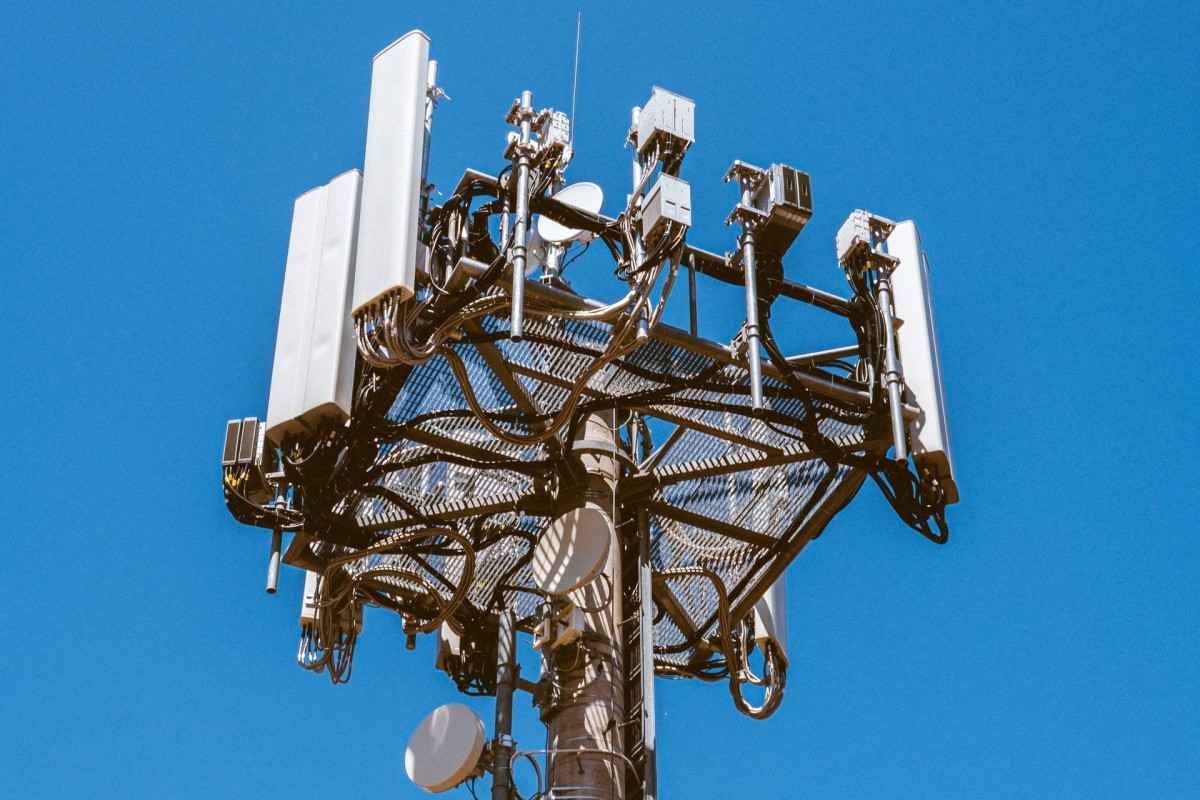
A report was launched on Paving the way for 5G readiness in India: A guide for effective policymaking on small cell deployment at a virtual webinar organised by the Cellular Operators Association of India (COAI) and GSMA today. Granting easy access to existing street furniture such as traffic lights, bus stops, street lamps, EB Power supply etc., is important to deploy 5G services in India, says SP Kochhar, DG, COAI. Q1) Why Small Cells?Small cells are low-powered cellular radio that has a range of 10 metres to a few kilometres. Small cells can be used to provide in-building and outdoor wireless service. Mobile operators use them to extend their service coverage and/or increase network capacity.
Q2) How Will the Small Cells Will be Beneficial for the TSPs & Citizens of India?Small cells are low-powered cellular radio that has a range of 10 metres to a few kilometres. Small cells can be used to provide in-building and outdoor wireless service. Mobile operators use them to extend their service coverage and satisfy the appetite for more data speeds, and capacity is driven by consumers and businesses. They will help the TSPs and citizens by to alleviate the load on microcells by augmenting the network capacity and to provide extended coverage. Secondly, to serve more users, particularly in a densely populated country like India and also maintain multi-gigabit performance, particularly in hotspots such as shopping centres, transport hubs, public facilities, and stadiums. It will provide good Quality of Service to the users. Q3) What Are Key Issues w.r.t Deployment of the Small cells in the Country?
Q4) What Are Key Requests of the Industry w.r.t Deployment of Small Cells?The following suggestions may be considered to facilitate the deployment of small cells in India:
Q5) How Do You See the Coordination Under the Gati Shakti Initiative Among Various Government Departments for the Deployment of Telecom Infrastructure?We are of the view that the Gati Shakti is a very important initiative that will help in rolling out various infrastructure projects, not only particularly for the telecom sector but also for other sectors as well. In rolling out the telecom infrastructure permissions are generally required from various agencies such as Municipalities at the State level, Central agencies like Ministry of Forest, NHAI, MoD, AAI, Metro, railways, MoUD etc. Close coordination between various such agencies /Government departments is key to expedite the permissions and early roll-out of Infrastructure. Q6) What Will Be the Impact of the EMF Exposure Due to the Deployment of the Small Cells?Typically, small cells have a relatively small coverage footprint and operate with aggressive interference management and energy-saving mechanisms (e.g. putting idle small cells to sleep). All these factors mean that small cells usually operate well below their peak transmit powers. Therefore, RM-EMF compliance boundaries typically evaluated based on peak transmit powers create overly conservative RF-EMF limits that constrain the density of small cell deployments. For facilitating the network densification, we suggest that the EMF exposure levels recently reviewed and issued by ICNIRP in 2020 be adopted in India. Ensuring Compliance with EMR guidelines Conservative RF-EMF Exposure Limits: The requirement for compliance assessment of small cells in terms of RF-EMF exposure limits may present one of the most significant barriers for rapid and sustainable network densification. This is due to the relatively larger number of small cell sites (both outdoor and indoor) that may need to undergo the assessment. Q7) What are spectrum bands to be used for small cells?Typical 5G spectrum, i.e. C band (3.5 – 4.2 GHz) and Millimetre wavebands (26 GHz, 28 GHz, etc.) Q8) Your Thoughts on Addressing Backhaul Connectivity for Small Cells?Back Haul Connectivity – OFC, Microwave, etc 5G is expected to provide "4A- anytime, anywhere, anyone, anything" connectivity, which will take mobile data speeds to new limits and will support an immense increase in connections. However, a good 5G network cannot be expected unless a high capacity backhaul is not in place. Optical fiber: Today's backhaul relies either on optical fibre or microwave radio links. Fibre has limitless capacity but pulling fibre to every cell site is practically not feasible due to cost, time and logistical challenges. Microwave: In comparison to fibre, the microwave is a cheaper, scalable option and can be deployed quickly. Moreover, the capacity of microwave link has evolved gradually over the years to meet the demand of the new generations of networks. Throughputs of 1-10 Gbps in microwave backhaul are now a reality. E & V band: Conventionally, microwave backhaul has used frequencies from the range of 6 GHz to 42 GHz. Regulators around the world are opening higher frequency bands, such as V-band (60 GHz) and E-band (70/80 GHz), to satisfy the high-capacity backhaul requirements of future networks. According to Ericsson32, E-band will satisfy the high-capacity demands of today's networks. Moreover, it will be suitable during the coming years when 5G is rolled out. Thus, it is suggested that E & V band (which provides capacity akin to fiber in the air) should be allocated for the backhaul services for Small Cells. (No comments on auction or no allocation with an auction for spectrum) Q9) Please Indicate the International Best Practices for Deploying Small Cells?Internationally, a lot of work is being done to address the small cell deployment-related issues and foster 5G development. Some of the best practices are as given below: Hong Kong: As facilitating measures for 5G deployment, the Office of the Communications Authority, Hong Kong, issued guidelines on the use of street furniture such as sheltered bus stops, public payphone kiosks and smart lampposts for installation of 5G Radio Base Stations in 2019-2020. Japan: In Japan, operators are permitted to install 5G base stations on 208,000 traffic lights across the country. Moreover, the The Japanese government has proposed that the costs of using the traffic lights for 5G deployments be shared between operators and local administrations. EU: In 2020, the EU Commission released its implementing regulation on small-area wireless access points. The Regulation provides for the following:
Egypt: In Egypt, no building permits are required for small cell deployments. The only regulatory approval required after installation is the measurement of RF exposure. This occurs only once for the lifetime of the site, whereas for a macro cell, inspections are conducted at least every two years. Singapore: The Singapore regulator Infocomm Media Development Authority (IMDA) provides a Code of Practice for Info-communications Facilities in Buildings (COPIF) specifying the duties of building owners and developers to provide adequate space, facilities, and access for telecom licensees to provide their services. These are typically the rooftop spaces reserved for telecom equipment to be provided to network operators by building developers and owners at no additional cost. UK: The UK's Electronic Communications Code facilitates operators' access to macro and small cell infrastructure on public and private land. Australia: In Australia, the Australian Communications and Media Authority (ACMA) and the Department of Communications has put policies to facilitate small cell deployments, including reductions in planning requirements for small cell deployments in the public space and the removal of barriers between license types to facilitate the re-allocation of incumbent spectrum holders. United States of America: In 2018, the FCC issued guidelines that covers fees, aesthetics, and shot clocks requirements etc. Under this, state/local fees was rationalised, and state and local governments have 60 days to decide applications for existing infrastructure and 90 days for all other small cell wireless applications. |
| Apple Mixed Reality Headset Will Have Limited Supply Posted: 06 Jan 2022 05:18 AM PST 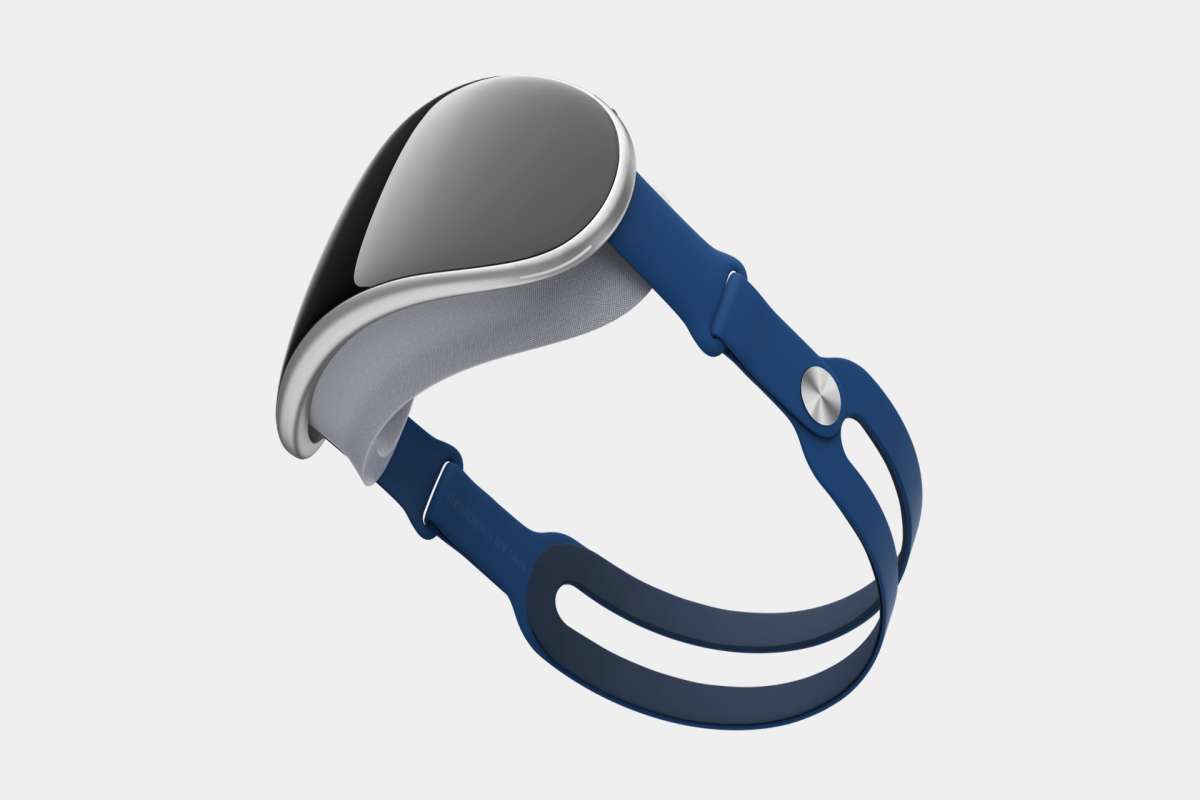 Apple might not be the first to do a lot of things, but whatever it does, you can expect class and a great overall experience. The Cupertino tech giant is expected to come out with a mixed reality headset in late 2022. According to 9to5mac, Ming-Chi Kuo, a popular tech analyst known for being accurate about Apple's plans — Apple will launch a headset in 2022, but it will come with a limited supply. Significant Shipment of Apple Headset to Not Happen Until Q1 CY23Apple is going to launch the headset at a later date than planned. Even during the launch, the headset will be available in limited quantities. However, Apple will then boost the availability by the first quarter of 2023. The reason behind this is pretty evident, and that is the constraints in the supply chain. Even the chipsets are not available very easily these days. Kuo has stated that Apple's headset will have much more advanced tech than all of its competitors. Though the exact release date of the product is unknown, it is not hard to imagine that Apple will only launch it after the release of the iPhone 14 series in September. So just like this year, Apple might hold a special event during October or November and launch the mixed reality headset. According to a rumour, the device might be priced around $3000, and that is no measly sum to pay for any consumer gadget, especially when it is a headset. Samsung and some of the other companies have already launched a headset and are into retail with that. Apple's product is expected to come with more advanced technology and will have design elements highly inspired by the Apple Watch and AirPods Max. Some reports from credible sources online suggest that there will be advanced sensors and innovative three-display configuration on the product. It will be one of the most exciting products launched by Apple in a long time. |


| You are subscribed to email updates from TelecomTalk. To stop receiving these emails, you may unsubscribe now. | Email delivery powered by Google |
| Google, 1600 Amphitheatre Parkway, Mountain View, CA 94043, United States | |


Comments
Post a Comment