${latestitem Title}
${latestitem Title} |
- Indian Users Have Shown Most Interest to Pay Premium for 5G Services: Doug Suttles, CEO of Ookla
- Jio, Airtel and Vi Offer These Prepaid Plans With Disney+ Hotstar Under Rs 600
- OTT Growth in India Depends a Lot on Broadband Connectivity
- Budget Postpaid Plans From Top Two Telcos in India
- Infinix Note 12 vs Realme 9i – Which is the Better Affordable Smartphone
- iPhone 14 or iPhone 13, What Should You Wait For
- Prepaid Tariff Hikes are Inevitable, What Should a Consumer Do
- Internet and Wi-Fi – How Are They Different?
- YouTube Introduces Multiple New Features Such as Most Replayed, Video Chapters and More
- BSNL to Not Wait Long for 5G after 4G
- OnePlus Officially Announces Premium Flagship Smartphone Featuring Snapdragon 8+ Gen 1
- Oppo Reno8 Pro Confirmed to Feature the Latest Snapdragon 7 Gen1 Processor
- JioFiber: Every Broadband Plan the ISP Offers
- Alliance Broadband Offers an Affordable 100 Mbps Plan than Airtel and BSNL
| Indian Users Have Shown Most Interest to Pay Premium for 5G Services: Doug Suttles, CEO of Ookla Posted: 22 May 2022 05:04 AM PDT
The difference between 4G-LTE and 5G speeds was, on average, between 7-10 times faster. It's impossible to say exactly how fast 5G will be for the average Indian user, given uncertainty over exact spectrum allocations and rollout plans (including the radio access network, but also improvements to backhaul and transport networks). However, it's safe to say that 5G will bring a considerable bump to speeds in the country, said Doug Suttles, CEO and Co-Founder of Ookla. 1. Do You Think the Delay in Launching 5G Can Have Any Benefits for India?There are some benefits related to the delay in India's 5G launch. Namely, the cost of 5G hardware is decreasing as the technology and vendor ecosystem is maturing. Indian operators' move to embrace Open RAN will drive network costs even lower. Another key factor is the 5G device ecosystem. 5G smartphone prices have already fallen since the technology launched. This trend will continue, spurred in India by partnerships such as Jio Platforms with Google. According to Counterpoint Research, by the end of 2022, 5G smartphones will account for almost 40% of all smartphones shipped in India. In time these numbers will translate into sales and installed base. Interestingly though, we're already seeing a growing number of results from tests taken with Speedtest that are running on 5G-capable devices in the market. The Nokia MBiT Index confirms what we're seeing here at Ookla, saying that there are already over ten million active 5G capable devices. This offers operators a good landing ground and existing customer base that they can target from day one of launch. There's also a large amount of work going on behind the scenes to help drive 5G commercialization once the spectrum becomes available. In May 2021, three operators (Jio, Airtel and Vi) were given permission to carry out non-commercial 5G trials utilizing spectrum in the mid-band (3.2 GHz-3.67 GHz), mmWave band (24.25 GHz-28.5 GHz), and the sub-1 GHz band (700 MHz), with a particular focus on developing India specific use cases. All three operators have reported fast speeds. However, 5G isn't just about the speeds. The additional time has also given operators the ability to formulate their strategy around 5G use cases and bring in an ecosystem of partners to deliver on that. For instance, Airtel rolled out #5GForBusiness to demonstrate 5G use cases for enterprises such as drone-based smart inventory, anomaly detection, connected ambulances, and surveillance. Airtel has also started to roll out 5G-ready network equipment, and Jio is testing its own 5G Open RAN solutions in several cities. 2. Compared to Other Countries, What Do You Think 5G Speeds in India Would Look Like?One of the key benefits of 5G is that it can operate over a wider range of spectrum frequencies than LTE. There's a total of 104,000 MHz spectrum for sale across low, mid and high bands. India's government plans to allocate a wide band of 370 MHz of unpaired spectrum in the 3300 MHz – 3670 MHz range (C-Band), which will offer much greater capacity than the existing spectrum used for LTE services. Assuming that operators will receive sufficient spectrum, Ookla can benchmark future 5G performance against other Asia Pacific markets that have recently launched 5G. Thailand and the Philippines both launched 5G in Q1 2020, while Indonesia launched 5G in Q2 2021. The difference between 4G-LTE and 5G speeds was, on average, between 7-10 times faster. It's impossible to say exactly how fast 5G will be for the average Indian user, given uncertainty over exact spectrum allocations and rollout plans (including the radio access network, but also improvements to backhaul and transport networks). However, it's safe to say that 5G will bring a considerable bump to speeds in the country. Examples from Speedtest Intelligence data: All data is from Q1 2022 (January 1st, 2022 – March 31st, 2022) Philippines – Q1 2020 – 5G launch Q1 2022 Data: Thailand – Q1 2020 5G launch Q1 2022 Data: Indonesia – Q2 2021 5G launch Q1 2022 Data: 3. Will Consumers Be Interested in Buying 5G Plans When They Can Be Satisfied with a Good 4G Network?For Indian consumers, 5G should represent a step-change in experience over current LTE networks, providing the bandwidth and latency to enjoy uninterrupted access to services such as high-definition video streaming, mobile gaming, and video calling on the go. This will be particularly important in mobile-first markets like India. In fact, Ericsson's ConsumerLab study finds that 5G-ready smartphone users in India already spend more time on enhanced video and multiplayer mobile gaming, and gamers predict this to increase to 7.5-8 hours/week on XR apps by 2025. In India, the majority (70%) of potential 5G early adopters expect higher speeds than 4G, with 60% awaiting pricing innovation from operators such as 5G data sharing between family members or across devices. The study also shows that Indian users have shown the largest increase in their intention to upgrade and pay a premium for 5G services. 67% of users intend to upgrade to 5G once it’s available, which is an increase of 14 percentage points over 2019. On top of that, consumers in India are willing to pay 50% more for 5G plans with bundled digital services, compared to just a 10% premium for 5G connectivity. So, while consumers may be satisfied with a good 4G network, there are many reasons why there's an interest in buying 5G plans in the market. It all depends on the wants and needs of the customer. 4. How Have the 4G Speeds Improved in the Country since the COVID-19 Pandemic Came?Our data show a clear difference in 4G network performance between the two waves of Covid in India. During the first wave, operators had to respond to a massive shift in traffic – from urban commercial centers to outskirts and residential areas in cities and from urban to rural areas – as well as a growth in traffic due to the lockdown situation. On top of that, telecom operators had to contend with disrupted supply chains and an inability, in many instances, to physically deploy network components. During the second wave of COVID-19 (Q1-Q2 2021), operators were better prepared. They were able to manage more of their network estates remotely but also increased their spectrum holdings across a variety of bands. We noticed that median download speeds in India increased from 8.52 Mbps in Q1 2020 (January 1st, 2020 – March 30th, 2020) to 10.44 Mbps in Q2 2021 (April 1st, 2021 – June 30th, 2021), while 4G Service (the % of an operator's known locations where a device has access to 4G LTE service) hit 96.0% in the same quarter, up from 93.5% at the end of 2020. 5. Do You Think India Is Going in the Correct Direction with the Infrastructure Set up for 5G? There Have Been Concerns Around Less Fiberisation of Towers and Row Issues; What Are Your Views on That?Indian networks rely heavily on terrestrial wireless backhaul solutions. While fiber penetration in backhaul networks is increasing, according to the DoT, just around 34% of mobile towers are connected with fiber. India's not alone in facing this challenge. The GSMA estimates that while the global share of wireless backhaul is falling, it will still represent a majority (57.1%) of backhaul connections by 2025. There are various challenges related to laying fiber, including access to the right of way, complex procedures, and availability of stable power. In October 2021, India’s Department of Telecommunications (DoT) revised the Indian Telegraph Act Right of Way (RoW) rules, which makes it easier to install aerial optical fiber cable in the country. To circumvent digging into the streets to lay fiber, the idea of deploying overhead fiber on street furniture such as light poles and traffic lights has been put forward. Pilot projects are underway in a few locations, such as Delhi airport. TRAI has also published a consultation paper on using street furniture for small cell and aerial fiber deployment. The findings from the pilots will help to inform the regulatory and policy framework. This, in turn, will help operators in deploying the required infrastructure for the upcoming 5G rollout. 6. Is Private 5G for Enterprises Something That Ookla Would Stand Behind Because TRAI Certainly Does, What Are Your Views?Ookla recently published an analysis on the case for private networks in India. Our view is that the recent recommendation from the Telecom Regulatory Authority of India around providing an enabling framework for enterprises to build their own private networks is in line with other 5G markets, where governments are looking to drive the digitization of key industries. However, Indian operators see this as limiting their return on investment in the 5G spectrum. Looking at the example of private networks across Europe and Germany in particular, we believe that Indian telcos shouldn't see TRAI's proposal as a threat. Rather, they should use the buzz around the spectrum for verticals as a way to get enterprises interested in digitalization. The key to unlocking this opportunity is leveraging existing credentials and forming partnerships to go beyond core competencies to open up new markets for operators. Partners' ecosystem is key, and to be successful, operators need to partner across the ecosystem. As enterprises' needs vary, having a broad portfolio of vendors that can address various verticals, technological, and coverage needs will only stimulate the growth of the market. Indian telcos have already embarked on this journey. Airtel has partnered with Tech Mahindra for a joint 5G innovation lab to develop "Make in India" use cases for the local and global markets, including customized enterprise-grade private networks. These services will combine Airtel's integrated connectivity portfolio of 5G ready mobile network, fiber, SDWAN, and IoT along with Tech Mahindra's SI capabilities. Meanwhile, Vodafone Idea joined forces with A5G Networks to enable industry 4.0 and smart mobile edge computing in India. They have jointly set up a pilot private network in Mumbai using the existing 4G spectrum. 7. Do You Agree With the Reserve Price Recommendations From TRAI?According to the GSMA, Indian operators’ spectrum holdings are lower than those in comparable economies due to a high reserve pricing. Affordable pricing is essential to stimulate network investments and cater to the socio-economic needs of the country. It's not surprising that the affordability of the 5G spectrum is one of the key discussion points around 5G in India, especially since during the recent auction in March 2021, a large proportion (62%) of available spectrum remained unsold. Following the consultation on the pricing of the spectrum and the methodology for determining the pricing, the Department of Telecommunications accepted TRAI's recommendation to decrease the 5G spectrum reserve prices. TRAI recommended a 36% cut in the reserve price for the prime 5G frequency of 3.3 to 3.67 GHz band for pan-India use. Our analyst team here at Ookla did some research, and the reduced reserve price is INR 3170 million ($41.31 million per MHz), which is still priced at a premium when compared to markets that have already auctioned a similar spectrum – for example, $23m per MHz in Italy, $10m in France, and $1m in Portugal. Mobile operators are requesting a further reduction in pricing to bring the spectrum pricing in line with other markets. 8. How Ookla Can Help Operators and Enterprises in Informed Business Decision Making While Also Improving Customer Experiences?Ookla's enterprise solutions support operators at every stage of the network lifecycle, from planning and building to testing and monitoring, to marketing the performance and availability of their networks to consumers. Combining billions of crowdsourced Speedtest measurements with controlled drive and walk testing, we help operators understand the performance, coverage, and quality of their networks — benchmarked against competitors over time. With our Spatialbuzz platform, operators can improve customer experience by combining data from digital customer engagement with device radio measurements in order to prioritize network improvements where they matter most to consumers. By detecting areas of customer network issues, operators can focus efforts where they will directly improve customer satisfaction. Ookla's wildly popular Downdetector websites track consumer-reported issues with operators and other popular service providers in over 45 countries worldwide, including India. Downdetector Enterprise can help operators understand the scale, duration, and locations of a network outage or service issue — as well as provide insight into third-party issues that impact the customer network experience, such as when an OTT messaging app or social media platform goes down. 9. What Are Some of the Solutions That Ookla Has That Can Address Some of the Pressing Issues of Telcos Today?Ookla provides operators with the tools to analyze, optimize, and publicize their networks. Drawn from billions of measurements from consumer devices, Speedtest Intelligence provides comprehensive insights on virtually every fixed and mobile network worldwide. With information on network performance, coverage, consumer sentiment, video experience, and competitive benchmarking, operators can compare network metrics by historical period, chipset, device, and other key variables. Using Cell Analytics, operators can prioritize network improvements by analyzing where users are connected but receiving a poor signal. Operators can also benchmark network metrics against their competitors and monitor the status of 5G rollouts. We've put together a report that looks at the use case where RAN engineers are using Cell Analytics data to prioritize engineering efforts and make no-cost or low-cost improvements to the network. In addition to crowdsourced network insights, we also provide operators with solutions for controlled network testing. Crowdsourced insights allow an operator to scan wide areas and then perform surgical testing with Ookla Wind, our handset-based testing solution for monitoring live events, 5G rollouts, and faster site verification. |
| Jio, Airtel and Vi Offer These Prepaid Plans With Disney+ Hotstar Under Rs 600 Posted: 22 May 2022 01:58 AM PDT
All three telecom operators in the country offer a variety of prepaid plans and have also added new plans. Some of these plans come with subscriptions to Disney+ Hotstar OTT platforms. If you are looking for affordable options, all the telcos have something to offer. In this article, we are going to take a look at the Disney+ Hotstar Prepaid Plans offered by Jio, Airtel and Vi along with pack details that cost less than Rs 600. Plans From JioThe first plan on the list offered by Jio comes at a price tag of Rs 333 which offers 1.5GB of data per day for a validity period of 28 days. The plan provides unlimited voice calls and 100 SMS/day along with a subscription to Disney+ Hotstar worth Rs 149 for a period of three months. The next plan from Jio is one of the popular plans and comes at a price tag of Rs 499. Rs 499 plan from the telco comes with 2GB of data per day for a validity period of 28 days. The plan offers unlimited voice calls and 100 SMS/day. Users also get a free subscription to Disney+ Hotstar worth Rs 499 for a year. Lastly, the leading telecom operator provides a prepaid plan at a price tag of Rs 583 which provides 1.5GB of data per day for a validity period of 56 days. The pack offers unlimited voice calls and 100 SMS/day along with a subscription to Disney+ Hotstar worth Rs 149 for a period of three months. All the mentioned plans from Jio come with access to a few Jio applications. Airtel Prepaid PlansThe cheapest Disney+ Hotstar plan from Airtel comes at a price tag of Rs 399 which offers 2.5GB of data per day for a validity period of 28 days. The plan provides unlimited voice calls and 100 SMS/day along with a subscription to Disney+ Hotstar worth Rs 149 for a period of three months. Next, Airtel also offers a prepaid plan for a price tag of Rs 499. Rs 499 plan from the Airtel comes with 2GB of data per day for a validity period of 28 days. The plan offers unlimited voice calls and 100 SMS/day. Users also get a free subscription to Disney+ Hotstar worth Rs 499 for a year. Lastly, Airtel has a 3GB daily data plan that comes at a price tag of Rs 599. The plan offers 3GB of data per day for a validity period of 28 days. The plan provides unlimited voice calls and 100 SMS/day along with a subscription to Disney+ Hotstar worth Rs 499 for a year. Vodafone Idea PlansUnlike the other two telecom operators, Vodafone Idea or Vi only offers one plan priced under Rs 600. The plan is quite similar to the other two telcos. Vi offers a prepaid plan for Rs 499 that comes with 2GB of data per day for a validity period of 28 days. The plan offers unlimited voice calls and 100 SMS/day. Users also get a free subscription to Disney+ Hotstar worth Rs 499 for a year. However, Vi has a plan that costs just above Rs 600. For Rs 601, users can get 3GB of data per day for a validity period of 28 days. The plan provides unlimited voice calls and 100 SMS/day along with a subscription to Disney+ Hotstar worth Rs 499 for a year. Moreover, the plan also offers 16GB of additional data. |
| OTT Growth in India Depends a Lot on Broadband Connectivity Posted: 21 May 2022 11:33 PM PDT
There's one thing for sure, without last-mile connectivity, the growth of OTT (over-the-top) in India will be fairly limited. Right now, India has a long way to go with developing sufficient infrastructure to provide connectivity in every nook and corner. The government is driving the BharatNet project to enable broadband connectivity in rural panchayats of India at a fast pace, but it will still take some time before the internet reaches everywhere in the country. Even the RoW (right-of-way) issues have slowed down the deployment of OFC (optical fiber cable) and other infrastructure, due to which internet connectivity has not been able to reach every part of India. OTT platforms work via the internet. For users to stream at the highest quality possible, they need a strong and stable internet connection. That is currently not available in most rural parts of the country. In fact, even the outskirts of major cities don't get a proper internet connection. Broadband Needs to Reach Everywhere in IndiaIndia is a goldmine for the OTT platforms. The data rates are very cheap compared to global markets, and the potential of new customers that they can add in the next five years is in hundreds of millions. More and more OTT platforms are emerging from the ground and trying to compete with global dominators such as Disney+ Hotstar, Amazon Prime Video, and Netflix. The thing is, in India, users are tired of paying heavy charges to DTH (Direct-to-Home) players who don't even serve content on demand. With OTT platforms, there's no trouble with NCF (Network Capacity Fee) which is really a good thing for the users. The DTH operators are still running on a decade-old business model. Tata Sky has been adopting a fresh way, but the satellite TV business is not going to be here forever, and most of us know that by now. The future is of services which provide bundled OTT subscriptions with a broadband connection. |
| Budget Postpaid Plans From Top Two Telcos in India Posted: 21 May 2022 06:27 PM PDT
The telecom operators in the country offer both prepaid plans and postpaid plans for their users across the country. When it comes to postpaid plans, it may seem that they are heavily priced, however, the telecom operators do offer plans that are suitable for budget consumers. However, when it comes to the budget plans Jio and Airtel both offer a good one. Mentioned below are the most affordable postpaid plans offered by Jio and Airtel along with the pack details. Reliance Jio Budget Postpaid PlansThe leading telecom operator Reliance Jio offers budget postpaid plans with some amazing added benefits. The most affordable offering from the telco comes at a price tag of Rs 199. Jio offers a total of 25GB of data at a cost of Rs 199 per month. After the completion of 25GB of data, users can get access to the internet at Rs 20 per GB. The plan also offers unlimited calls and 100 SMS/day. However, the most popular affordable plan from Jio comes at a price tag of Rs 399. For Rs 399, Jio offers a total of 75GB of data per month after which users can access the internet at Rs 10/GB. The pack offers data rollover of 200GB as well as unlimited voice calls and 100 SMS/day. In addition to this, despite being a low-cost plan, Jio offers multiple OTT subscriptions along with this plan. Users can get access to popular platforms such as Netflix, Amazon Prime Video and Disney+ Hotstar. The plan also comes with complimentary access to a few Jio applications. Bharti Airtel Affordable OfferAirtel postpaid plans are one of the country's most efficient networks and reach the remotest corner of India. Airtel offers 4G plans with a lot of amazing benefits. The cheapest plan offered by the telco is Infinity Family Plan 399. Airtel offers a postpaid plan at a price tag of Rs 399 per month which provides 40 GB monthly data with rollover up to 200 GB along with unlimited calls. The unlimited calls include local, STD and roaming. In addition to this, users also get 100 SMS per day. Users only get 1 regular SIM along with this plan. Even though it is the cheapest postpaid plan from Airtel, the telco does offer some Airtel Thanks rewards with the plan. Users can get one year of access to Shaw academy along with Airtel X-stream App premium and Wynk as well as Juggernaut books. |
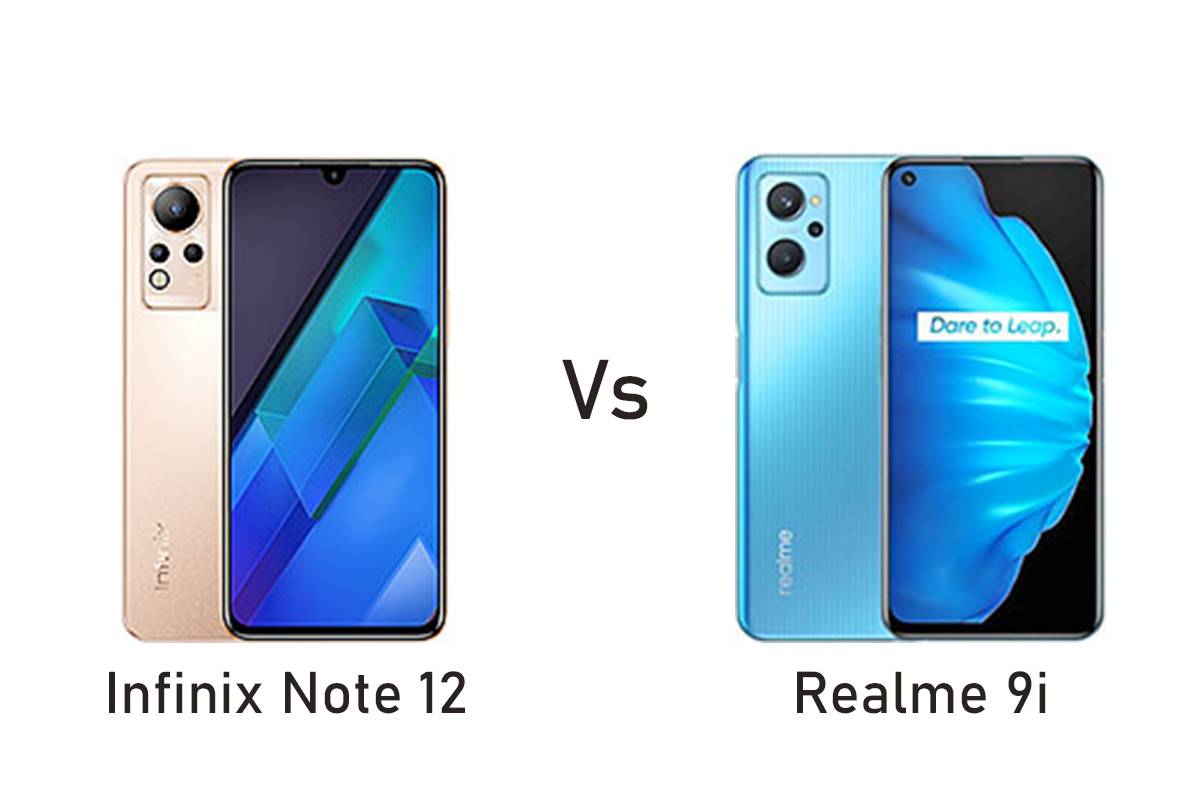
| Infinix Note 12 vs Realme 9i – Which is the Better Affordable Smartphone Posted: 21 May 2022 08:10 AM PDT
The Hong-Kong based manufacturer launched its new budget smartphone Infinix Note 12 in India yesterday. Considering the price range of the smartphone, Infinix Note 12 is all set to compete with the affordable models from Xiaomi and Realme. However, in this article, we are particularly going to take a look at how it compares with Realme 9i which was launched earlier this year with somewhat similar specifications. Mentioned below is a detailed comparison between Infinix Note 12 and Realme 9i to determine which is a better affordable option. Infinix Note 12 vs Realme 9i – DisplayInfinix Note 12 has been launched with a 6.7-inch full-HD+ AMOLED display with a 20:9 aspect ratio. The display of the device has a 60Hz refresh rate, 180Hz touch sampling rate, 1000nits peak brightness and Corning Gorilla Glass 3 for protection. Realme 9i on the other hand comes featuring a 6.6-inch Full HD+ IPS LCD display and a 90Hz refresh rate with up to 400nits brightness. The device from Realme lacks an AMOLED display giving Realme 9i an upper hand. Infinix Note 12 vs Realme 9i – Performance and OSThe new Infinix Note 12 arrives with a MediaTek Helio G88 chipset capable of up to 2GHz clock speed. The processor on the device is coupled with up to 6GB of RAM and up to 128GB of internal storage. Note 12 operates on Android 11-based X OS 10.6 with an Android 12 update scheduled for August. Realme 9i on the other hand features a Snapdragon 680 chipset based on the 6nm processor combined with the usual 6GB of LPDDR4X RAM which is virtually expandable up to 11GB. Additionally, the handset also features onboard storage of 128GB that can be expanded up to 1TB via a microSD card. The device runs on Realme UI 2.0 based on Android 11. Infinix Note 12 vs Realme 9i – Camera Specs and BatteryInfinix Note 12 comes with a triple rear camera setup headlined by a 50MP primary camera along with a 2MP depth sensor and an AI lens. The front of the smartphone has a 16MP selfie camera. The device is backed by a 5000mAh battery with support for 33W fast charging. Realme 9i features a triple rear camera setup headlined by a 50MP primary camera with Phase Detection Autofocus (PDAF) along with a 2MP macro camera and a 2MP monochrome camera for portrait images. The front of the device features a 16MP selfie snapper. Realme 9i is backed by a 5,000mAh battery and supports 33W fast charge technology as well. Infinix Note 12 vs Realme 9i PriceInfinix Note 12 has been launched in India at Rs 11,499 for the 4GB RAM + 64GB storage model and Rs 12,999 for the 6GB RAM + 128GB storage variant. The handset will be available in Force Black, Jewel Blue, and Sunset Gold colour options. Realme 9i has comes at a price tag of Rs 13,999 for the base 4GB + 64GB storage variant, the 4GB+128GB variant costs Rs 14,999 and the model with a 6GB + 128GB storage configuration has been priced at Rs 15,999. The device will be available in two distinct colours – Prism Black and Prism Blue. |
| iPhone 14 or iPhone 13, What Should You Wait For Posted: 21 May 2022 07:19 AM PDT
iPhones are the most popular ultra-premium smartphones globally. Currently, the iPhone 13 series is the latest one from Apple, but very soon, iPhone 14 series will also arrive. Apple is expected to launch the iPhone 14 series around the 37th week of 2022, and the probable date of launch is September 13, 2022. But the question is, should you wait for the iPhone 14 series, or should you go for the iPhone 13 series, which is available at a reduced price right now? Well, here are a few things you have to consider here. iPhone 14 Will be Slightly Higher PricedThe iPhone 14 series is expected to come with a new Max variant. It is also expected to be slightly more expensive than the current iPhone 13 base variant. For the Pro models, the rumour is that they will be $100 more expensive than the iPhone 13 Pro models. For people who are not worried about the price a lot, the difference in specifications might not be too great either. This time, only the Pro models are expected to come with the A16 Bionic chips while the normal iPhone 14 devices, including the Max variant, are expected to feature the A15 Bionic chip that is already packed on the iPhone 13 series. The thing is, if you have an urgency to buy a smartphone and you need a new iPhone, the iPhone 13 series could be a good option. But if you can wait for a little, the iPhone 14 series launch is also not far away. It is also worth noting that the iPhone 13 series would be even more discounted after the launch of the iPhone 14 series. The same happened with the iPhone 12 series when the iPhone 13 series launched. Further, users can also count on the festival discount that iPhones get during October or November every year on e-commerce platforms such as Flipkart and Amazon. |
| Prepaid Tariff Hikes are Inevitable, What Should a Consumer Do Posted: 21 May 2022 06:19 AM PDT
The telecom sector of India has been in a sort of fix for some time now. The growth is there, but just not enough for every telco to perform well. Jio and Airtel are the only profitable telecom operators right now. To get themselves in a better position and make better returns out of their huge investments, the telcos are aiming for multiple prepaid tariff hikes. One has already come during December 2021, and another is expected to arrive by the end of 2022. This will help the telcos in increasing their ARPU (average revenue per user) figure significantly from where it stands today. But as a consumer, what should you do to protect yourself from price hikes? What Should Consumers Do During Prepaid Tariff Hikes?As a consumer, there isn't a lot you can do when all the private telcos increase the price of their services. But as a rational consumer, what you can do is find the best telco to purchase services from because if you are already spending more, why not do it for good services. To protect yourself, you can charge multiple times in advance with your telecom operator at the current rates. See, the telcos don't just increase the price of their plans overnight. They give the consumers plenty of time before they do that. Consumers can recharge in advance with all the operators. This is called plan queuing. Note that queuing works differently with each operator. Jio is one operator that offers services at the lowest cost compared to other private telcos, and in addition to that, the telco also offers unlimited plan queuing service. But doing it unlimited times doesn't make sense. What if you had to change your network service provider from Jio to Airtel? If you port out of your Jio number, all your money spent on queuing is wasted. Thus, be rational, and don't worry about spending a little more on mobile plans in the future against quality services. |
| Internet and Wi-Fi – How Are They Different? Posted: 21 May 2022 06:12 AM PDT
We are all very well acquainted with the words – internet and Wi-Fi and as a matter of fact, most of the time we use it for the same purpose. We use these words as if they are interchangeable and tend to forget that the internet and Wi-Fi are two separate things. Internet is actually the transmission of data done using the high-speed internet whereas Wi-Fi uses radio frequencies and signals to transfer data without wires. Let's take a look at what internet and Wi-Fi mean so that we can use the words correctly and get our basics right. Internet and Wi-Fi – What Do They Mean?Internet is a term that refers to wide bandwidth data transmission. To put it in simpler words if the internet is data being transmitted between two devices, then in this case it is the pass way on which that data is moving. The Internet makes use of multiple lines to transmit a lot of data rather than a single line used by old dial-up connections. Internet connections can be of various types such as ASL, DSL, Cable, Fiber and more, however, what's common is that all the technologies have the same purpose of providing high-speed internet to their users. So far, the fibre technology is the best we have come with which offers seamless connectivity to the users using high bandwidths. Talking about Wi-Fi, it is a technology that makes use of radio frequencies and signals to receive and send information wirelessly between two devices. Hence, Wi-Fi is only one of the means through which the internet can be accessed wirelessly. All Wi-Fi connections work on two frequency bands – 2.4 GHz and 5 GHz. For longer distances and lower bandwidth, 2.4 GHz frequency is utilised whereas for the shorter distance and larger bandwidth 5 GHz is used. So to put the difference between the internet and Wi-Fi in terms that we can easily understand, the internet is a type of internet connection given by your internet service provider whereas Wi-Fi is one of the technologies that allow us to connect to the Internet to access the internet. For instance, a LAN cable can be used to access the internet by connecting the router to the device, however, Wi-Fi gives us an option to wirelessly get access to the internet. |
| YouTube Introduces Multiple New Features Such as Most Replayed, Video Chapters and More Posted: 21 May 2022 04:12 AM PDT
California headquartered video sharing and social media platform YouTube has added a bunch of new features on its mobile application and web player. These newly introduced features include Most Replayed, Video Chapters and Seek to Exact Moment among others. The most replayed feature is particularly unique as it will now allow users to find the most popular parts of the video they are watching. Let's take a detailed look at the new features introduced by YouTube. The Newly Launched Features on YouTubeYouTube had previously released the Most Replayed feature as an experiment only for premium users. But now the company has announced the feature for all the users of the application whether they are using from iOS, Android or desktop. YouTube has added a graph to its video player to show the most replayed parts of a video. Using this graph, viewers can easily scroll through the whole video to find the most played parts. To access this graph, YouTube users will have to go through the video using the red playback progress bar. The thumbnail over the progress bar will also notify users when they hit the segment that has been "Most replayed." Talking about the other features, YouTube has introduced Video chapters. For those unaware, this segmenting tool was originally launched in May 2020 for Smart TVs and gaming consoles. YouTube's Chapter tool allows users to jump forward to a particular section of a video or even rewatch that section. Another feature launched by YouTube is the Single Loop. According to the company, the Single Loop feature will enable users to loop through a single video endlessly. This feature can be accessed from the same settings option where you change video quality, subtitles and more. Moreover, changes have been made to the full-screen mode as it will now display the video description, video chapters and comments. Lastly, without revealing much, YouTube has announced a new feature called Seek to Exact Moment which will be initially only available to the premium users of the platform. The feature as understandable by the name will enable users to go to the exact moment in the video they are interested in. |
| BSNL to Not Wait Long for 5G after 4G Posted: 21 May 2022 02:31 AM PDT
Bharat Sanchar Nigam Limited (BSNL) will not wait very long to switch to 5G after launching 4G services. For 5G NSA, a 4G core is required, and BSNL might just be looking at that only. Pravin Kumar Purwar, Chairman and Managing Director (CMD) of BSNL, said that the telco's 4G service would be launched in August 2022 on a short scale. But by the end of the year, BSNL would have expanded its 4G networks to multiple parts of the country. The problem with BSNL so far has been that the telco isn't very competitive in conducting business. While the other telecom operators are shifting to 5G, BSNL is still selling 2G and 3G services. This is something that the CMD of the state-run telecom company understands. BSNL Ordered 6400 Towers for 4GBSNL has received the spectrum for providing 4G services from the government, and the telco has also ordered 6400 towers for launching 4G. According to a report from the NewIndiaExpress, BSNL will order another 6000 towers in the next 15 to 20 days. By the end of 2022, BSNL would have set up 1.5 lakh 4G sites across the nation, said Purwar. After rolling out 4G, BSNL will get on with the process of rolling out 5G. As per some old developments, we could see BSNL's 5G as early as 2023. The Department of Telecommunications (DoT) had also instructed the Telecom Regulatory Authority of India (TRAI) to reserve some 5G spectrum for BSNL as well. If things stay on track for BSNL, its 4G launch should happen at a wide scale by the end of this year, and the 5G launch could come by 2023. This would be a great boost to the telecom sector of India as well and increase the competition in the market, which will benefit the customers only. |
| OnePlus Officially Announces Premium Flagship Smartphone Featuring Snapdragon 8+ Gen 1 Posted: 21 May 2022 12:13 AM PDT
The popular smartphone maker OnePlus which is known for its value for money smartphones has announced that the company will be launching a new top-of-the-line premium smartphone in the third quarter of 2022 which will come featuring Qualcomm's newly revealed Snapdragon 8+ Gen 1 processor. The brand made the announcement via its social media account on the Chinese microblogging site Weibo. OnePlus informed that it is amongst the first companies to receive the Snapdragon 8+ Gen 1 chipset. Smartphones With Snapdragon 8+ Gen 1 in 2022It seems like OnePlus is continuing to follow the same market strategy since 2021 where it reveals one feature at a time for a continuous period of time to build the hype around its smartphone before the launch. OnePlus hasn't revealed the name of its next premium flagship smartphone yet. Previous reports have suggested that the OnePlus 10 Ultra is in the works that might feature Snapdragon 8+ Gen 1 processor. Although since the device is launching in the second half of 2022, we could witness a OnePlus 10RT, OnePlus 10T or OnePlus 10T Pro instead. Notably, other than OnePlus, only Asus and Realme are the two brands that are known to be launching a new smartphone featuring the Snapdragon 8+ Gen 1 chipset in 2022. Realme has announced that it will launch a high-end smartphone called Realme GT 2 Master Explorer Edition and will become the first company to bring Snapdragon 8+ Gen 1 to the market. On the other hand, Asus announced its ROG Phone 6 series will be the world's first gaming smartphone to feature the Snapdragon 8+ Gen 1 SoC. Snapdragon 8+ Gen 1 delivers ultra-smooth responsiveness, colour-rich HDR scenes at the highest visual quality, and desktop-level capabilities allowing for an amazing gameplay experience. The Snapdragon 8+ Gen 1 is coupled with an upgraded Adreno GPU enabling up to 10% faster speeds and 30% power reduction. In addition to this, the Snapdragon 8+ Gen1 features technologies like 8K HDR video and is capable of capturing in the premium HDR10+ format allowing for significantly improved videography on smartphones. |
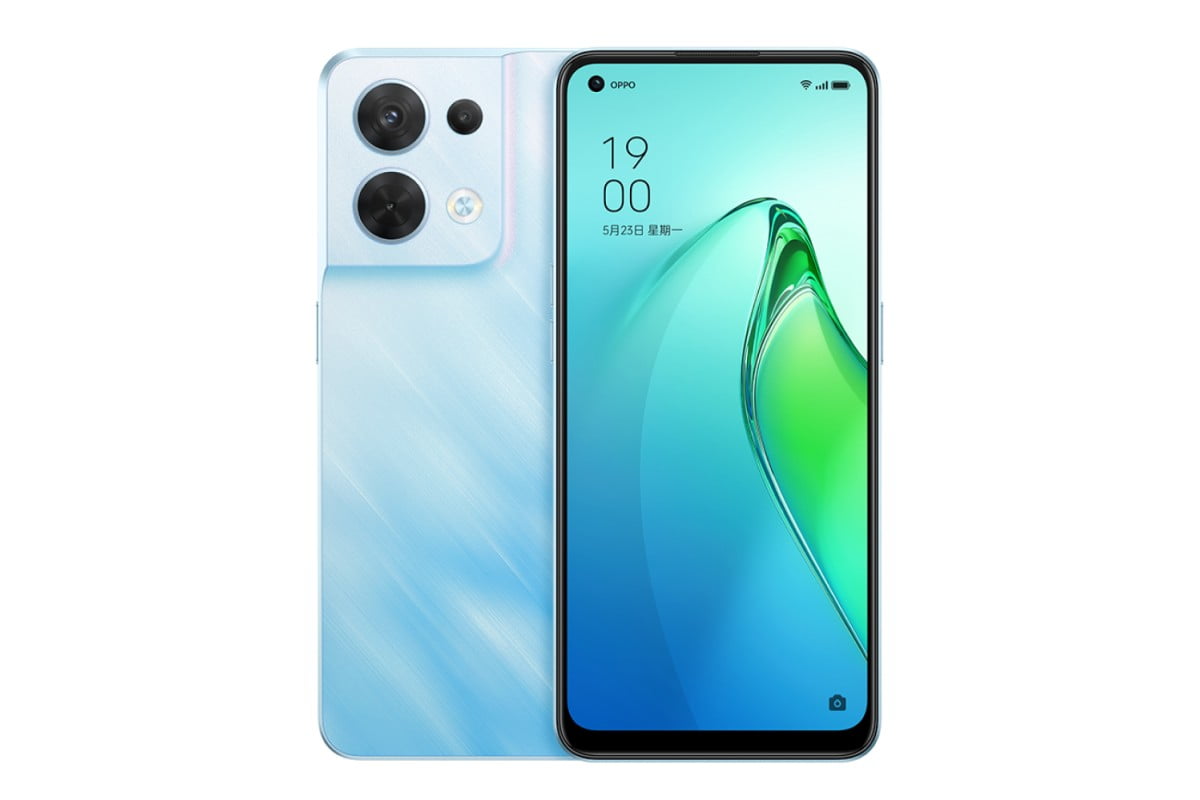
| Oppo Reno8 Pro Confirmed to Feature the Latest Snapdragon 7 Gen1 Processor Posted: 20 May 2022 10:35 PM PDT
The Chinese smartphone maker Oppo is all set to introduce its Oppo Reno8 series of smartphones on May 23 in China. The series will consist of OPPO Reno8, Reno8 Pro, and Reno8 Pro+ smartphones. Now in the latest development, Oppo has announced that the Reno8 Pro model in the series will come featuring the latest chipset from Qualcomm – the Snapdragon 7 Gen1 which was launched just yesterday. Let's find out more. The Processors in Oppo Reno8 SeriesOppo took on its account on the microblogging website Weibo to share a poster which confirms that the Oppo Reno8 Pro will come featuring the Snapdragon 7 Gen 1 processor. The newly launched Snapdragon 7 Gen 1 SoC has been built on Samsung's 4nm process that ensures up to 20%higher GPU performance and up to 30% faster AI processing performance than the previous generation. Snapdragon 7 Gen 1 features a Qualcomm Spectra triple ISP, enabling users to shoot simultaneously from three cameras. The Snapdragon 7 Gen 1 comes with a dedicated Trust Management Engine and Android Ready SE which particularly focuses on the safety and protection of users’ information. In addition to this, the company will also feature its self-developed MariSilicon X ISP imaging chip in one of the smartphones in the Reno8 lineup. This processor was first launched in the Oppo Find X5 Pro smartphone. According to the brand, its imaging chip has the capabilities to significantly enhance the camera performance of the Reno8 series handsets. The chip can optimize pictures, improve system computing power, and enhance lowlight photos. Oppo Reno8 Pro SpecsTalking about the Oppo Reno8 Pro, the smartphone is expected to arrive with a 6.43-inch FHD+ AMOLED display with up to a 120Hz refresh rate. The device will have a punch-hole cutout at the top left corner housing the selfie camera. Oppo Reno8 Pro's camera specs are yet to be revealed, however, there will be a triple camera setup on the back. The pre-order listing of the smartphone has confirmed that it will be available in 8GB + 128GB and 8GB + 256GB RAM storage configurations. The device will have an in-display fingerprint scanner. Oppo Reno8 Pro will be available in Clear Sky Blue, Slightly Drunk (machine-translated), and Night Tour Black colour options. |
| JioFiber: Every Broadband Plan the ISP Offers Posted: 20 May 2022 08:44 PM PDT
India's leading internet service provider (ISP) Jio offers a ton of broadband plans under JioFiber. The efficient services and reliable connectivity offered by JioFiber make it one of the preferable options to choose from. The company has plans for everyone, from cheap plans for budget users to high-end plans that can support corporate structures. In this article, we are going to take a look at all the broadband plans available under the portfolio of JioFiber along with pack details. 30 Mbps Plan from JioThe cheapest plan offered by Jio offers a connectivity speed of 30 Mbps. JioFiber provides the 30 Mbps internet speed data plan at the price of Rs 399 per month. The FUP limit set on this plan is 3300Gb or 3.3TB. Using the 30 Mbps plan from JioFiber, customers can get access to smooth and seamless internet across multiple devices. There are no OTT benefits included with the plan but is suitable for users looking for a cheap plan. JioFiber 100 Mbps PlanOne of India's most reliable service providers, JioFiber offers a 100 Mbps internet speed data plan at the price of Rs 699 for a validity period of 30 days. The FUP limit set on this plan is 3300GB or 3.3TB. Users get access to symmetrical upload and download speeds of 100 Mbps with this plan. 150 Mbps Plan from Reliance JioJio offers a 150 Mbps broadband plan that comes with access to a few OTT Platforms. JioFiber offers a 150 Mbps internet speed data plan at the price of Rs 999 for a validity period of 30 days. The FUP limit set on this plan is 3300Gb or 3.3TB. Users get access to symmetrical upload and download speeds of 150 Mbps with this plan. The plan is listed as a popular plan on the website and offers subscriptions to 15 OTT platforms including yearlong access to Amazon Prime Video, Disney+ Hotstar, Eros Now and more. 300 Mbps Plan from JioJioFiber offers an appealing 300 Mbps plan that comes with amazing additional benefits. The plan offered by JioFiber comes at a price tag of Rs 1,499 per month (30 days) and offers 300 Mbps of internet speed with a FUP data limit of 3.3TB or 3300GB. The plan also offers unlimited calling and an equal upload and download speed set at 300 Mbps. Jio additionally offers a ton of OTT subscriptions which include access to Netflix, Amazon Prime Video, Disney+ Hotstar and thirteen others. JioFiber 500 Mbps PlanWhen it comes to a 500 Mbps plan JioFiber has a pack that comes with multiple benefits. JioFiber offers a 500 Mbps plan at a cost of Rs 2,499 per month. The plan offers a symmetrical upload and download speed of 500 Mbps and provides seamless connectivity across multiple devices. In addition to this Jio offers various OTT subscriptions which include access to Netflix, Amazon Prime Video, Disney+ Hotstar and thirteen others. Jio Offers Two 1 Gbps PlansWhen it comes to 1 Gbps plans JioFiber offers two plans with different data limits. The first plan offered by JioFiber comes at a price tag of Rs 3,999 per month (30 days) and offers 1 Gbps of internet speed with a FUP data limit of 3.3TB or 3300GB. The other 1 Gbps plan from JioFiber comes at a cost of Rs 8,499 for a validity period of 30 days and offers 6600GB of total data. Both of these plans offer unlimited calling and an equal upload and download speed set at 1 Gbps. Jio also offers multiple OTT subscriptions which include access to Netflix, Amazon Prime Video, Disney+ Hotstar and thirteen others. |
| Alliance Broadband Offers an Affordable 100 Mbps Plan than Airtel and BSNL Posted: 20 May 2022 06:39 PM PDT
With the rising demand for connectivity, the number of broadband connection options has also increased. There are a number of internet service providers (ISPs) in the country that may offer the same broadband plan with different benefits, putting the users in the dilemma of choosing. In this article, we are going to take a look at the 100 Mbps plans offered by BSNL and Airtel along with one of the lesser-known service providers in India – Alliance Broadband. Mentioned below are the 100 Mbps broadband plans offered by Alliance, Airtel and BSNL and surprisingly, the plan from Alliance is cheaper than the other two ISPs when it comes to pricing. Alliance Broadband 100 Mbps PlanAlliance broadband offers a 100 Mbps plan called ENTRY which is the most basic plan in its portfolio. The ENTRY plan offers 100 Mbps of connectivity speed at a price tag of Rs 700 per month. The pack comes with access to three-month Amazon Prime along with other OTT platforms such as Eros Now, Zee5 Premium, Sony LIV and more. Users can also pay the charges for six months upfront with this plan. The 'Standard' Pack from AirtelAirtel Xstream Fiber can provide high-speed internet up to 1 Gbps, however, the telco offers some comparatively affordable plans with effective internet speed. Fibre Optic internet connection Airtel allows one of the fastest broadband connections and is highly reliable. Users can get access to the 'Standard' pack which provides 100 Mbps of internet speed at a monthly cost of Rs 799 exclusive of taxes. Users get 3.3TB or 3300GB of monthly fair-usage-policy (FUP) data with this plan. 100 Mbps Broadband Plans from BSNLThe state-owned telco BSNL under Bharat Fibre Broadband provides exciting plans for its users who want to opt for 100 Mbps of internet speed. BSNL actually offers two 100 Mbps plans namely, SuperStar Premium-1 and Fibre Value plan. SuperStar Premium-1 and Fibre Value plans provide 100 Mbps of internet speed at the cost of Rs 749 and Rs 799 per month respectively. FUP data limit set on the SuperStar Premium-1 plan is 1000GB whereas on the Fibre Value plan is 3300GB. It is to be kept in mind that all these packs are exclusive of GST and customers can also get an annual 100 Mbps pack for Rs 9,588. The SuperStar Premium-1 plan also comes with access to a few OTT platforms. |








| You are subscribed to email updates from TelecomTalk. To stop receiving these emails, you may unsubscribe now. | Email delivery powered by Google |
| Google, 1600 Amphitheatre Parkway, Mountain View, CA 94043, United States | |


Comments
Post a Comment