${latestitem Title}
${latestitem Title} |
- Rocketry Official Release Date on OTT
- Airtel Helps DoT with ORAN Based 5G Trial
- Redmi Launches Redmi K50i 5G and Redmi Buds 3 Lite in India
- Vivo T1x at Very Affordable Price With Snapdragon 680 SoC Launched in India
- OTT Viewership Is Dominated by Hindi Despite a Regional Effort
- 5G AIoT Market to Grow Exponentially, Market to Catch Momentum in 2023
- Viavi Will Showcase Test Solutions for Accelerating Fibre Rollout in India
- Smartphones Mostly Come with 6-inch Screen Size and More Now
- Space Based Mobile Network Services Not Far Now
- Reliance Jio Prepaid Packs Termed Value by the Company
- Vodafone Idea Board to Meet on July 22, 2022, Check Why
- Airtel, Jio and Vodafone Idea: Band Wise Spectrum Expiry Analysis
- OnePlus 10T 5G Launch Date in India Leaked
| Rocketry Official Release Date on OTT Posted: 20 Jul 2022 04:33 AM PDT
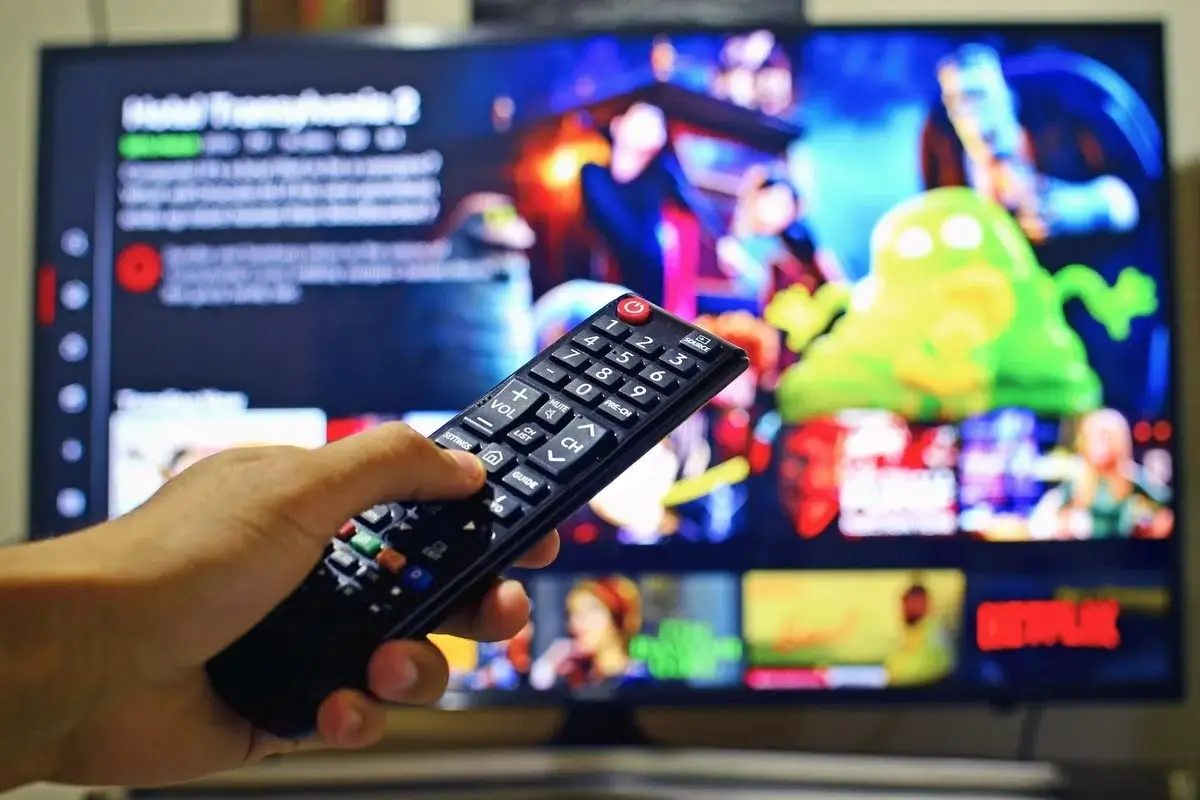
The experimental movie Rocketry starring seasoned actor Madhavan premiered in theatres on July 1st. Although the team’s efforts were recognised, the movie failed to generate any buzz at the box office. Details about the film's OTT releaseA little under 4 weeks after its theatrical release, Rocketry is currently preparing for its online television premieres. Madhavan, who also starred in the film’s lead role, is the director of Rocketry: The Nambi Effect. Nambi Narayanan, a former aerospace engineer for ISRO, provided the basis for the story. In addition to receiving favourable reviews, the movie has a 9.2/10 rating on IMDB. Can it perform any better on streaming services than it did in theatres? Soon, we shall learn. It will be available to stream in Kannada, Malayalam, Telugu, and Tamil. Not only that, starting on July 26th, Rocketry will be streamable on Amazon Prime Video. Recently, Amazon Prime made the same announcement via their social media accounts. "hop on for a space adventure #RocketryOnPrime, July 26", a tweet from Prime Video stated. |
| Airtel Helps DoT with ORAN Based 5G Trial Posted: 20 Jul 2022 04:23 AM PDT
The Department of Telecommunications (DoT) recently conducted an ORAN based 5G field test conducted by Bharti Airtel. The tests were carried out in Chandigarh. Note that the validation of ORAN-based 5G had already been given by Airtel in partnership with Mavenir. The broader purpose of this trial is unclear. The department tweeted, “Punjab LSA of DoT carried out the 5G test trials offered by M/s Airtel in Chandigarh today.” The department’s wireless planning and coordination wing assigned the telco 3500 MHz band test spectrum, which was used for the open RAN-based 5G validation in Chandigarh and Mohali. The department gave Reliance Jio, Bharti Airtel, and Vodafone Idea access to airwaves in the 700 MHz, 3500 MHz, and 26 GHz bands so they could test out next-generation networks. According to an ET Telecom report, the rates of more than 1 Gbps were verified using commercially available compatible mobile devices in a non-standalone 5G mode. In order to conduct 5G field trials in the mid-band at Chandigarh Tri City, Bharti Airtel teamed up with the US-based Mavenir last year. The two companies also agreed to collaborate closely on captive 5G standalone and non-standalone modes for both core and radio networks. Gopal Vittal, the chief executive of Bharti Airtel, had earlier stated that it would continue to lead the openRAN movement in India by teaming up with top businesses. Since OpenRAN enables the deployment of virtualised functions with dynamic capacity and demand alignment, it is claimed to provide greater savings in capital investments and operating expenses. OpenRAN uses off-the-shelf software and hardware components. In an effort to reduce the total cost of ownership and time to market, telecom companies throughout the world have been moving to non-proprietary networks. |
| Redmi Launches Redmi K50i 5G and Redmi Buds 3 Lite in India Posted: 20 Jul 2022 03:06 AM PDT
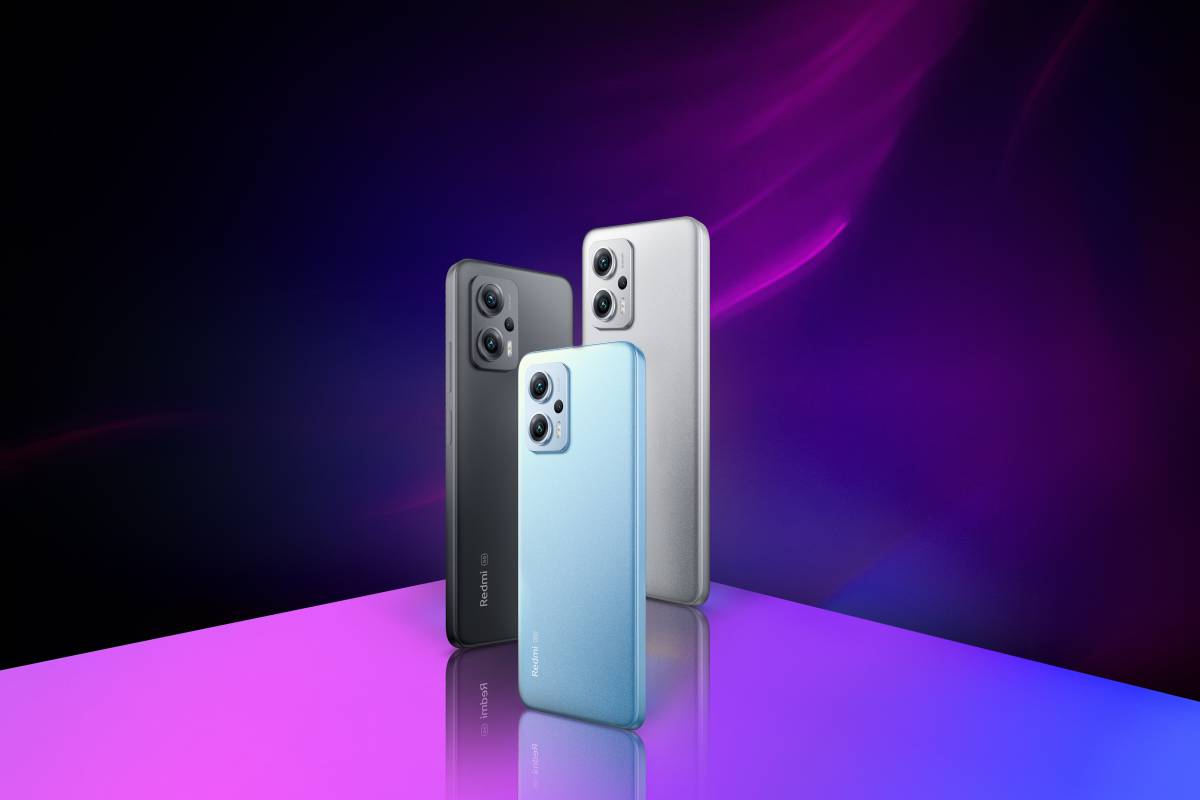
Redmi, a successful spinoff brand of Xiaomi has launched two new products in India on Wednesday, including the Redmi K50i 5G and the Redmi Buds 3 Lite. Both the products are supposed to be in the affordable range. If you are a Redmi fan, these two new products are going to excite you a lot. The Redmi K50i is a fresh addition to the K series from Redmi after three years in India. Pair them with the affordable Redmi Buds 3 Lite, and you have got a party. Let's take a look at the specifications and price of both the products. Redmi K50i 5G Specifications IndiaThe Redmi K50i 5G comes with a 6.6-inch FHD+ liquid Field Fringe Switching (FFS) display. It supports Dolby Vision and 144Hz 7-stage adaptive refresh rate. There are dual-stereo speakers for terrific sound along with 3.5mm audio jack for using wired earphones. The Redmi K50i 5G has already been tested by Reliance Jio for its 5G capabilities. It comes with support for 12 5G bands, which is excellent. The Redmi K50i 5G is powered by the MediaTek Dimensity 8100 SoC, which is built on the 5nm process, coupled with up to 8GB of LPDDR5 RAM and 256GB of UFS 3.1 internal storage. The smartphone will run on MIUI 13 based on Android 12 out of the box. There's a triple-camera arrangement at the rear spearheaded by a 64MP primary sensor, 8MP ultra-wide-angle sensor, and a 2MP macro sensor. For selfies, the device comes with a 16MP sensor at the front. There's a 5080mAh battery with support for 67W fast charging. The charging brick worth Rs 1,999 is included inside the box. The device has Gorilla Glass 5 protection and also comes with an IP53 rating. Redmi Buds 3 Lite Specifications India
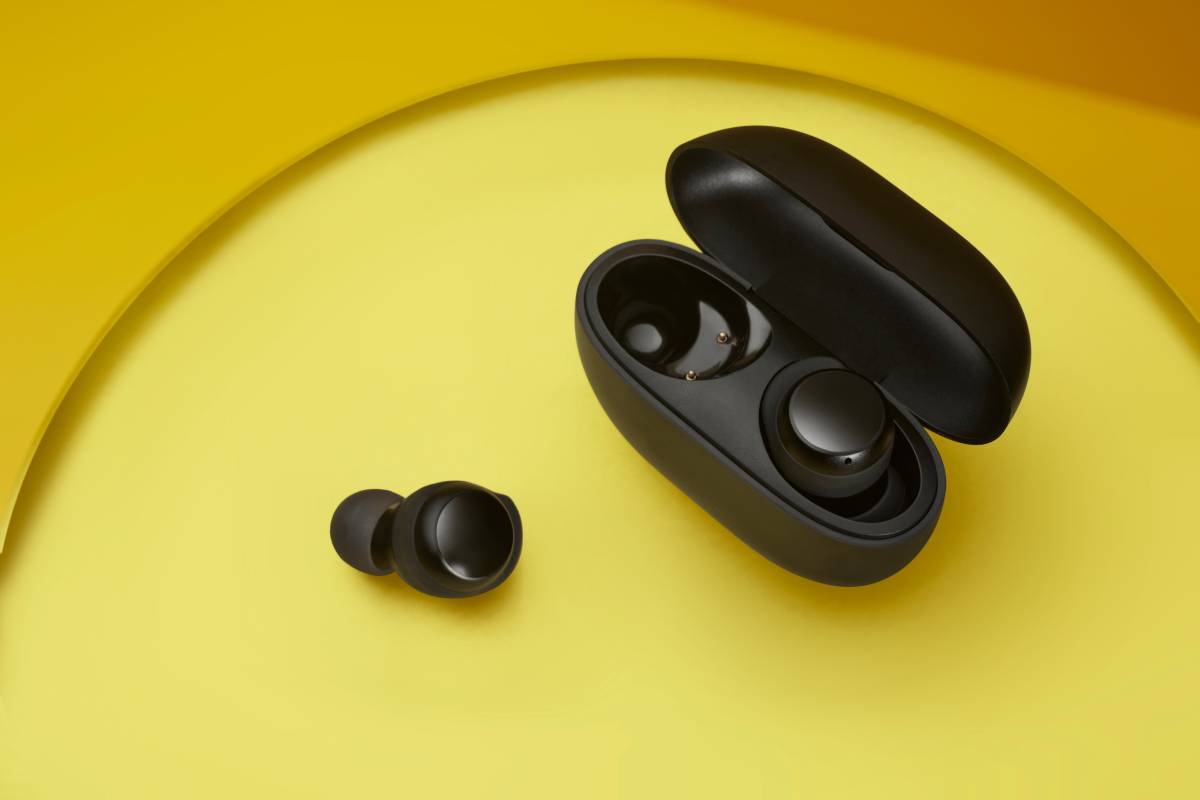
The Redmi Buds 3 Lite has launched in India, and they come with a 6mm dynamic driver, specially tuned by the Xiaomi Sound Lab to offer the best-in-class audio experience to consumers. The Redmi Buds 3 Lite are pocket-friendly TWS earphones weighing only at 35 grams. They support Bluetooth 5.2 connectivity and Environmental Noise Cancellation (ENC). Redmi said that the Redmi Buds 3 Lite could deliver up to 5 hours of listening time, and with the case, that limit goes up to 18 hours. These are IP54 rated and come with a USB Type-C port for facilitating charging. Redmi K50i 5G and Redmi Buds 3 Lite Price and Availability in IndiaThe Redmi K50i 5G is available in India in two price variants. The first variant comes with 6GB+128GB for Rs 25,999 and the second one comes with 8GB+256GB for Rs 28,999. It will be available in three colours – Quick Silver, Phantom Blue, and Stealth Black, starting July 23, 2022. For now, Redmi is offering an early bird offer on the devices where the 6GB+128GB variant will be available for Rs 20,999, and the 8GB+256GB variant will be available for Rs 23,999. But this early bird offer is only for ICICI Bank card holders. The Redmi Buds 3 Lite has launched for Rs 1,999 in India and will be available across Amazon, Mi Home and Mi's official website from July 31. The early bird offer for ICICI Bank card holders is applicable on this product as well, where the consumers will get a discount of Rs 500. |
| Vivo T1x at Very Affordable Price With Snapdragon 680 SoC Launched in India Posted: 20 Jul 2022 02:33 AM PDT
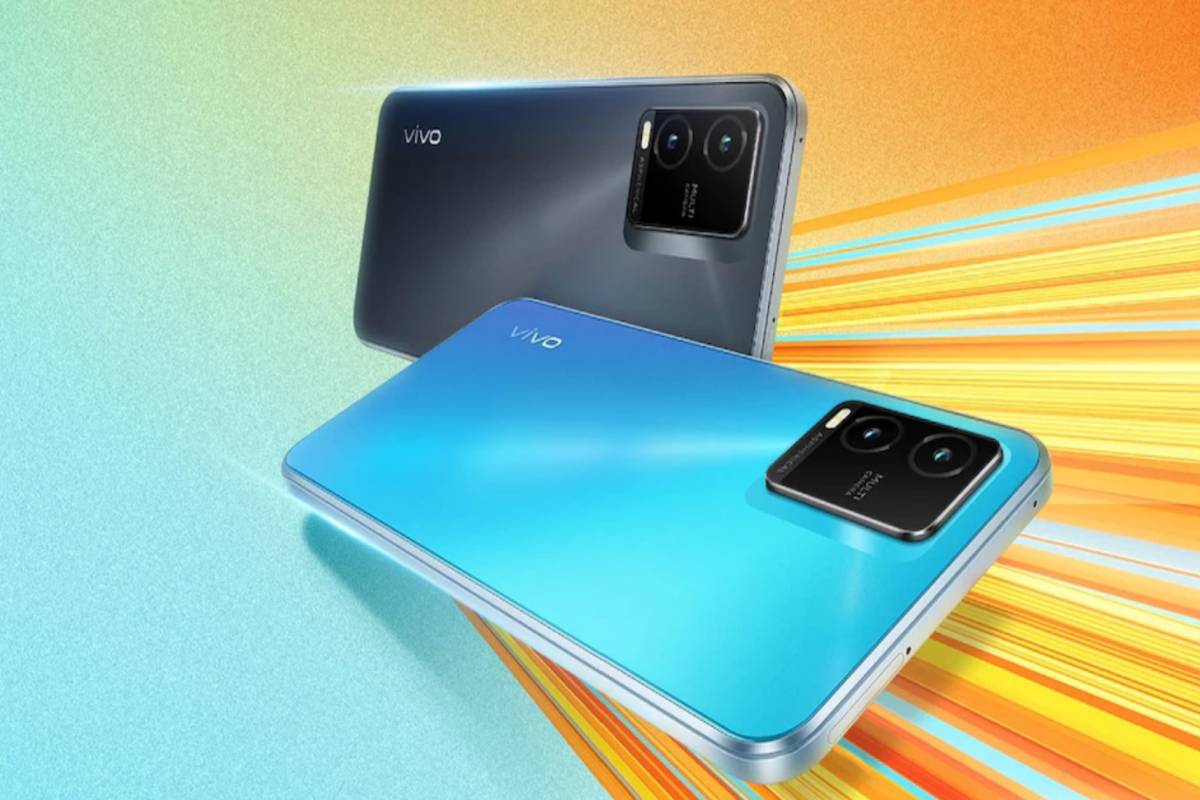
The newest model in Vivo’s budget line, the T1x, was introduced in India on Wednesday. The Snapdragon 680 SoC powers the new Vivo T-series phone, which has a waterdrop-style notch display with a 90Hz refresh rate. Dual rear cameras on the Vivo T1X are highlighted by a 50MP primary sensor. It is powered by a 5,000mAh battery and supports 18W rapid charging. The RAM may be expanded up to 8GB using additional internal storage. The device was first unveiled in Malaysia in April, while the MediaTek Dimensity 900 SoC-equipped Vivo T1x 5G model went on sale in China in October of the same year. Vivo T1x SpecificationsThe Funtouch OS 12, based on the Android 12 platform, powers the dual-SIM (Nano) Vivo T1x. It has a 6.58-inch full-HD+ (1,080×2,408 pixels) LCD display with a refresh rate of 90Hz, a screen-to-body ratio of 90.6%, and 96% NTSC colour spectrum coverage. The Qualcomm Snapdragon 680 SoC, which features an octa-core 6nm architecture, is paired with an Adreno GPU 610 and up to 6GB of LPDDR4x RAM. As previously indicated, the additional built-in storage allows the RAM to be increased to 8GB. On the new handset, Vivo has included a 4-layer cooling system for lag-free gaming. The Vivo T1x has two rear cameras, one with a dual 50MP primary sensor and f/1.8 and the other with a 2MP secondary sensor and f/2.4 lens. It boasts an 8-megapixel front camera with an f/1.8 lens for selfies and video calls. A few of the features supported by the camera unit are super HDR, multilayer portrait, slow-motion, panoramic, live photo, and super night mode. Up to 128GB of UFS 2.2 onboard storage are available on the Vivo T1x, and an additional microSD card up to 1TB may be added through a specific slot. The new smartphone has 4G LTE, Wi-Fi, Bluetooth v5.0, GPS, Glonass, OTG, FM radio, and a USB Type-C connection as connectivity options. The performance of the phone is further improved by Multi-Turbo 5.0. An accelerometer, ambient light sensor, e-compass, gyroscope, and proximity sensor are among the sensors on board. The phone also supports face unlock for authentication and has a side-mounted fingerprint sensor. The 5,000mAh battery in the Vivo T1x supports 18W fast charging. The battery supports the ability to reverse charge. The phone weighs 182 grammes and has dimensions of 164.26 x 76.08 x 8mm. Vivo T1x Price And AvailabilityThe base variant of the Vivo T1x with 4GB RAM and 64GB of storage costs Rs 11,999 in India. The entry-level 4GB RAM + 128GB storage model costs Rs 12,999, while the top-tier 6GB RAM + 128GB storage model is priced at Rs 14,999. It is available in the colours Gravity Black and Space Blue. Starting July 27, the phone will be offered for purchase on Flipkart. Customers who pay for the Vivo T1x on Flipkart with HDFC Bank cards are eligible for an immediate discount of Rs 1000. The e-commerce site also provides cashback of up to 5% on purchases made using the Flipkart Axis Bank Card. Recall that the 4GB RAM + 64GB edition of the Vivo T1x 5G cost MYR 649 (approximately Rs 11,400) when it first arrived in Malaysia. |
| OTT Viewership Is Dominated by Hindi Despite a Regional Effort Posted: 20 Jul 2022 01:06 AM PDT
According to platform executives and industry experts, the drive by video streaming platforms for regional language programming has not reduced viewership for Hindi, which continues to be the most popular language in the country as of now. In terms of overall viewership, including purchased films, web originals, and catch-up television, Hindi continues to hold a 50% share, followed by other Indian languages with a 35% share and foreign material with a 15% share. When just web originals are taken into account, the contribution of other languages decreases even more because most platforms are still experimenting with localised content. Executives predicted that as the market grows, the primary language used in the nation will continue to grow in volume. Hindi continues to be the most widely used language for content consumption. Many categories will develop in regional languages as the market as a whole grows, but the volume will be led by the main language due to the size of the market it serves, according to Ferzad Palia, head of Voot Select, Voot Kids, and international business at Viacom18. Because of platform initiatives for dubbing and subtitling, a lot of content that was originally created in Hindi is also watched in other languages, Palia noted. While percentages vary amongst services, he added that for some, Hindi could account for as much as 60 to 65% of utilisation. The viewership will be split roughly 50% Hindi, 35% other Indian languages combined, and 15% worldwide for all material, including theatrical movies and catch-up TV. A lot of this content is watched in dubbed versions in Indian languages. According to Shailesh Kapoor, CEO and founder of the media consulting firm Ormax, dubbing has enabled the consumption of cross-language content and will continue to be important in the years to come because audiences, particularly those who watch SVoD (subscription video-on-demand) content, are now completely accustomed to the concept of dubbed content. The proportion of south and other languages to overall viewing, however, declines when it comes to original content created for OTT, as there are fewer web series in other Indian languages than Hindi. According to Vibhu Agarwal, CEO and founder of video streaming startup Ullu, not all hope is gone for Hindi language programming. While some southern films, like RRR and KGF: Chapter 2, have been huge successes, many others have failed. According to MX Media’s chief operating officer Nikhil Gandhi, regional programming dubbed in Hindi has increased, but Hindi continues to lead in terms of viewership and watch duration on its video streaming service MX Player. Having said that, there has been a rise in the consumption of regional material over the past five years. This applies not only to southern India but also to developing languages like Bhojpuri, Punjabi, and Gujarati, as well as markets in West Bengal and Maharashtra. Thus, the volume of supply of content from various regional marketplaces affects the total content ecosystem in terms of watch time or audience, according to Gandhi. As per a Livemint report, Sidharth Parashar, president of investments and pricing at media agency GroupM India, concurred that Hindi content continues to dominate and would do so as long as some important OTTs are able to take advantage of their broadcast network assets. The regionals would also grow more dominant in the future, according to Parashar, who noted the noticeable emergence of localised and regional OTT platforms, concentrated content strategy, increasing investments in dubbing, and legal rules for subtitling. |
| 5G AIoT Market to Grow Exponentially, Market to Catch Momentum in 2023 Posted: 20 Jul 2022 12:40 AM PDT
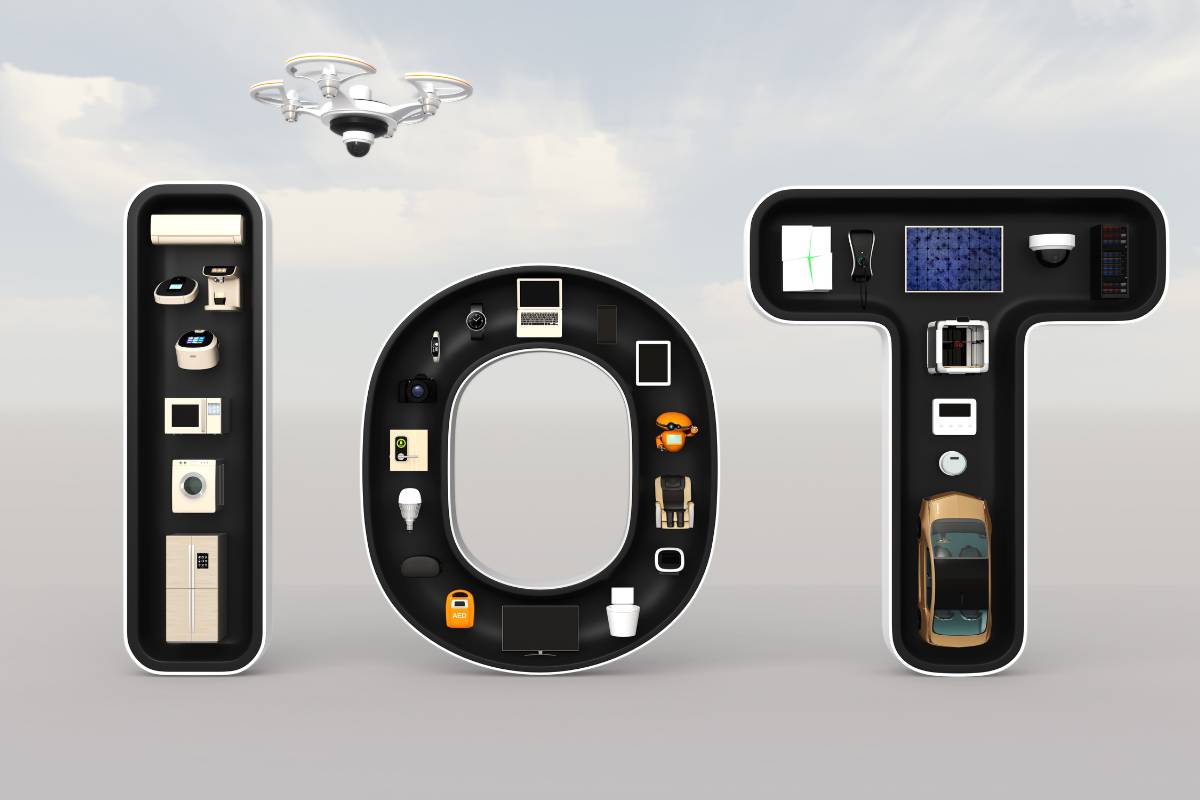
Artificial Intelligence (AI) coupled with IoT (Internet-of-Things) is helping with automated real-time data analysis and decision making. Both together are called AIoT. There are multiple benefits of AIoT, such as scalability, improved operational efficiency, better risk management, downtime prevention, and enhanced products and services. But to drive the growth of AIoT, the key ingredient or element is 5G, said a Counterpoint Research report. Here’s what is possible with 5G. How 5G AIoT Can be Leveraged5G AIoT can be leveraged for the following:
Because 5G can bring in high bandwidth and super low latency, it can enable real-time data analysis. But the key challenges right now remain – a) lack of 5G infrastructure; and b) security – both on a hardware and software level, said Counterpoint Research. Qualcomm is the Leading Vendor in the AIoT Chip SpaceIn the 5G AIoT space, Counterpoint said that Qualcomm is the largest vendor. Qualcomm has launched the world's first AI-supported 5G modem Snapdragon X70. In the 5G AIoT chips, Qualcomm's offerings are broader than competitors, including MediaTek, Unisoc, Thundercomm, and more. 5G spectrum auction in India is just six days away now. Post the spectrum auction, the Department of Telecommunications (DoT) will try to allocate the spectrum to the telcos as fast as possible so that they can launch 5G networks on or before August 15, 2022. 5G AIoT is just one facet of what 5G can enable for the world and India. AIoT isn't possible at scale without the power of 5G networks. Otherwise, the data wouldn't be real-time, and multiple inefficiencies will be discovered. As per Counterpoint Research, the shipments of 5G AIoT-supported modules will grow at a CAGR of 84% between 2022 and 2030. Further, over 60% of the 5G IoT modules shipped by 2030 will have AI capabilities for real-time decision-making. |
| Viavi Will Showcase Test Solutions for Accelerating Fibre Rollout in India Posted: 19 Jul 2022 11:15 PM PDT
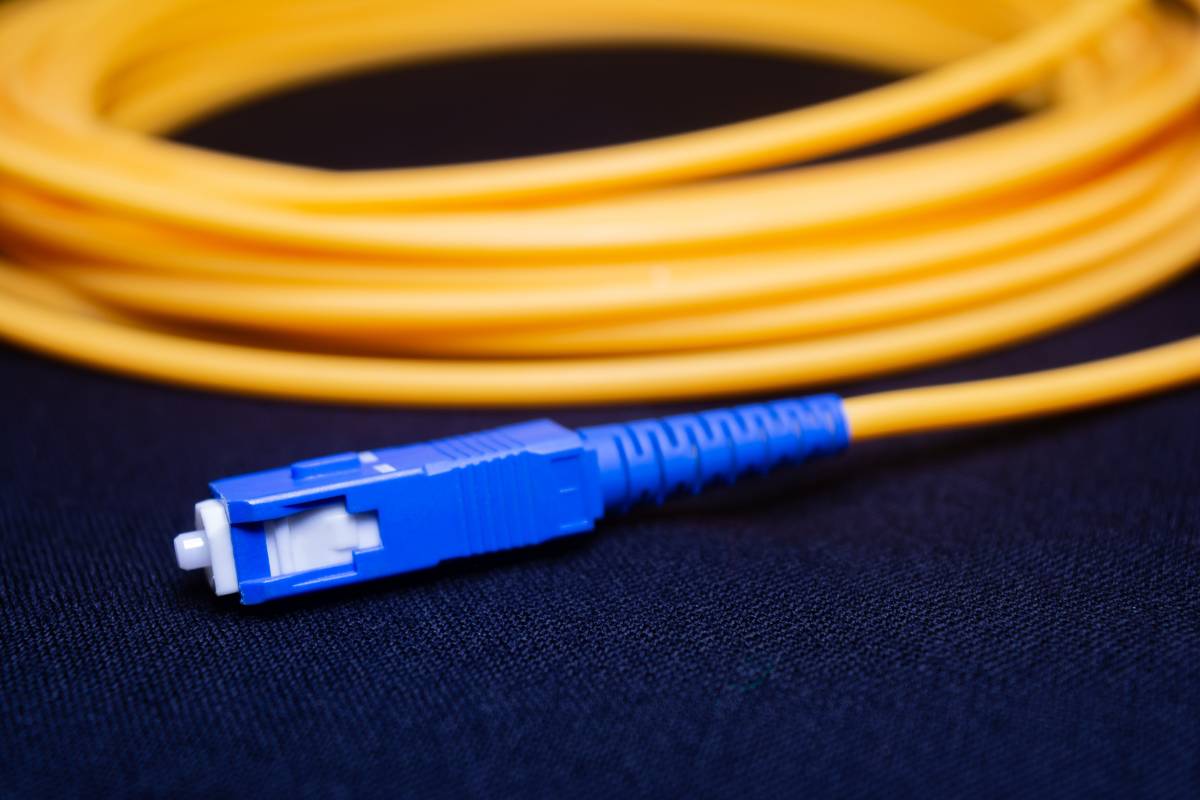
Viavi Solutions, a global provider of network test, monitoring and assurance solutions for communications, has announced that it will be demonstrating its portfolio of fibre test systems at the 12th Annual Conference of OFC Networks in India. The Indian government has an ambitious goal of connecting 6,00,000 villages with optical fibre by 2023. Viavi's solutions are going to help the government's ambitious goal of rolling out fibre fast. Viavi will showcase the FiberComplete PRO, which was recently launched and is the first single test port solution which fully automates all the fibre qualification tests required for the construction and certification of any type of fibre optic network. Viavi claimed that this fibre test solution could replace six instruments. Viavi team members will also deliver information on how fibre testing can help with speeding up 5G and broadband rollout at scale during the speaking session "Essential Fiber Tests Enabling 5G and Broadband." "This is an exciting time for India as we progress toward full fiber," said Monojit Samaddar, Country Director, VIAVI Solutions. "It is hard to understate the positive impact that widespread, high-speed, reliable internet will have on both urban populations and rural communities. But we have to get this right. That is why we are at this show, bringing both our expertise and our portfolio of solutions that have benefitted other markets such as the USA, UK and Italy." Event DetailsThe event is scheduled for July 20 and July 21, 2022, at The Leela Ambience, Gurugram. The Viavi portfolio will be on display here on both days. India does need more innovative solutions to help with the faster rollout of fibre across the country. Otherwise, the Indian government's ambitious goal might not come true. With 5G so near us, the need for fibre just goes up. Telcos have been trying to fiberise as many towers as possible. |
| Smartphones Mostly Come with 6-inch Screen Size and More Now Posted: 19 Jul 2022 09:33 PM PDT
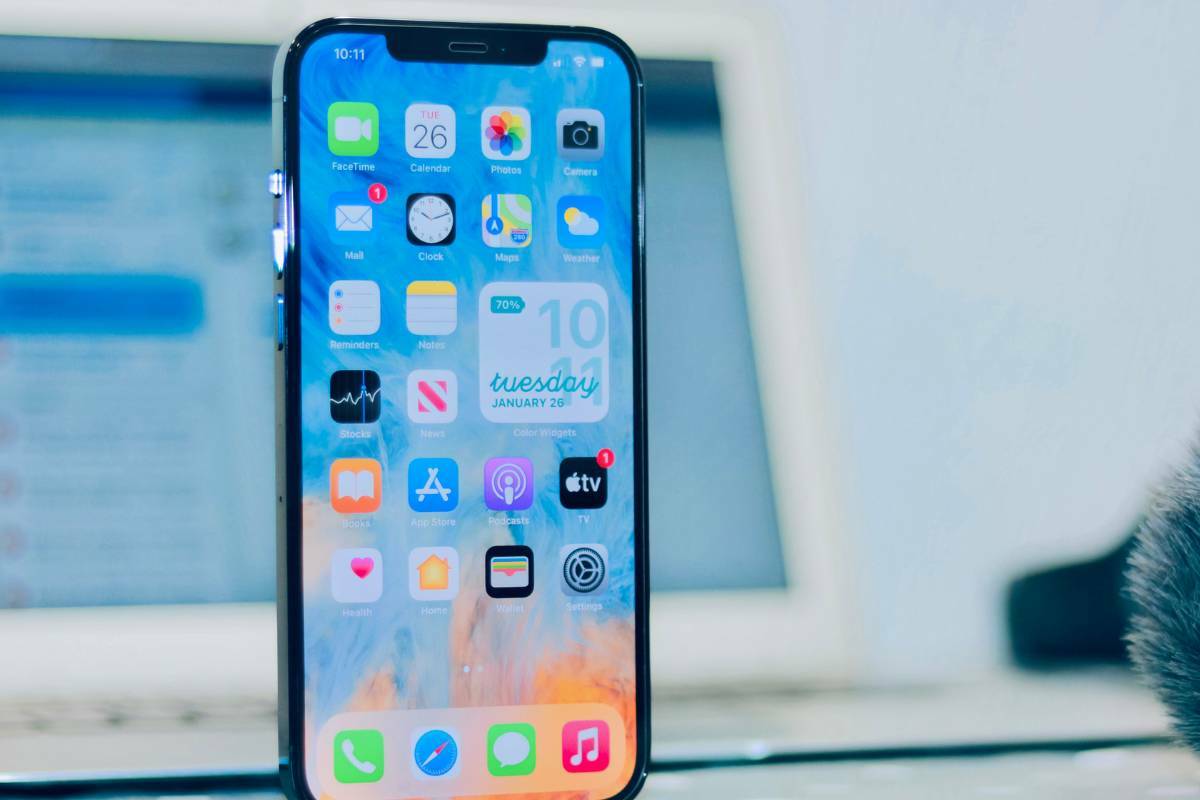
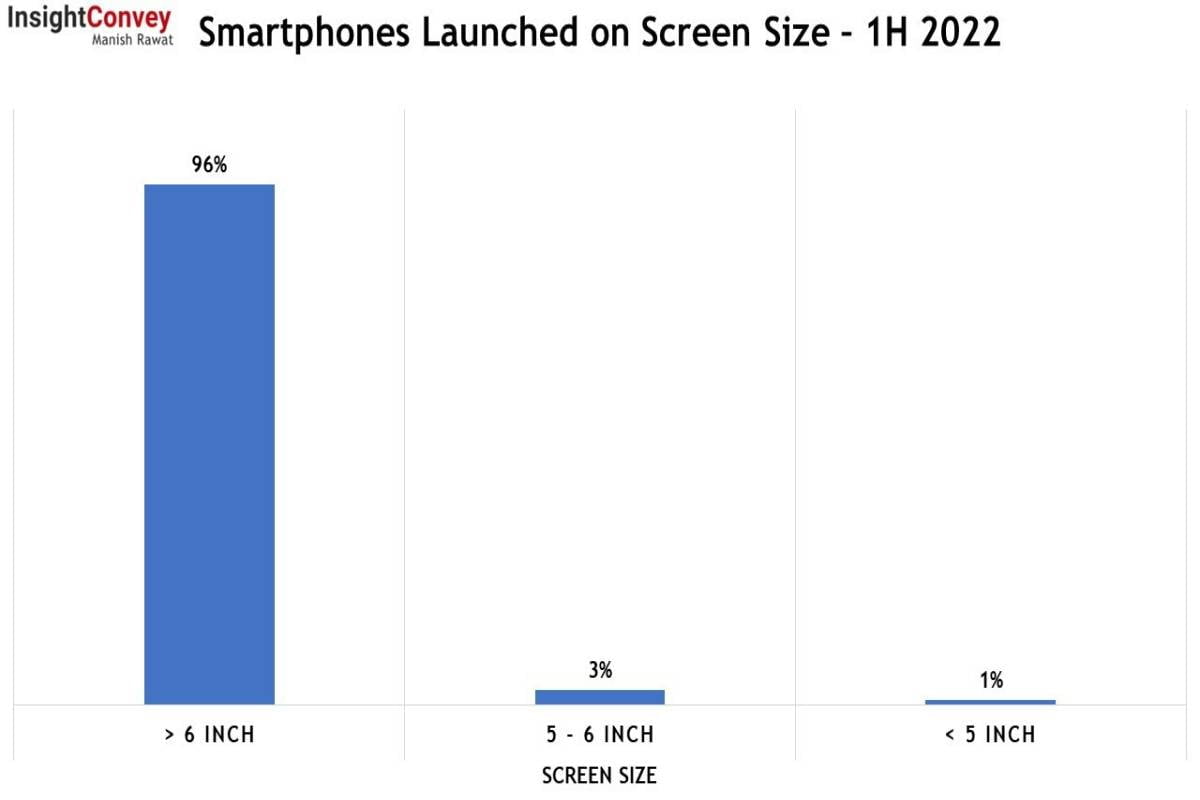
In 1H 2022, 96% of the smartphones launched in India have larger screens than 6-inches. Increasingly, companies are trying to differentiate their products using different specifications, and one new way to determine is by increasing the screen size of the display and increasing the penetration in the market. In the current market, it is common to see all brands launch smartphones with screens larger than 6-inches.
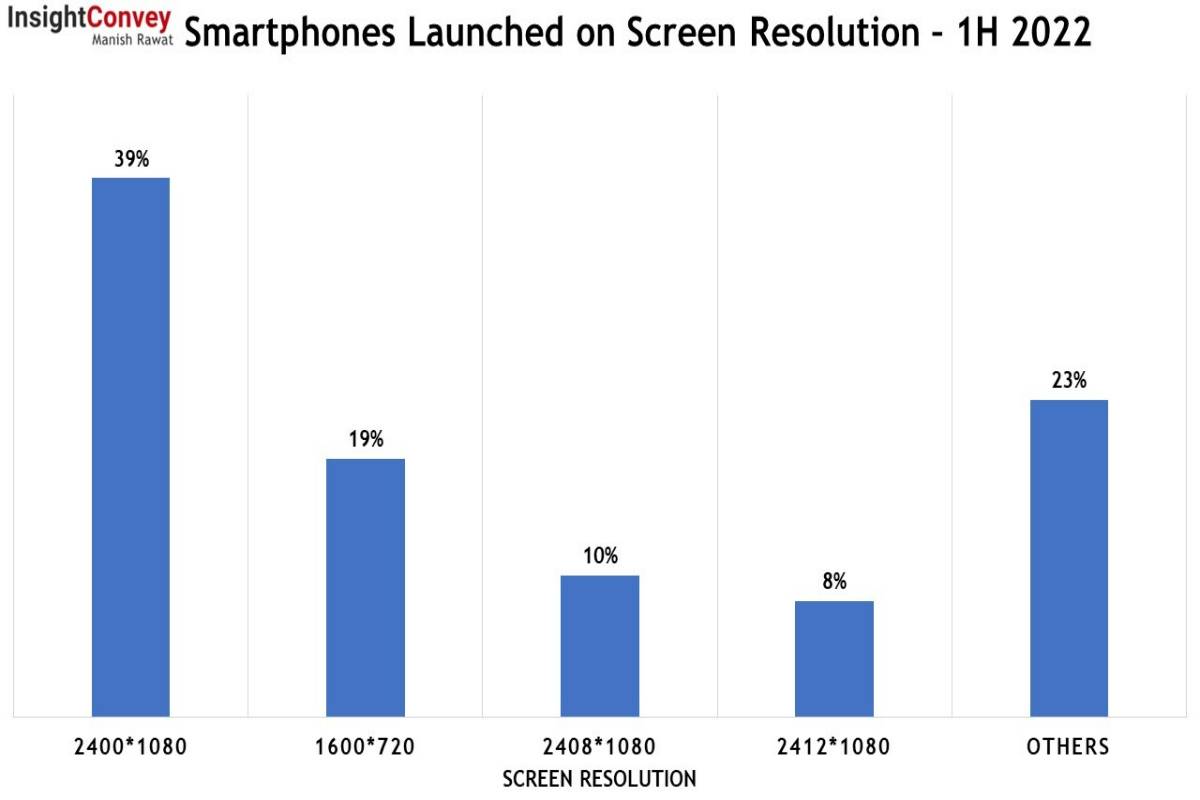
Smartphones offer to consumers more than simply essential functions such as making and receiving phone calls and sending texts; the consumers’ appetite to use smartphones is not only limited to making and receiving calls and messages but also for entertainment and gaming have resulted in smartphones becoming the go-to device for almost everything today and for achieving those tasks larger display is now necessary. OEMs are continuously rethinking and improving the displays of smartphones to serve consumers with an improved experience and trying to reach a larger effective viewing area without hindering one-handed operation. Since larger displays are driving consumer demand, smartphone manufacturers adopt larger displays. Asus, itel, Apple and Nokia Launched Smartphones Below 6-inch Screen SizeIn January, all the smartphones launched had above 6-inch screen size. In February, only Asus and itel were the two brands that launched smartphones of screen sizes between 5-6 inches. In March, Apple and Nokia were the two brands that launched smartphones under 6-inch screen sizes. Apple launched a smartphone of less than 5-inch, and Nokia is the other one who has launched a smartphone of screen size between 5-6 inches. In April, all the Brands launched their smartphones with above 6-inch screen size. Only five brands launched smartphones in May; all launched smartphones are above 6-inch Screen size. In June, the last month of the year’s first half, only eight smartphones were launched, all of which were above a 6-inch screen. In the premium category (above Rs 50k), brands such as Apple, Samsung, OnePlus, iQOO, Xiaomi, and Vivo launched smartphones, and all are above 6-inch screen size, except Apple, which launched a smartphone with a screen size less than 5-inch. With smartphones getting larger, most users prefer watching HD videos, playing graphic-intensive games, browsing the website with interactive UI, and doing their daily work on mobile apps; this generates the need for high-quality resolutions. In 1H 2022, the OEMs rapidly used FHD+(2400*1080) display resolution, and 39% of smartphones were launched with it.
In 1H 2022, Samsung launched 16% of smartphones with 2400*1080 resolution, followed by Realme and Motorola with 11% each. Vivo mainly uses 1600*720 and 2408*1080 resolution in smartphones with 23% and 33%, respectively. Realme is the one who used 2412*1080 in 56% of smartphones launched in 1H 2022. |
| Space Based Mobile Network Services Not Far Now Posted: 19 Jul 2022 08:09 PM PDT
If you are someone who has faced network connectivity issues on your smartphone, it is because the mobile networks have a limited reach. Since fibre deployment in every single part of the world is difficult, there will always be limitations in the connectivity for consumers if they depend on terrestrial networks for services. However, with space-based mobile network services, it would completely change. Satellite-based 4G/5G networks will be able to reach the remotest parts of the world without any issues. Back in 2020, Vodafone and AST SpaceMobile had unveiled plans for launching the first phase of space-based commercial mobile communications services in 2023. The aim of the partnership between both companies was to fill coverage gaps for enabling billions of users across the globe to get internet. Vodafone had partnered with AST SpaceMobile because the latter was in a unique position to deliver universal mobile coverage in rural areas of Africa, Europe and more. Over 49 countries are planned to be covered with the space-based mobile network of AST SpaceMobile. The Week of August 15, 2022, Will be a Special Date for These CompaniesAST SpaceMobile and Vodafone are focused on the week of August 15, 2022. It is the expected time frame for when the first BlueWalker 3 test satellite will be launched. There's a possibility of the date or timeframe of the launch changing because of the factors including but not limited to final integration, final testing, ground transport, timely readiness and more. AST SpaceMobile has been planning to build a satellite constellation which aims to directly connect to cell phones around the globe. Major markets where internet and mobile connectivity hasn't been reached yet will benefit from this. Vodafone will help AST SpaceMobile with integration testing. AST SpaceMobile has invested around $85 million USD in the development of the satellite, and so far, over 800 ground tests have been completed by the engineers on the BlueWalker 3. |
| Reliance Jio Prepaid Packs Termed Value by the Company Posted: 19 Jul 2022 06:28 PM PDT
Reliance Jio is currently India's number one telecom operator because of the subscriber market share it has been able to achieve. With Jio, one thing is for certain – affordable tariffs. Affordable in the context of more pocket friendly than what the other private telcos are offering. But in a standalone manner, even Jio's prepaid plans have become quite expensive. If you are looking for a prepaid plan which is full of 'Value', here are some plans you should take a look at. Jio itself has termed these plans under its 'Value' category. Reliance Jio Prepaid Plans Which are Affordable and Provide Value to ConsumersReliance Jio offers three prepaid plans under this category. These three plans cost Rs 155, Rs 395, and Rs 1559. All of the three plans offer very less data but come with decent validity. Let's take a look at them one by one. Reliance Jio's Rs 155 prepaid plan comes with 2GB of lump-sum data with a validity of 28 days. This plan offers users a total of 300 SMS along with unlimited voice calling. Jio apps subscription at no additional cost is included. The second plan on the list is the Rs 395 plan. With this one, users get 6GB of data at a high-speed post which the speed reduces to 64 Kbps. Users also get unlimited voice calling and a total of 1000 SMS. This plan comes with a total validity of 84 days, along with a free subscription to the Jio apps. If you want to go for a very long-term plan such as the mentioned above, you can go for the Rs 1559 prepaid plan. This plan comes with a total validity of 336 days and offers users 24GB of data at a high-speed post which the speed drops to 64 Kbps. There is unlimited voice calling as well as 3600 SMS. Jio apps are bundled with this plan as well. The Jio apps that we are talking about include JioTV, JioCinema, JioSecurity, and JioCloud. |
| Vodafone Idea Board to Meet on July 22, 2022, Check Why Posted: 19 Jul 2022 08:03 AM PDT
Vodafone Idea (Vi), the third-largest telecom operator, notified the stock exchanges on Tuesday about a board meeting scheduled for July 22, 2022. Vi said that the objective of the meeting is to decide the nature of the instrument (equity shares or warrants) that will be issued to the promoter entity for raising funds. The promoter entity in concern here is Euro Pacific Securities Ltd is owned by the Vodafone Group UK, which is the largest promoter in Vodafone Idea (Vi). In June 2022, Vodafone Idea informed that it is looking to raise Rs 436.21 crore from its promoter Vodafone Group. The company received the permission of the shareholders to go ahead with the fundraising on July 16, 2022. The telco hasn’t specified what it will do with the exact amount as it is not big enough to bring a positive impact on the business immediately. Vodafone Idea has been trying to raise funds from external investors as well. But the telco has largely been unable to do that because of its financials, and now the government equity conversion is also pending. The telco expects to raise money post the conversion of equity for the government in the equity. In the near future, the Indian government will be the biggest shareholder in the company. |
| Airtel, Jio and Vodafone Idea: Band Wise Spectrum Expiry Analysis Posted: 19 Jul 2022 07:58 AM PDT
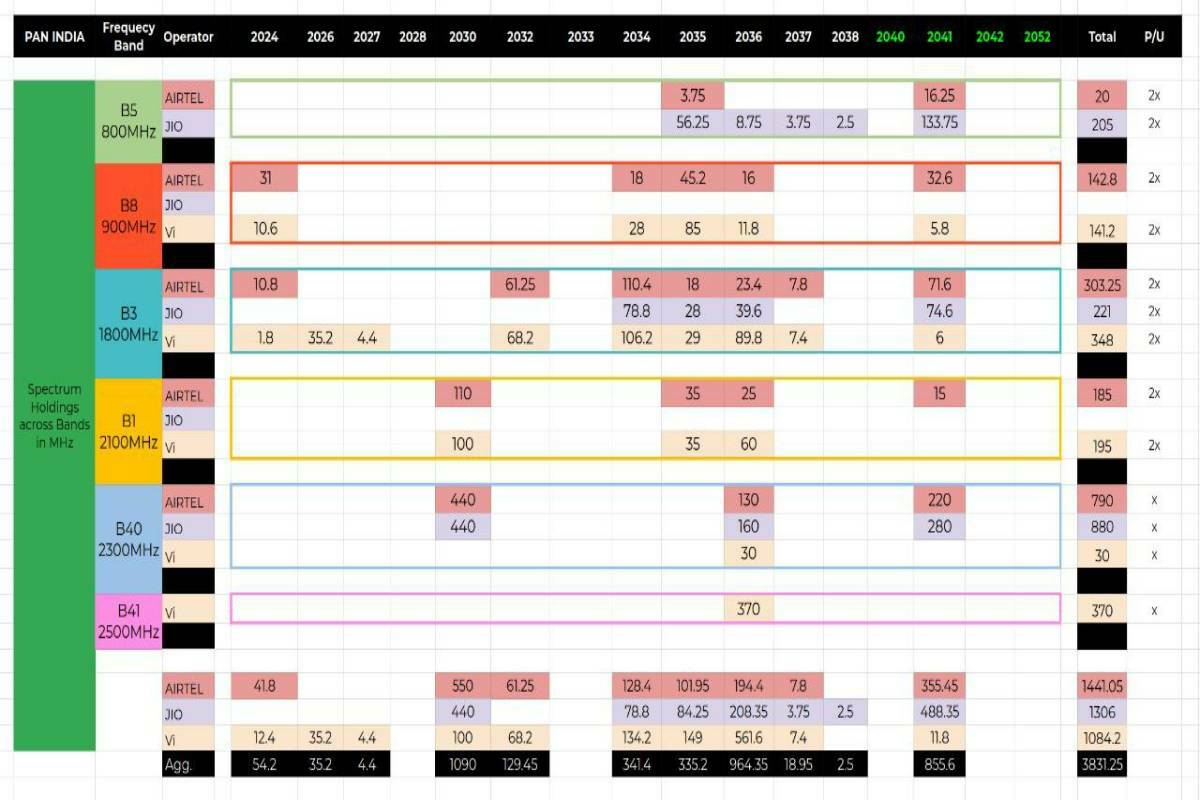
The spectrum expiry timelines are equally essential as spectrum holdings as telcos need to prepare for upcoming auctions, plan investments, finetune network (although it is a continuous process) and much more so that any change will not impact the consumer experience. In this story, we will analyse the aggregate quantum of the spectrum (across all the bands and circles) that is going to expire along with expiry years for Airtel, Jio and Vodafone Idea on a high level. In which year, what quantum of the spectrum will be coming to expiry forms the base of this story. Technically, the quantum of spectrum expiring in a particular band, spectrum kind, the quantum of spectrum and technology deployed, and real-case coverage challenges can be some significant factors when considering the expiry aspects. Before we proceed further, as spectrum is a complicated topic, you need to be aware of a few basics to understand further, and we have put forward some pointers for the same. Bands in which Telcos Operate as of Today:Airtel – 800 MHz, 900 MHz, 1800 MHz, 2100 MHz, and 2300 MHz Bands. Jio – 800 MHz, 1800 MHz, and 2300 MHz Bands. Vodafone Idea – 900 MHz, 1800 MHz, 2100 MHz, 2300 MHz, and 2500 MHz Bands. FDD Bands (2x) : 800 MHz, 900 MHz, 1800 MHz, 2100 MHz. TDD Bands (x) : 2300 MHz, 2500 MHz. For now, understand that the spectrum is paired (2x) in FDD Bands and unpaired (1x) in TDD Bands. So, the values depend on the presentation and convention used to put forward the FDD band spectrum numbers. For example: If a telco holds 5 MHz of spectrum in the 900 MHz Band, technically, it means 5 MHz in the uplink and 5 MHz in the downlink and amounts to 10 MHz total spectrum holdings that are considered even for spectrum cap references. If a telco holds 10 MHz of spectrum in the 2300 MHz Band, technically as well, the spectrum holdings amount to 10 MHz as it is unpaired. We shall discuss the paired and unpaired aspects in a separate story. In this story, the general convention of presentation of spectrum numbers is followed. Hence holdings in the FDD bands are just represented as 5 MHz if we consider the above example. So, the aggregate value for the above example is presented as 5 (paired) + 10 (unpaired) = 15 MHz. So, please be thoughtful about the spectrum and aggregated values presented. Band Wise Spectrum Holdings Expiry Timeline:
Band 800: This band was once popularly known as the CDMA band in India. Coming to the present, Jio holds a major share of the spectrum in this band and is its only sub-1 GHz carrier band. Airtel holds spectrum in this band but is confined only to 4 circles with 5 MHz in each circle. Airtel can offer 4G Data and voice services using this spectrum holding. A significant quantum of Airtel’s spectrum holdings, i.e. 16.25 MHz, are set to expire in the year 2041, while a significant portion of Jio’s spectrum holdings in this band is set to expire in the years 2035 and 2041. Band 900: This band was once a gold standard for 2G voice and coverage, and subsequently, telcos used the refarmed band for offering 4G to improve coverage and indoor experience. Airtel and Vodafone Idea hold a major share of the spectrum in this band. Airtel holds 142.8 MHz, whereas Vodafone Idea holds 141.2 MHz of spectrum in this band. Major holdings of spectrum in this band by Vodafone Idea and Airtel are set to expire in the years 2034 and 2035. Band 1800: This band was once a standard for 2.75G – EDGE data speeds in the 2G era. However, it is now refarmed as a band that supports a mixture of coverage and capacity for 4G services. Vodafone Idea (348 MHz) and Airtel ( 303.25 MHz) hold a major share of the spectrum in this band, followed by Jio. 2032, 2034, 2036 and 2041 are the years when significant portions of the spectrum for all the three telcos will be expiring. Band 2100: Traditionally known as the 3G carrier band in India, Airtel and Vodafone Idea hold a major quantum of the spectrum, i.e. 185 MHz and 195 MHz, respectively, in this band. The year 2030 is when a significant portion of the spectrum is set to expire for both airtel (110 MHz) and Vodafone Idea (100 MHz). Band 2300: Known as the gold standard band for 4G services. This band serves as the capacity band for delivering those massive data offerings after the 1800 MHz band. Jio leads with its spectrum holdings of 880 MHz in this band, followed by Airtel with 790 MHz of holdings. Vodafone Idea holds 30 MHz in this band, with 10 MHz each in its three leading circles. The year 2030 sets the stage for the start of the expiry of the spectrum in this band, followed by 2036 and 2041. Band 2500: Vodafone Idea is the only private telco to hold spectrum in this band for offering 4G services, and the entire spectrum, i.e. 370 MHz in this band, is set to expire in the year 2036. Aggregate Quantum of Spectrum Expiry Across all the Bands:Three years on focus for now: 2030, 2036 and 2041. Airtel: Airtel has 41.8 MHz spectrum, a mixture of liberalised and unliberailsed, set to expire near term in 2024, and the next expiry year falls in the year 2030, where a significant quantum of the spectrum, i.e. 550 MHz, is set to expire. The next significant quantum of spectrum expiry happens in 2034, followed by 2035 and 2036, when 194.4 MHz of the spectrum is set to expire. In the year 2041, 355.45 MHz of the spectrum is set to expire. Jio: Jio has nothing to think about spectrum expiry until the year 2030, when a significant quantum of the spectrum, i.e. 440 MHz, is set to expire. Vodafone Idea: Vodafone Idea has 12.4 MHz of spectrum set to expire in 2024, followed by 35.2 MHz in 2026 and 4.4 MHz in 2027. The year 2030 is one significant year for Airtel and Jio for spectrum expiry, and for Vodafone Idea too, 100 MHz is set to expire in the same year. A major portion of Vodafone Idea’s spectrum holdings, i.e. 561.6 MHz, is set to expire in the year 2036. The image is self-explanatory. Care is taken to avoid any data discrepancy issues. Please report any errors in case found. For specific details such as spectrum expiry years, the quantum of the spectrum, and bands circle-wise, please refer to the Spectrum sheet. |
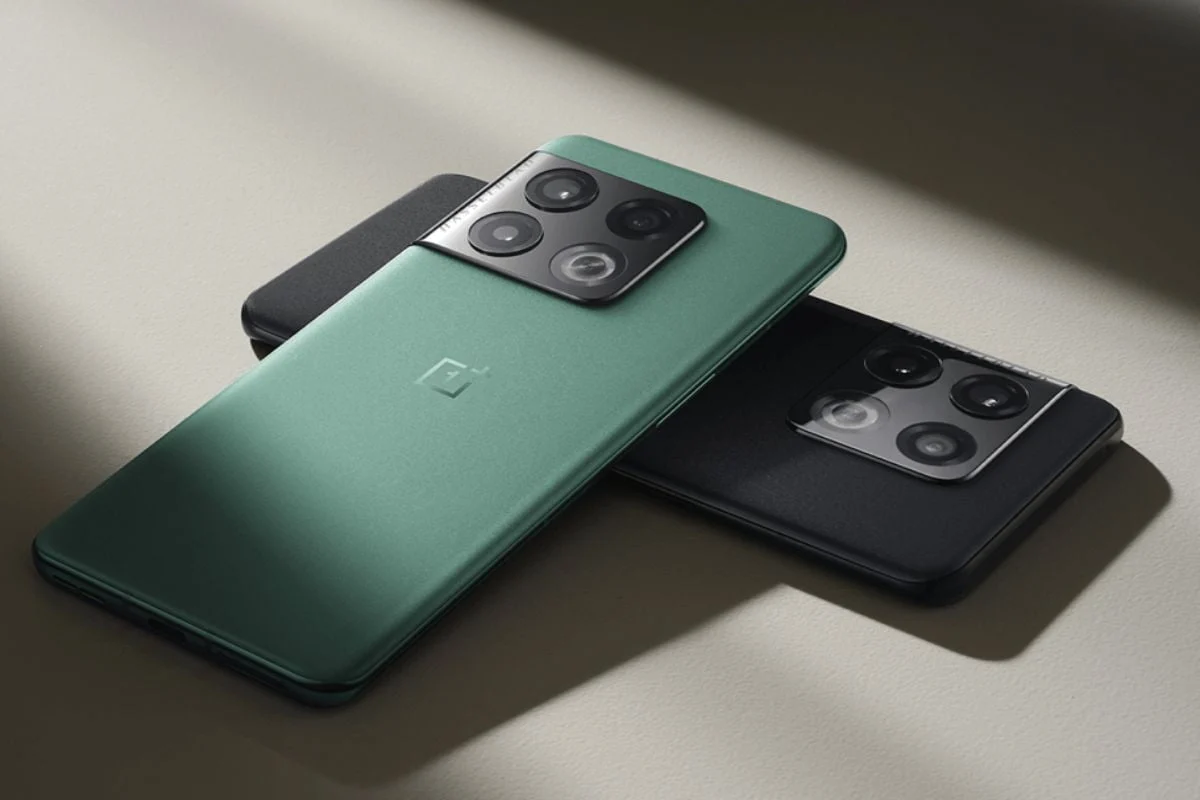
| OnePlus 10T 5G Launch Date in India Leaked Posted: 19 Jul 2022 07:47 AM PDT
OnePlus is getting ready to release the OnePlus 10T, a new flagship, in India. No information about the launch has been released by the company. But according to a recent claim, the next smartphone from OnePlus will debut in India on August 3. The OnePlus smartphone will reportedly be available in India in two colour variations: Jade green and Moonstone black. The Snapdragon 8+ Gen 1 CPU, up to 16GB of RAM, and a 4,800mAh battery with 150W charging capabilities are all anticipated to be included in the OnePlus 10T 5G. OnePlus 10T Details Which are Out in the Market Right NowThe OnePlus 10T 5G may arrive on the Indian market on August 3, according to tipster Passionategeekz and MobilesTalk. The smartphone’s global debut may occur on the same day as India; however, this is unknown at this time. The Chinese manufacturer has not yet released any formal information on the smartphone’s introduction. The source also claims that the OnePlus 10T 5G will be offered in two colour options: Moonstone black and Jade green. According to rumours, the Moonstone Black variation will only be offered in the 16GB RAM model; however, the Jade Green variant may also be offered in models with less storage. Amazon will be the place to buy the OnePlus smartphone. The OnePlus 10T 5G will cost Rs 49,999 ($627) for the base model, according to earlier sources. The newest Snapdragon 8+ Gen 1 SoC, together with up to 16GB of RAM and 512GB of storage, are expected to power the smartphone. A 4800mAh battery that might enable 150W rapid charging could serve as its backup. It may have a 50MP IMX766 primary camera, an 8MP ultrawide camera, and a 2MP macro sensor as far as cameras go. The gadget is anticipated to contain a 16MP front-facing camera for selfies and video chats. |




| You are subscribed to email updates from TelecomTalk. To stop receiving these emails, you may unsubscribe now. | Email delivery powered by Google |
| Google, 1600 Amphitheatre Parkway, Mountain View, CA 94043, United States | |


Comments
Post a Comment